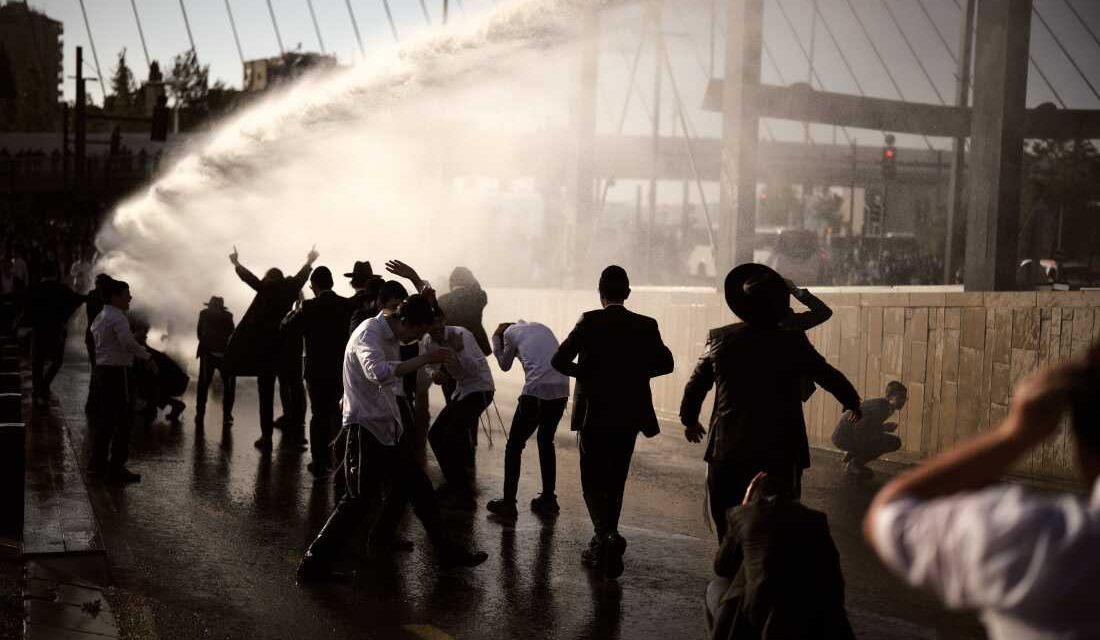
Tensions Rise in Israel’s Political Landscape
In Israel, Prime Minister Benjamin Netanyahu faces a critical moment as his governing coalition risks collapse. A significant ultra-Orthodox faction within the coalition demands the parliament’s dissolution. This development follows Netanyahu’s refusal to advance legislation exempting ultra-Orthodox Jewish Israelis from military service, preferring to address the issue post-elections. Media outlets suggest that new national elections could be called for early September.
Military Service Debate Intensifies
The exemption from military service for ultra-Orthodox Jews continues to stir public debate in Israel. Traditionally, most Jewish Israelis partake in compulsory military service. However, exceptions are made for ultra-Orthodox individuals prioritizing religious studies. The ongoing conflict in Gaza has heightened the demand for soldiers, increasing pressure on the ultra-Orthodox community to contribute to military efforts. Last year, Israel’s Supreme Court ordered the inclusion of ultra-Orthodox individuals in the draft. This has led Netanyahu’s ultra-Orthodox allies to push for new legislation protecting their community from conscription.
Upcoming Elections Could Change Leadership
A crucial vote on dissolving the parliament is imminent, potentially triggering new elections within three months. Israeli law mandates these elections to occur by October 27. Naftali Bennett, a former right-wing prime minister, emerges as a significant contender against Netanyahu. Bennett’s campaign is in alliance with centrist opposition leader Yair Lapid. Until a new government forms post-elections, Netanyahu would continue as acting prime minister, seeking another term.
 Voter Sentiment Against President Rises in Recent Poll
  Media Backlash Against Trump’s Press Exclusions
  U.S. Considers Belarus for Potash Purchases to Cut Fertilizer Costs
 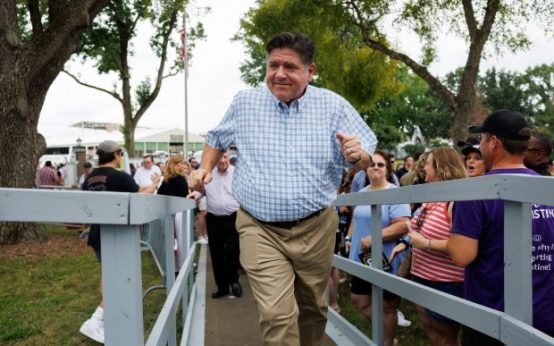 Gov. JB Pritzker Reveals Type 2 Diabetes Diagnosis and Weight Loss Journey
  Trump’s Media Ban Affects Event Coverage
 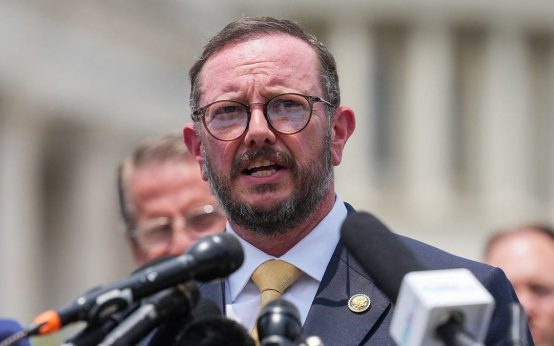 A Critical Perspective on National Spending and Healthcare from Representative Eric Burlison