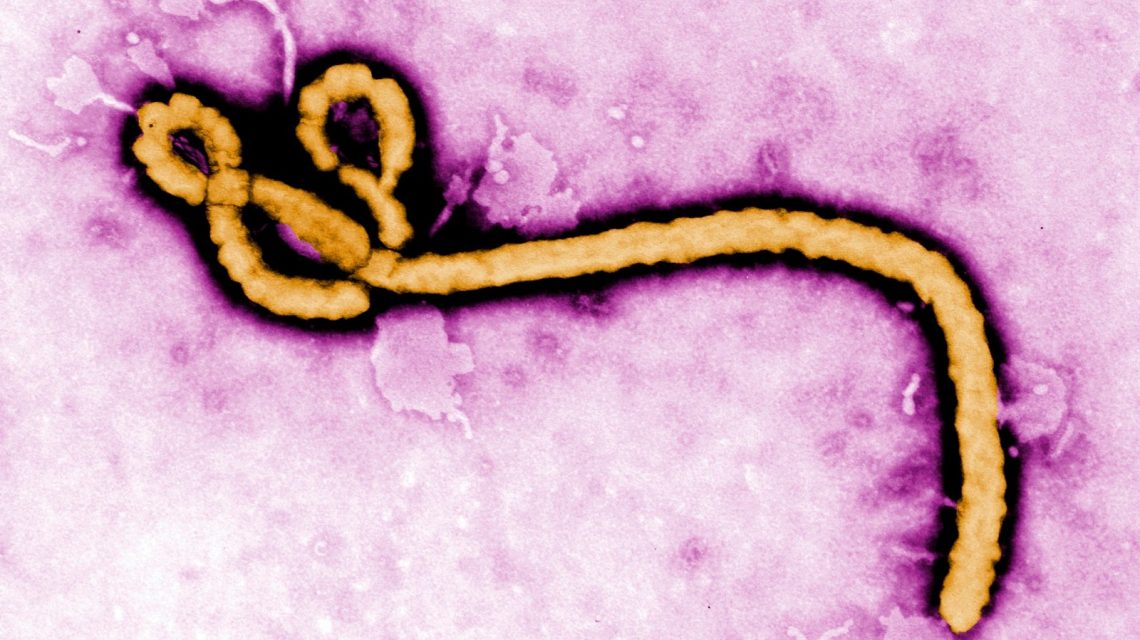
Ebola Exposure in the Democratic Republic of Congo and Uganda
Recent developments have seen several Americans potentially exposed to Ebola in the Democratic Republic of Congo (DRC) and Uganda. U.S. health officials have begun withdrawing affected individuals, following the declaration of a public health emergency of international concern by the World Health Organization (WHO). The Centers for Disease Control and Prevention (CDC) are involved in aiding those directly impacted.
To date, the Ebola outbreak in DRC has recorded 10 confirmed cases and 336 suspected cases, with 88 fatalities. Uganda has reported two confirmed cases and one death. While officials maintain that the risk to the American public is low, alarming fatality rates ranging from 25% to 50% highlight the importance of monitoring and response efforts.
This situation coincides with a recent hantavirus outbreak on the MV Hondius cruise ship, resulting in 41 Americans being monitored for potential exposure. Engagement with CDC remains ongoing to ensure proper management of these health concerns.
Ebola vs. Hantavirus: Differences in Transmission and Impact
The comparison between Ebola and hantavirus centers on transmission methods and outbreak potential. Ebola spreads through contact with bodily fluids, enabling more rapid outbreaks unless strict controls are imposed. Conversely, hantavirus generally spreads through contact with infected rodents, making human-to-human transmission extremely rare.
Here are the key distinctions:
- Ebola Transmission: Primarily spreads among humans via contact with infected bodily fluids.
- Hantavirus Transmission: Typically spread through contact with rodent excreta rather than direct human contact.
How Each Virus Spreads
Both viruses find transmission avenues through animal contact, with hantavirus frequently linking back to exposure to infected rodents, and Ebola typically spreading from contact with infected fruit bats or other wild animals. While Ebola can pass between humans through direct contact with infected fluids, documented cases of hantavirus human-to-human spread are limited.
Comparative Deadliness
The fatality rates for Ebola and hantavirus are typically high, with hantavirus cardiopulmonary syndrome presenting a 50% fatality rate, and Ebola varying between 25% to 90%, as per WHO data. Despite similar fatality ranges, Ebola’s faster transmission potential underlies its global threat perception.
Symptoms: A Comparative View
Both viruses present initially with fever, headaches, and muscle aches, but diverge as symptoms progress:
- Hantavirus Symptoms: Gastrointestinal issues, such as abdominal pain, nausea, and vomiting.
- Ebola Symptoms: Broader spectrum, including sore throat, diarrhea, rash, and impaired organ functions.
Onset of Symptoms
Hantavirus symptoms appear between one to eight weeks post-exposure, contrasting with Ebola’s quicker onset within two to 21 days, facilitating speedier identification.
Risk Assessment for Americans
The current Ebola outbreak poses a low risk to Americans, with no cases reported domestically from this outbreak. The CDC is actively engaged in monitoring and supporting regional responses, undertaking measures like contact tracing and traveler screening at borders. Authorities have issued travel warnings, emphasizing the necessity for vigilance and isolation if symptoms develop post-exposure.
Despite the low likelihood of a sustained outbreak in the U.S., experts highlight factors contributing to potential risks:
- Lack of specialized hospital resources to handle Ebola cases.
- Reduced confidence due to public health budget cuts.
- Increased exposure risk stemming from international travel.
Dr. Paul Spiegel underscores the significant experience in handling Ebola outbreaks within DRC and Uganda, supported by African CDC and U.S. efforts.
Global Attention on Ebola
Ebola outbreaks generate robust international focus due to their rapid spread potential, particularly in areas with insufficient healthcare systems. An outbreak’s containment necessitates contact tracing, isolation protocols, and protective measures to inhibit person-to-person transmission.
Cross-border risks are particularly concerning, with global health agencies monitoring travel-related spread possibilities.
Historical Ebola Outbreaks
Africa has witnessed various Ebola outbreaks over the past decades, predominantly confined to the continent, despite sporadic external cases. Previous outbreaks have underscored the need for vigilance and global coordination.
 Rising Antibiotic Resistance in Shigella Infections
  Parent’s Journey Through Their Child’s Congenital Cataract Diagnosis
  A Necessary Solution for Alzheimer’s Disease
  The Urgency of Treating Ectopic Pregnancies Safely
  Addressing Poverty in Medical Practice
  The Urgency of Addressing Ectopic Pregnancies