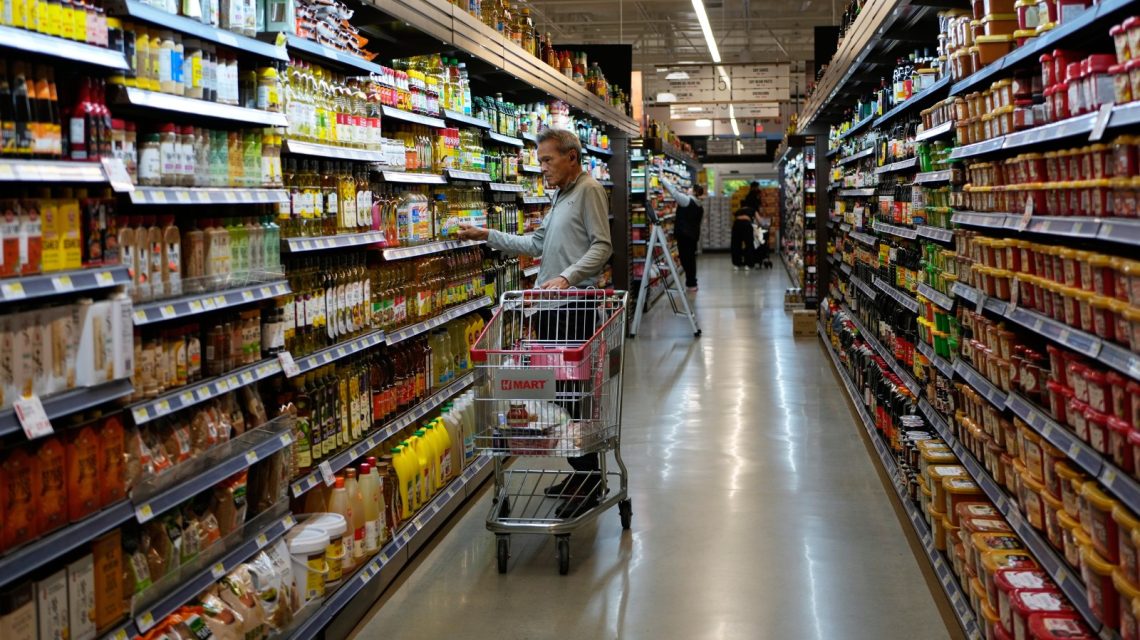
Impact of Oil Prices on Food Costs
The cost of food in the U.S. is expected to rise significantly, coinciding with increasing oil prices. Economist Justin Wolfers noted that while the current major concern is oil, food prices are becoming an important issue. Oil prices have surged over 50 percent since the conflict started on February 28, causing the national average gas price to exceed $4.50 for the first time since 2022.
Farmers face increased fertilizer and fuel costs, alongside tariffs and labor shortages. Experts warn the next major price shock may occur at supermarket checkouts rather than at gas stations.
Food Inflation Trends
The BLS Consumer Price Index shows inflation in food staples has been stressing American budgets even before the conflict. Headline inflation rose from 3.3 percent in March to 3.8 percent in April, the highest recorded during Donald Trump’s terms. The energy index increased 17.9 percent since April 2025, and the food index grew by 3.2 percent. Specifically, grocery costs rose by 0.7 percent in April, marking the largest single-month increase since early 2022 and a 2.9 percent annualized rise.
With the Strait of Hormuz nearly closed and shipping disrupted, further grocery price spikes are anticipated.
Consequences of Fertilizer Trade Disruptions
Approximately one-third of global seaborne fertilizer trade passes through the Hormuz Strait. Disruptions have pushed U.S. fertilizer prices up about 20 percent since the conflict began, as reported by the Green Markets Weekly North America Fertilizer Price Index. The World Bank forecasts a 31 percent global fertilizer price increase by 2026, with urea prices rising by 60 percent, straining farmers’ incomes and future crop yields.
U.S. farmers worry about affordability during the critical planting season. An April survey from the American Farm Bureau Federation shows 70 percent of farmers struggle to afford necessary fertilizers, compounded by a 46-percent hike in farm diesel costs. Several food groups have updated price forecasts from the Department of Agriculture for 2026, although some projections remain stable or reduced.
According to Chris Barrett from Cornell University, the conflict’s full impact on food prices is not yet evident. Effects will become noticeable by late summer and will peak through the fall and winter due to reduced harvests in countries like India, Thailand, and Vietnam. Barrett forecasts food price inflation to reach 11 percent by the end of 2026, impacting Americans striving to feed their families.
Pre-Conflict Price Movement and Future Concerns
Agricultural economists Ken Foster and Bernhard Dalheimer from Purdue University explained that forces impacting food prices were present before the war. War-induced price shocks are connected to increased fertilizer costs, but also result from higher energy prices, affecting trucks, packaging, and refrigeration.
Foster and Dalheimer emphasized that unlike short-term drought impacts, elevated energy costs affect all food categories simultaneously. While price effects are slow to appear, they recede even more slowly. Food affordability risks are growing, especially for low-income families, as supply chain pressures drive retail pricing.
Future Outlook
The ongoing conflict shows little sign of resolution, as both sides remain cautious of negotiation conditions. President Trump expressed no urgency in reaching an agreement with Tehran, but is open to discussions about reopening the Strait of Hormuz. Foster and Dalheimer noted the significance of the conflict’s impact on food prices, which largely depends on the duration of the waterway’s closure to commercial shipping.
 Concerns Raised Over Canadian Assisted-Dying Program
  Lithuanian President Urges U.S. to Maintain Military Presence Amid NATO Challenges
  Italian PM Giorgia Meloni Skips UN General Assembly Amid U.S. Tensions
  Ireland Faces Calls to Boycott Matches Against Israel
  Social Media Influencer Faces Serious Charges
  U.S. Military Expansion in Greenland