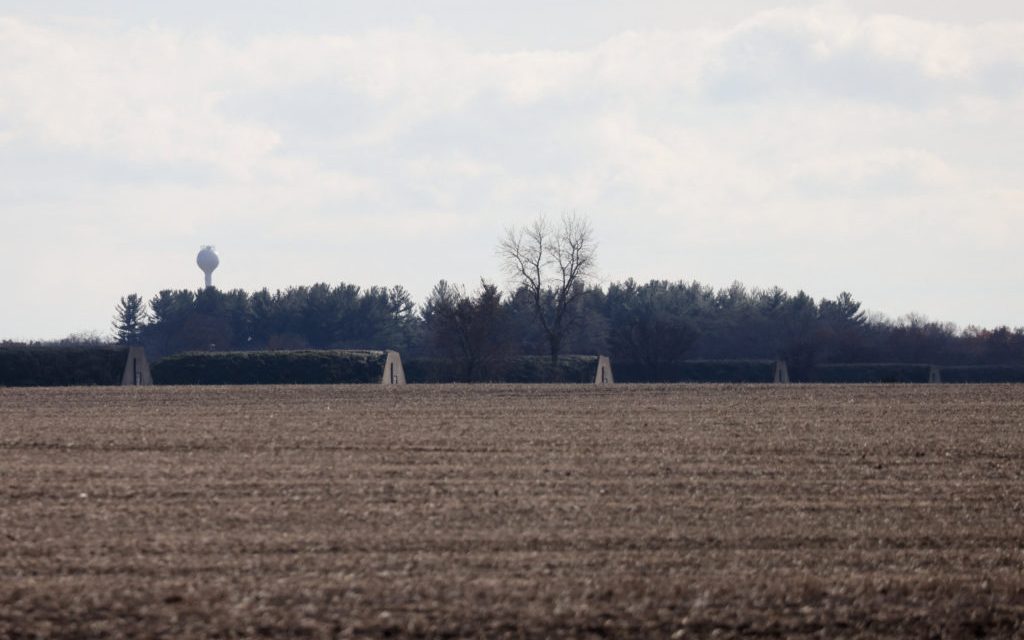
On November 24, 2026, the U.S. Army announced plans to detonate a highly volatile explosive compound in Iowa. This compound, called lead azide, is commonly used in military munitions. It has been deteriorating underground, raising safety concerns.
Detonation of lead azide can release toxic lead dust, which poses health risks. Despite this, Army officials argue that a controlled explosion remains the safest method to manage the stockpile effectively.
Geoff Bennett, co-anchor of PBS News Hour, explored the issue further with Eliza Billingham of Iowa Public Radio. The discussion focused on potential impacts and safety measures.
Courtney Norris, the deputy senior producer of national affairs for NewsHour, communicated important updates. Her insights can be followed through email at [email protected] or on Twitter @courtneyknorris.
Additionally, Geoff Bennett, known for his incisive reporting and analysis, shared updates as co-anchor of PBS News Hour via Twitter @GeoffRBennett.
 Florida Attorney General Seeks to Revoke Doctor’s License Over Suspected Illegal Abortions
 Plane Crash Investigation Near Mississippi Coast
 Impact of Medicaid Coverage Loss on Immigrants
 Potential Health Risks of Explosive Detonation in Iowa
 FAA Lifted Ground Stop at Chicago O’Hare Due to Equipment Outage
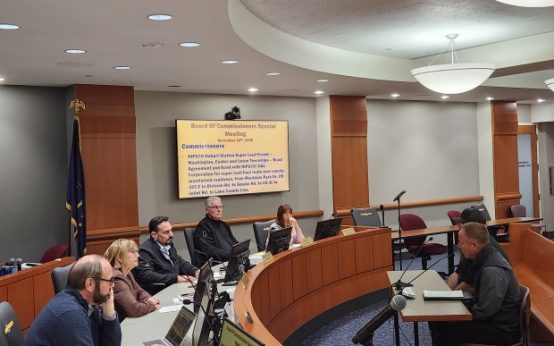 Porter County Commissioners Urge NIPSCO to Seek Approval for Transformer Transport