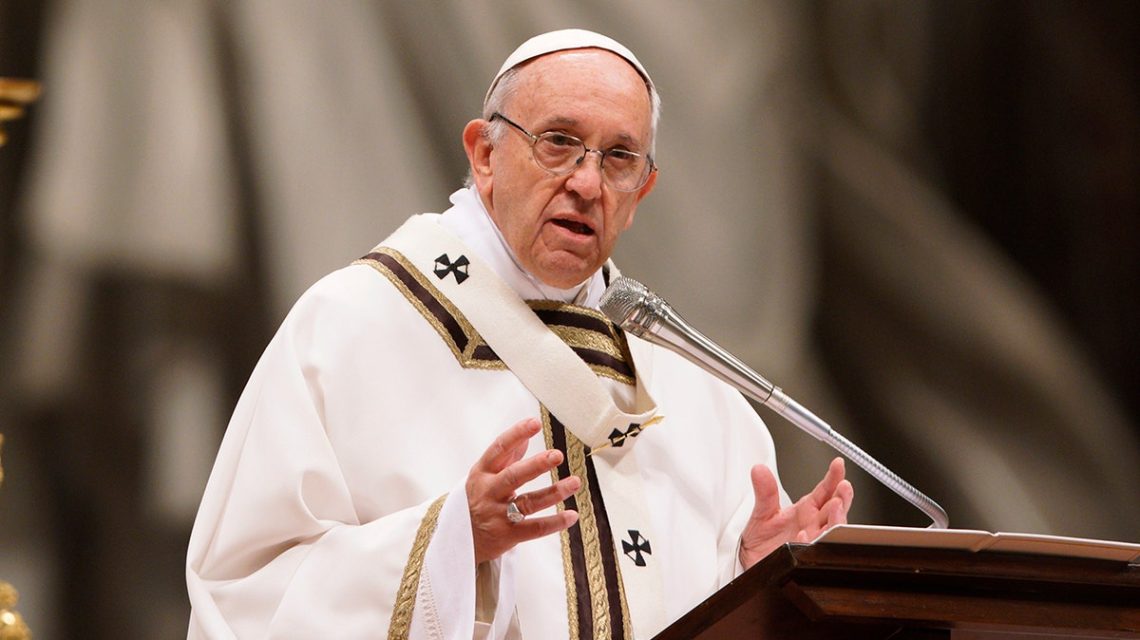
The Vatican has made the private diary of the late Pope Francis public, detailing his two-year spiritual crisis and encounters with evil forces. The diary, titled The Private Diary of Pope Francis, offers insights into a challenging period for Francis that began in 2021. During this time, he felt the burden of leading the Catholic Church and was tempted by the devil.
Compiled by Cardinal Victor Fernandez, the 160-page diary spans from December 1992 until August 2024. The release marks the first public papal diary since the 1960s. Pope Francis passed away in April 2025 at the age of 88. The entries are a candid reflection of his internal struggles with governance issues and spiritual desolation.
All mixed with governance issues, pressure regarding decisions to make, and aridity and desolation,
Francis wrote in a December 2022 entry, adding he resisted becoming a leader who exploited others.
Throughout the diary, Francis mentioned encountering the devil three times, including during a Vatican meeting. A June 2018 entry vividly describes a vision of hell. Last night I saw the entrance to Hell,
wrote Francis. I peeked in to look a little, and it terrified me. I grabbed the Rosary as a weapon. I thank the Lord for this help.
On Varney & Co., theologian Jonathan Morris expressed surprise not at the pope’s revelations, but at the decision to release them. He highlighted spiritual warfare and core Christian beliefs like death and judgment as central themes noted in the diary.
Pope Leo XIV, praised by Francis in the diary as a capable leader, approved the publication. He believed sharing these writings might support others facing similar spiritual battles.
Fox News contributor Brittany Miller and Reuters provided additional context on the diary’s release.
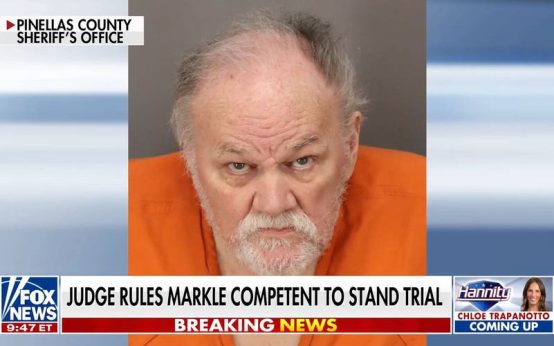 Meghan Markle’s Father Deemed Competent for Trial in Child Abuse Case
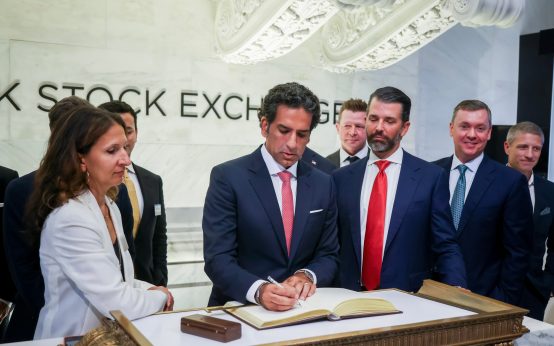 Pentagon’s Potential $15 Billion Loan to Trump-Linked Startup
 Evacuation Urged for Safety Before Detonation at Iowa Ammunition Plant
 Bob Woodward Reflects on His Storied Career
 Weekly Sports and Culture Highlights
 Examination of Chicago’s TIF Program and Its Impacts on Neighborhood Development