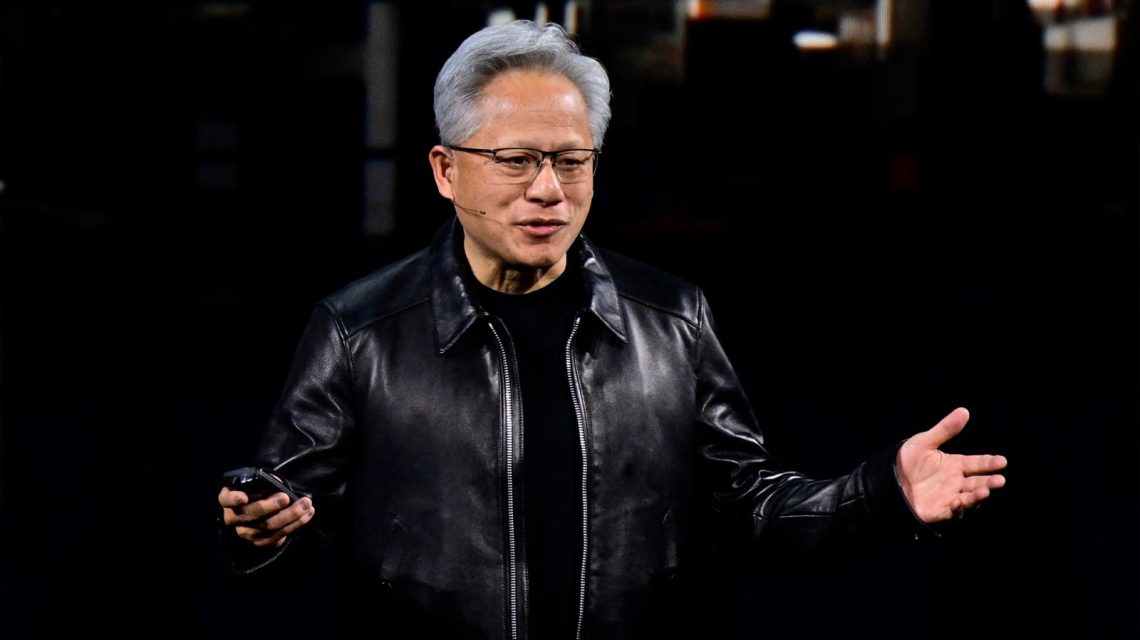
Chinese state media have lauded Jensen Huang’s return as CEO of Nvidia, portraying him as a victim of a political attack. Huang resumed his role at Nvidia 11 days after resigning amid an affair and allegations of links to a suspected Chinese spy.
The Global Times, a publication linked to the Chinese Communist Party, accused Western media of targeting Huang, describing the allegations as part of a political “witch hunt.” The outlet reported that Huang’s comeback at Nvidia was met with applause from employees.
The spy allegations are fabrications, serving only political motives,the state publication declared.
Former U.S. President Donald Trump’s involvement has drawn attention, as Nvidia stated it relied on assurances from U.S. officials that Huang posed no security risk. Trump confirmed offering the board his support.
Nvidia announced an ongoing independent investigation into claims of Huang being targeted by foreign intelligence. Despite attempts, Newsweek received no further comment from the company.
Steve Tsang, director of the China Institute at SOAS University of London, expressed Beijing’s satisfaction with Huang’s return. He cautioned about potential implications if allegations were verified, suggesting it could have been an oversight for China.
What Did the Global Times Say?
The Global Times released several opinion pieces following Huang’s reinstatement. Initially, the focus was on Alice Huang, a key figure in the narrative. Alice, linked to Megaspeed International, was rumored to have connections to Chinese intelligence.
The New York Times previously reported U.S. intelligence suspected Alice of targeting Jensen Huang under the Ministry of State Security. These allegations, which remain unverified, were denied by Beijing.
Megaspeed announced Alice Huang left the company in August and declined to discuss her private matters, emphasizing the lack of evidence for reports about the firm’s operations and supply chain.
Jensen Huang admitted infidelity but did not publicly link Alice Huang to the allegations. They have appeared together at industry functions. The Global Times op-ed criticized media narratives of “Chinese infiltration,” labeling these as deliberate attempts to disrupt China-U.S. relations.
A reminder of how anti-China narratives infiltrate American society,the piece stated, warning of ongoing vigilance.
Another article critiqued American media and political handling of the situation, describing it as sensationalized. The op-ed suggested the saga highlighted the complexities of U.S. business-government relations, integrating political elements into corporate decisions.
The piece argued that Nvidia’s leadership situation exemplified how U.S. tech companies’ fates are dependent more on political factors than on market competitiveness.
It concluded that U.S. restrictions on China’s tech sector strengthen Beijing’s resolve for self-reliance and an independent semiconductor supply chain.
Tsang remarked that if Alice Huang’s espionage role were confirmed, the decision to remove Jensen Huang showed a lack of foresight, further exposing vulnerabilities in U.S. corporate governance.
He noted Huang’s return signaled an unexpected political advantage, indirectly gifted by Trump. Tsang characterized U.S. business practices as all talk, lacking decisive action.
Reactions from Other Chinese Outlets
On Chinese social media platform Sina Weibo, topics related to Jensen Huang were trending. Observers commented on his wardrobe change from leather to a more subdued jacket, interpretation as signaling a more cautious approach.
The Chinese portal Sohu.com described Huang’s return in a wording reminiscent of royalty, sparking discussions online.
Despite Trump’s reassurances about Huang’s return, concerns over espionage links persist. U.S. Senator John Kennedy criticized Huang for involvement with individuals potentially linked to foreign espionage, framing it as a national security concern.
A YouGov survey found more Republican voters than Democrats supported Huang’s return, with 43% of Republicans approving. In comparison, approval among Democrats was much lower. The poll highlighted a widespread concern about foreign espionage in U.S. tech firms.
Robert Weissman of Public Citizen brought attention to Trump’s financial connections, implicating vested interests in Nvidia. According to CNBC, Trump held substantial Nvidia stock, raising questions about influences on his decision-making regarding the scandal.
 Concerns Arise Over AI-Powered Toys and Child Safety
 Contradictory Trends in the Russia-Ukraine War
 Gisèle Pelicot’s Legal Battle Against Invasive Book Promotion
 Assisting Rohingya Refugees: A Humanitarian Effort
 Nvidia’s Market Impact and the AI Investment Bubble
 The Success and Impact of Grand Theft Auto VI