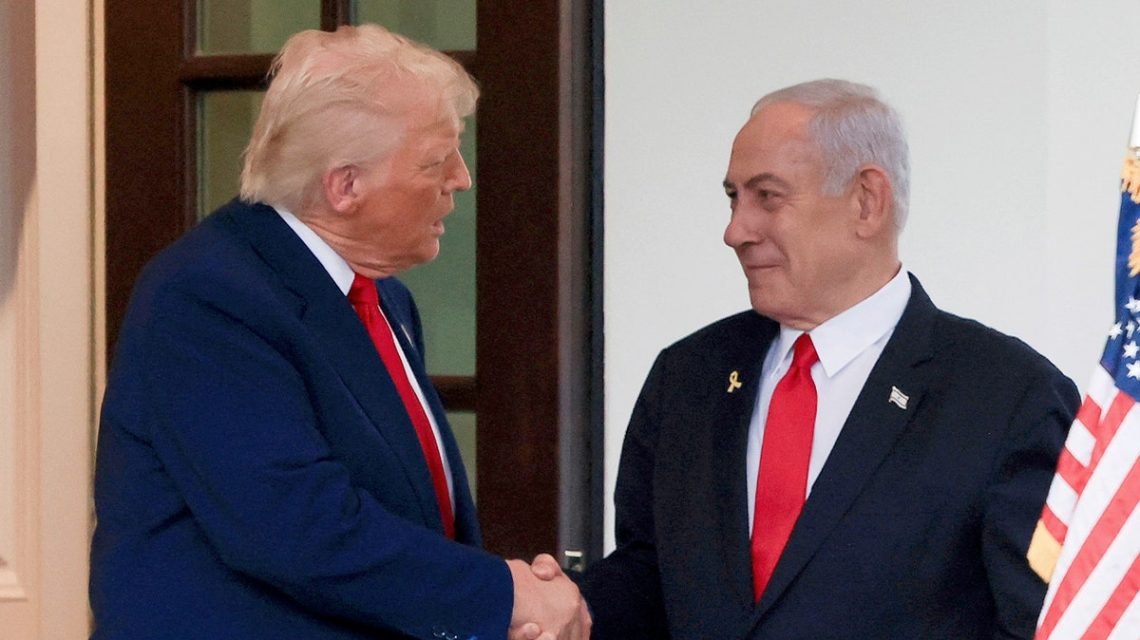
The longstanding alliance between the United States and Israel faces scrutiny as it balances shared strategic interests against fiscal demands. Tensions with Iran have highlighted the alliance’s benefits and costs, particularly regarding military collaboration and weapons stockpiling.
A report by Advancing American Freedom (AAF) and the Zionist Organization of America (ZOA) contends that Israel functions as a major strategic asset. It describes Israel as the largest U.S. aircraft carrier in the Middle East, offering leverage and stability for American interests in the region.
This perspective contrasts with criticism that the alliance is expensive and provides little return. Public support for Israel is waning, even among traditionally supportive groups like Republicans.
Military Cooperation Benefits
Former President Donald Trump and Israeli Prime Minister Benjamin Netanyahu have weighed changes to U.S. military aid, though Trump acknowledged Israel as a reliable ally. The report emphasizes the importance of intelligence sharing, joint weapons development, and missile defense cooperation.
The U.S. and Israel have collaboratively developed missile defense systems like David’s Sling and Arrow; U.S. companies manufacture components. Over 100 companies in 34 states are involved in these efforts. In August, an Arkansas facility delivered the first Iron Dome Tamir interceptor fully produced in the U.S., benefiting domestic manufacturers.
However, U.S. forces expended many interceptors during conflicts, leading to stockpile concerns. The Congressional Budget Office estimates that rebuilding this inventory could take years, given past expenditures in conflicts with Iran.
Intelligence Sharing and Security
Intelligence sharing is another cited benefit. Former CIA Director John Brennan noted Israel’s contributions to key intelligence efforts, though specifics remain undisclosed. An example includes Israeli warnings about a potential Iranian threat to Trump during a Turkey visit, which led to precautionary measures. Despite uncertainty, Israeli intelligence prompted U.S. action.
Financial Dynamics and Debate
The financial aspect of the alliance is under debate. The U.S. provides approximately $3.3 billion in Foreign Military Financing and $500 million for joint missile defense programs annually. Most of this aid supports U.S. defense contractors. According to the report, this financial commitment is seen as highly beneficial.
Netanyahu has called for the gradual reduction of U.S. military aid, and ongoing negotiations may lead to new terms. A balance between direct grants and joint collaboration could define future relations, which are politically sensitive.
A Chicago Council survey in 2026 indicates that more than half of Americans support reducing or ending military aid to Israel. While Republicans generally support the alliance more than Democrats, internal divisions exist, with some pushing for changes due to perceived burdens.
The Stimson Center notes that while the U.S. and Israel aligned against Iran, differing strategies emerged. Israel favored expanding the conflict beyond preferred U.S. limits. This complex dynamic illustrates the challenges of aligning military objectives between allies.
As future agreements evolve, discussions will increasingly focus on fiscal implications and strategic gains, balancing the alliance’s costs against its perceived advantages.
 Lioness Hunt in Istanbul: Panic Turns to Confusion
 Private Diary of Pope Francis Reveals Spiritual Struggles and Mystical Experiences
 U.S. Criticizes Canada’s Defense Spending and Military Contributions
 A New Book Reveals Pope Francis’s Inner Struggles
 Ukrainian Drone Attack Sinks Russian Warship in Libya
 Pearl Jam Criticizes ICE Over Seattle Airport Arrests