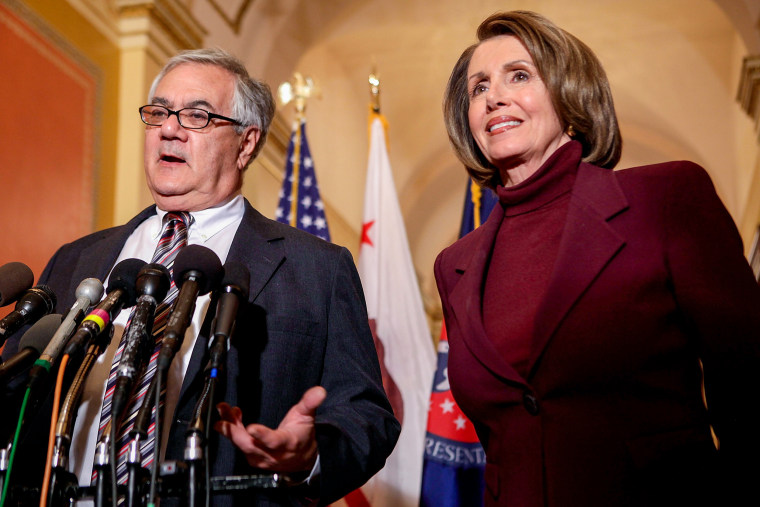
Barney Frank’s career began in 1968 when he left Harvard to work as chief of staff for Democratic Boston Mayor Kevin White. He stayed in this role until 1971, during a time of racial tension in Boston. Frank then worked as a staff assistant in the office of Rep. Michael F. Harrington, serving Massachusetts’s 6th Congressional District.
In 1972, Frank entered electoral politics by securing a seat in the Massachusetts Legislature. He successfully won re-election three times while earning a J.D. from Harvard Law School. Frank then aimed higher, setting his sights on the U.S. House of Representatives.
In 1980, Frank narrowly won the seat for Massachusetts’s 4th Congressional District, obtaining just under 52% of the vote. This close victory was unusual for him, as he easily won his next 15 re-election campaigns. Frank established himself as a liberal figure in the House.
Coming Out and Challenges
In 1987, during his fourth term, Frank became the first member of Congress to openly come out as gay on his own. The Boston Globe published his statement: “If you ask the direct question: ‘Are you gay?’ the answer is yes. So what?” Frank explained he had nothing to hide regarding his personal life.
His career faced a crisis in 1989 when a report revealed his involvement with a male escort who worked as his aide. Frank dismissed the aide after discovering misuse of his residence for prostitution. Although the House reprimanded him in 1990, Frank won re-election with 66% of the vote.
A Liberal Legacy
Throughout his political journey, Frank supported legislation promoting abortion rights, environmental protection, anti-discrimination in housing and employment, and LGBTQ rights. He played a significant role in advocating for the repeal of “don’t ask, don’t tell,” which restricted openly gay and bisexual people from serving in the military.
Frank co-authored the Dodd-Frank Wall Street Reform and Consumer Protection Act, a response to the 2008 financial crisis aimed at stabilizing markets and protecting consumers. President Obama signed it into law on July 10, 2010. Despite the legislation’s mixed reviews, it was a landmark achievement in Frank’s career.
Controversies and Decisions
Frank came under scrutiny for his support of Fannie Mae and Freddie Mac’s mortgage programs for low-income customers. Critics argued these policies contributed to the companies’ difficulties and the housing crisis.
In 2010, facing a strong challenge from Republican candidate Sean Bielat, Frank won narrowly with about 54% of the vote. He decided not to seek re-election in 2012 and was succeeded by Joe Kennedy III.
Personal Life and Legacy
In 2012, Frank married Jim Ready, describing married life as bringing an ‘afterglow.’ His autobiography, “Frank: A Life in Politics from the Great Society to Same-Sex Marriage,” provides deeper insight into his career. He outlived siblings and was survived by his husband and family.
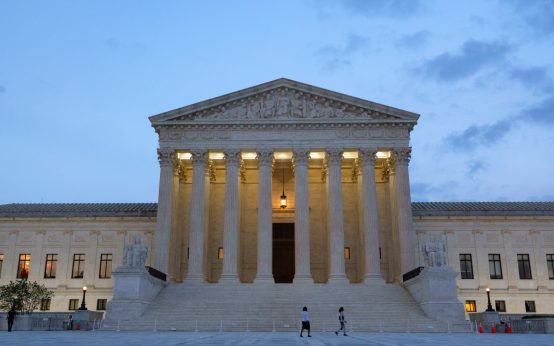 Conservative Activists Aim to Shape Judicial Perspectives on Birthright Citizenship
 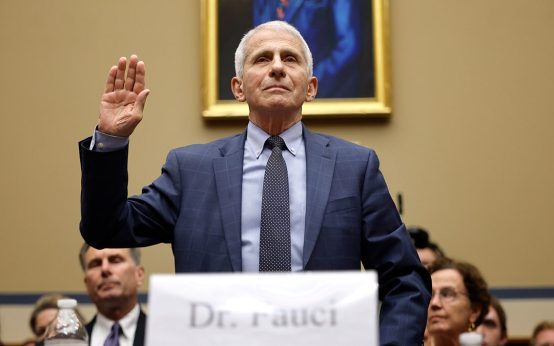 Understanding Contempt of Congress: Recent Case Involving Dr. Fauci
  Legal Experts Predict Trump’s Success in White House Ballroom Case
 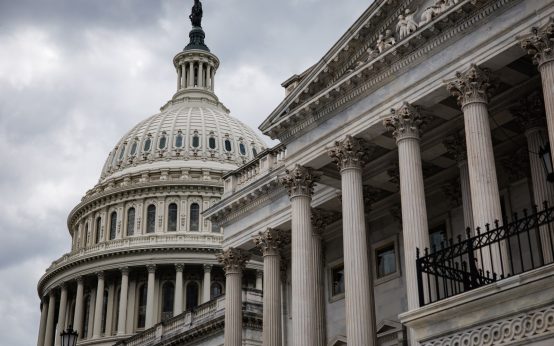 Senate Passes Stopgap Funding Bill, Affecting Key Policies
  Senate Faces Legislative Challenges Amid Recess
  Pentagon Urges Increased Weapon Production Amid Munitions Shortage