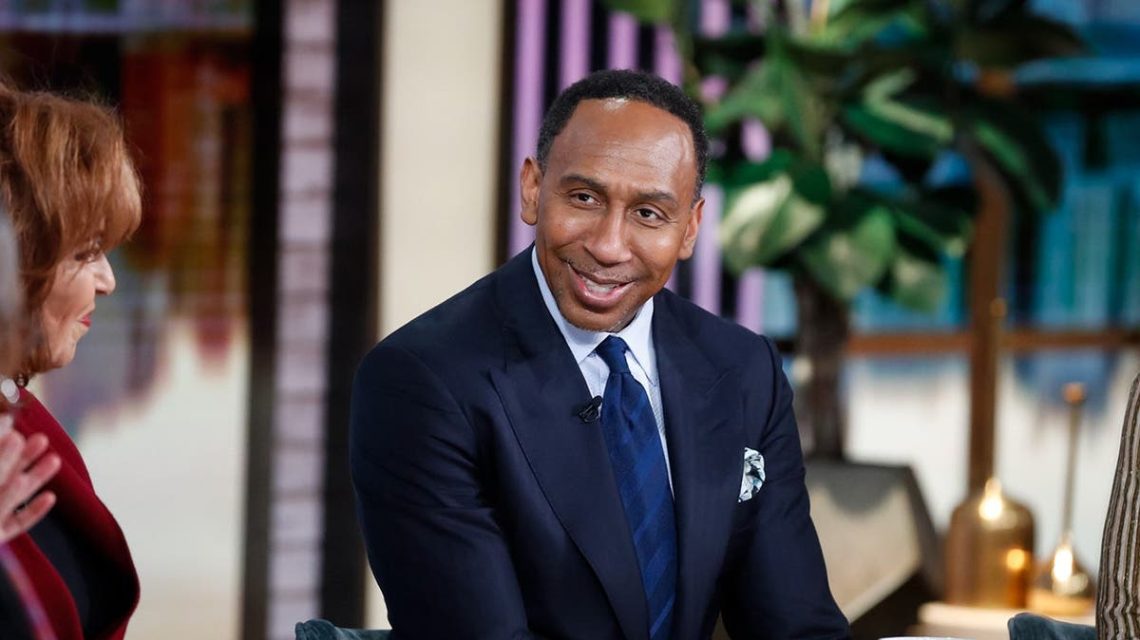
Controversial remarks about race have become a prominent aspect of modern media. An example includes Stephen A. Smith’s comments on ESPN, where he questioned the ability of the Los Angeles Lakers to win with their ‘top three players being White dudes.’ Smith’s stance faced criticism, yet he held firm. This poses the question of whether such racial remarks, if reversed, would yield the same tolerance.
Several instances demonstrate the ease with which White individuals can be dismissed due to race. Former NBA player Charlie Villanueva commented that Mavericks star Cooper Flagg couldn’t lead the NBA because he was White. These incidents highlight a double standard in racial discourse.
Similar situations extend beyond sports into broader societal discussions. Jemele Hill, a former ESPN host, made a comment on Threads about applying for high-paying jobs due to being White. Former Democratic Rep. Jasmine Crockett criticized the prevalence of ‘white tears’ from ‘mediocre white boys,’ highlighting racial issues in political arenas.
Nobody should be discouraged from talking about race, which can be one of the more challenging topics to address.
Comments from different fields, like Sandy Brondello’s racially perceived remark in sports, led to tangible consequences, unlike other unpunished stereotypes. Adverse racial remarks by individuals, like broadcaster Braiden Bell, have resulted in severe professional penalties, despite being made during adolescence.
The contrast with situations like Sarah Jeong’s hiring by The New York Times underscores an inconsistent approach toward racial remarks. Her past tweets disparaging White people did not hinder her career.
Managing racial discussions in media requires a balance, recognizing trends while avoiding stereotyping based on race. Not all racial jokes imply prejudice, as seen in comedic sketches like Dave Chappelle’s. However, some media portrayals, such as jokes from ‘Ted Lasso’, casually toss in ‘old White men’ as though it were an insult.
Casual racial stereotyping persists widely today. It is crucial to analyze these double standards and their implications in public discourse, recognizing how unremarkable dismissing White people has become versus changing the context to any other race, where prejudice awareness quickly resurfaces.
 The Fascinating Life and Works of Helen Hoover
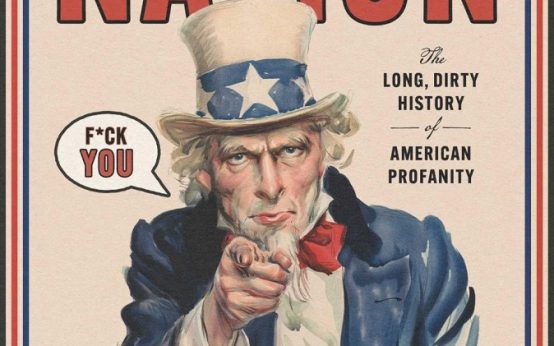 The History of American Profanity
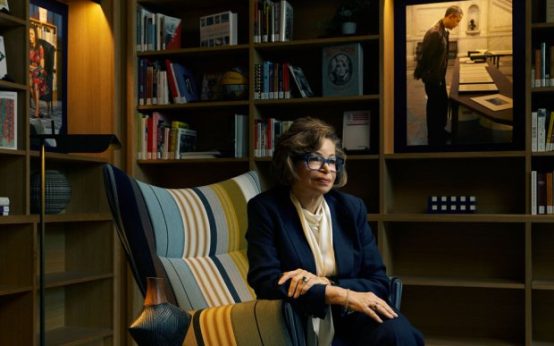 Notable Chicago Figures and Their Impact
 Semafor Discloses Payments to Political Consultants
 Martin Luther King Jr.’s Speech Draft Displayed in Atlanta
 Exploring The Sixth Floor Museum at Dealey Plaza