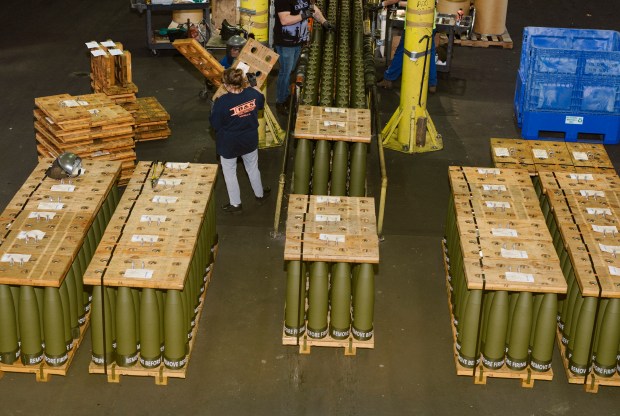
The U.S. Army’s plan to detonate 68 barrels of hazardous lead azide in southeast Iowa attracted significant attention and concern. The explosive operation, initially scheduled for a Friday, was likened to a scenario from a disaster film. Locals were advised to stay indoors as toxic dust could spread miles.
Lead azide, known for initiating bombs and rockets, is being phased out due to its dangers. However, at an Iowa depot, its condition had declined, making relocation risky. The Army released documents highlighting no choice but detonation to restore military readiness.
Computer models predicted lead particles could travel over 100 miles into Illinois, pending weather. Environmental groups filed lawsuits to halt or delay the detonation due to its potential impact.
“There are many unanswered questions,” said Michael Cheusse, city administrator of Aledo, Illinois, reflecting local concerns about air quality due to drifting lead particles.
Army Secretary Adam R. Telle announced a postponement following public outcry and official concerns. The delay aimed to ensure safety before a weather-induced destabilization of the material could occur.
The detonation plans came as the EPA issued an emergency permit. Despite months of preparation with the EPA, public awareness was limited until the operation’s final stages, prompting criticism.
Other officials echoed safety warnings. U.S. Sen. Tammy Duckworth criticized the lack of communication, and U.S. Rep Eric Sorensen emphasized necessary precautions for residents within potential exposure zones.
Lead exposure researcher Bruce Lanphear stressed the long-term dangers of airborne lead. While the Army promised monitoring and soil testing, doubts about thoroughness remained.
“Their statements are absurd,” Lanphear said. “Even minor lead dust contamination poses significant threats.”
Under the Trump administration, guidelines on lead exposure underwent relaxation, leading to greater scrutiny over public health protections. Erik Olson of the Natural Resources Defense Council questioned the necessity and communication of the chosen solution.
As local governments prepare for any fallout, meteorologists indicated the wind would likely push any dust north of Middletown. The Army committed to halting the operation if winds surpassed 15 mph.
The public remains alert as this decision’s implications are fully realized, balancing safety and military demands.
 Maryland Introduces Regulations to Protect Eastern Box Turtles
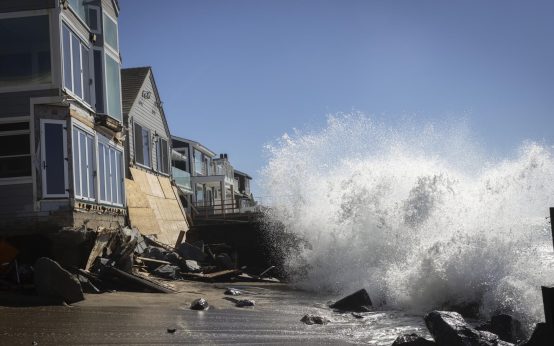 Rethinking Coastal Management in the Era of Rising Seas
 Failed UN Climate Talks in Turkey Highlight Fossil Fuel Dilemma
 Extreme Coastal Flooding Risks Loom Over California
 Shirley Heinze Land Trust’s New Headquarters: A Hub for Conservation
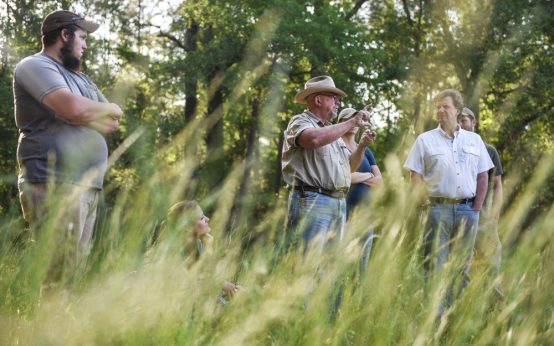 Challenges and Innovations at White Oak Pastures