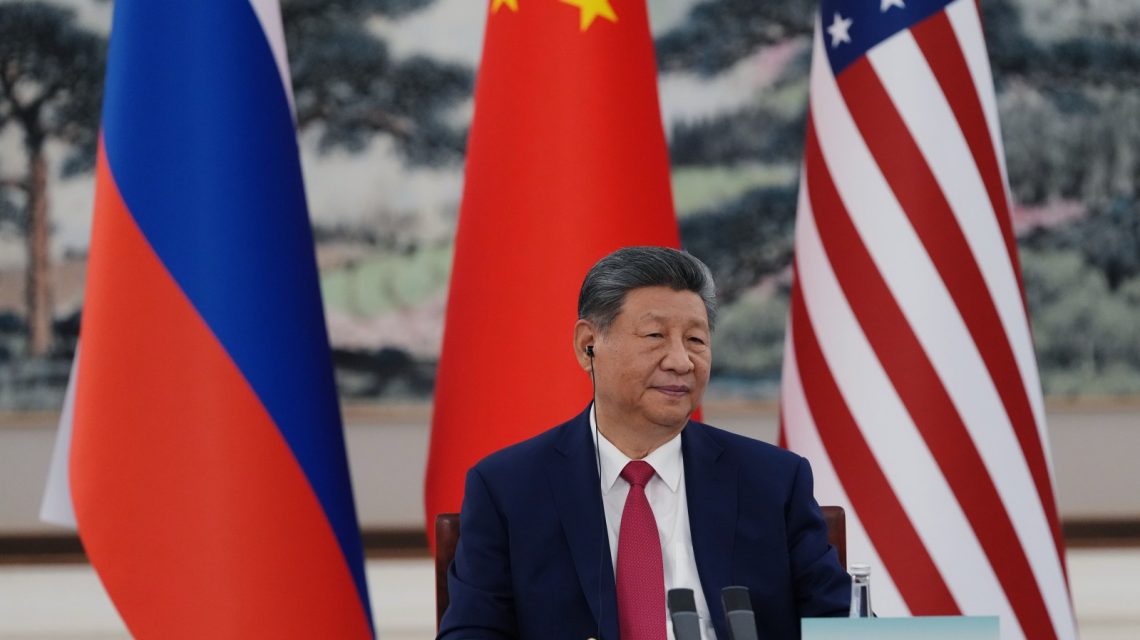
The Asia-Pacific Economic Cooperation (APEC) summit in southern China highlighted Donald Trump’s unique diplomatic approach. His cordial interactions with Xi Jinping and Vladimir Putin sparked concern among hawkish Republicans, suggesting a shift in traditional U.S. foreign relations.
Images of Trump embracing Xi at the summit caught attention. The tension was palpable as Trump assisted Xi up an escalator, seemingly focused only on his Chinese counterpart. Hard-liners in the U.S. expressed discomfort at Trump allowing Xi to take the central position in the trilateral photo session. Observers noted Trump’s positive demeanor upon seeing Putin, further intensifying unease.
Trump’s strategy seeks a presidential legacy that values personal diplomacy over typical rhetoric or posture. He recognizes the value of orchestrated global interactions and their symbolic power. “President Xi and I have formed an outstanding personal relationship,” Trump stated, indicating both satisfaction and controversy among observers. Xi’s expression of agreement highlighted their rapport, while U.S. officials like Marco Rubio remained unmoved.
Notably, Chinese officials prevented a Bloomberg journalist from questioning Trump about former Nvidia CEO Jensen Huang. Trump did not challenge their decision, respecting Xi’s summit arrangements.
Trump praised Xi’s summit organization, describing it as “perfectly executed.” This defiance against domestic expectations came amid a political and economic storm linking China to turmoil in U.S. markets.
Jennifer Kavanagh of Defense Priorities noted the importance of such meetings for strategic stability. She argued that dialogue, though criticized, is essential for maintaining peaceful international relations.
Trump’s interactions have revived Putin’s international standing. Despite Russia’s contentious actions, Putin’s global acceptance seems to have rebounded. Simultaneously, Trump’s focus on fostering ties with China has been evident. Xi’s durable leadership amid Western pressure illustrates China’s strategic gains from aligning with Russia.
Historically, China once looked to the Soviet Union for philosophical guidance. Today, the dynamics have shifted, with Beijing assuming influential roles in Eurasia. Putin, despite his assertiveness, finds Russia in a more submissive position compared to China’s rising status.
Americans’ perception of China is becoming less negative, but Trump’s closeness with Xi remains divisive domestically. Trump aims to correct what he perceives as “very lopsided” U.S.-China economic relations. He assured Xi that their trade agreement was favorable for American agriculture. To solidify this, Trump has minimized issues like China’s support for Iran and alleged espionage.
Xi reciprocated with gestures, such as seating Trump prominently at the APEC dinner and acknowledging his arms control ambitions, despite China’s nuclear enhancement.
Trump’s political experience shows through his adept navigation of complex international relations. He is aware of the internal challenges he faces at home with looming Democratic and Republican pressures to escalate U.S.-China tensions further.
Ryan Hass from the Brookings Institution predicts more complex U.S.-China relations by 2027, highlighting Congress’s growing voice and the reduction in summits.
Shenzhen represents Trump’s commitment to his vision for global power equilibrium, potentially at the expense of future Republican strategies. Reflecting on the sentiment of former President Barack Obama, Trump follows his own path with no election campaigns ahead.
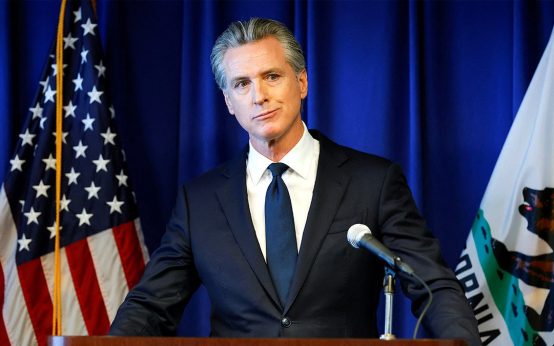 Controversy Surrounds Governor Newsom’s Death Sentence Commutation Plan
 Jewish Activist Criticizes Event Cancellation at CUNY School
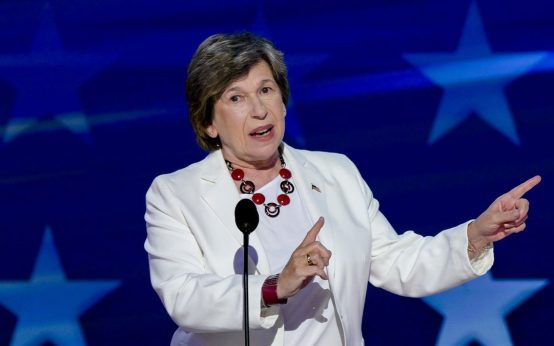 Debate on School Choice in Texas Elections
 Amy Klobuchar Takes On Governorship with Promises for Minnesota’s Growth
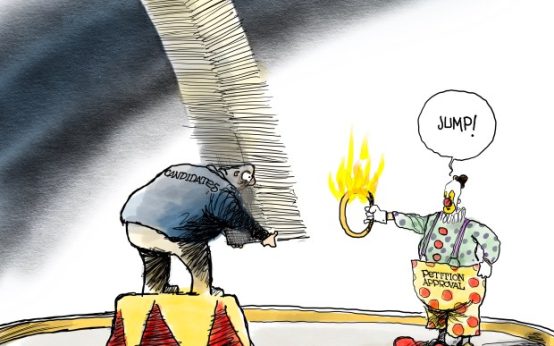 Challenges of Signature Requirements for Political Candidates in Illinois
 Debate Rekindled Over Gray Wolves and Livestock Losses