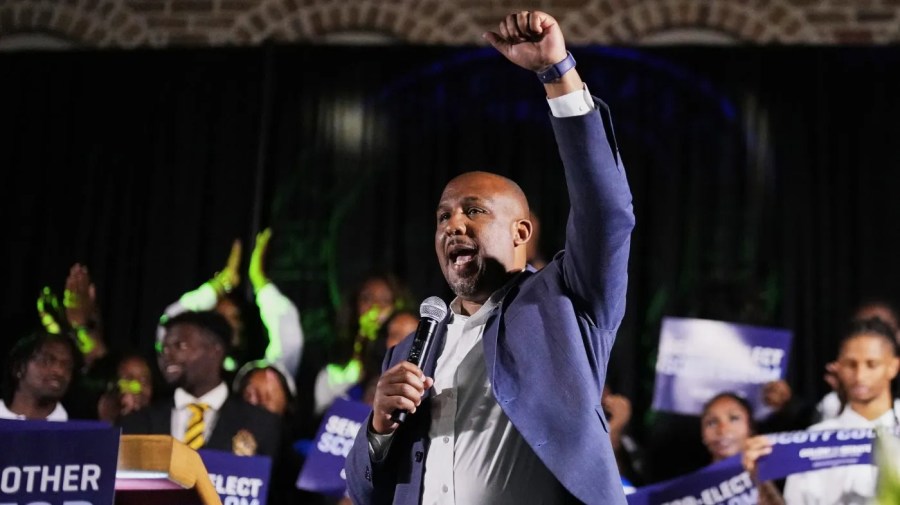
The recent class of House freshmen is determined to reshape Congress’s agenda and culture. Following their significant election victories, new House Democrats have revealed priorities such as reversing Medicaid cuts and banning stock trading by members. This aligns with one of the party’s notable majority holds in years. These freshmen, coming from varied backgrounds such as firefighting, local government, state legislation, and healthcare, aim to reflect the citizens who supported their elections.
Rep.-elect Sam Forstag (D-Mont.), a former smokejumper and union leader, emphasized the necessity for more working-class representation. “Working-class individuals are underrepresented in Congress,” he stated, highlighting a crucial gap in representation.
This year’s elections mark the largest Democratic majority in the House since 2008, possibly surpassing levels from the 1990s. Although yet to match the 1990 cycle’s 267 seats, House Democrats could potentially reach similar figures. Despite over half the American workforce considering themselves working-class, only a small fraction of Congress shares this background. The prominence of millionaire lawmakers in Congress contradicts the demographic representation of the general public.
Seventeen union members were elected among the new class, challenging the traditional makeup of Congress. Nicholas Carnes, a Duke University public policy professor, noted the barriers faced by working-class candidates, such as financial instability and job security concerns. These challenges often deter potential representatives without significant resources.
Rep.-elect Cyril Jefferson (D-N.C.) pointed out the systemic issues deterring working-class candidates: “Many campaign costs come out of personal funds, not campaign funds,” he said, identifying barriers to broad representation.
Carnes emphasized the importance of diverse life experiences in Congress. A lack of working-class representatives can hinder effective advocacy for relevant issues. Financial barriers in campaigning only add to the difficulty for working-class candidates. To address this, groups like the New Jersey AFL-CIO’s ‘Labor Candidates School’ provide essential support and training.
The midterms also introduced a more diverse representation, breaking records in several demographics. Over 155 women now serve in Congress, reflecting 51% of the U.S. population, including the first Muslim American Senator, Abdul El-Sayed (D-Mich.), and the first Native American woman Senator, Peggy Flanagan (D-Minn.). New, younger senators and more Black women in the Senate further reflect this progress.
Freshmen aim to shift Congressional culture towards bipartisanship. Rep.-elect Zach Dembo (D-Ky.) organized a bipartisan mixer to encourage cross-party discussions. Similarly, Rep.-elect Matt Little (D-Minn.) expressed a need to align Congressional actions with campaigns.
A focus on compassion and humanity remains vital, as expressed by Rep.-elect Cyril Jefferson. Sam Forstag’s remarks on traditional attire indicated a desire to modernize cultural expectations within Congress.
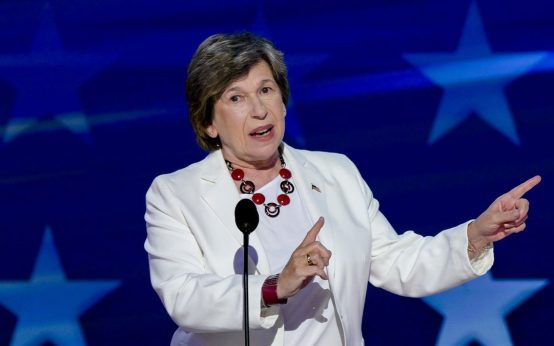 Debate on School Choice in Texas Elections
 Amy Klobuchar Takes On Governorship with Promises for Minnesota’s Growth
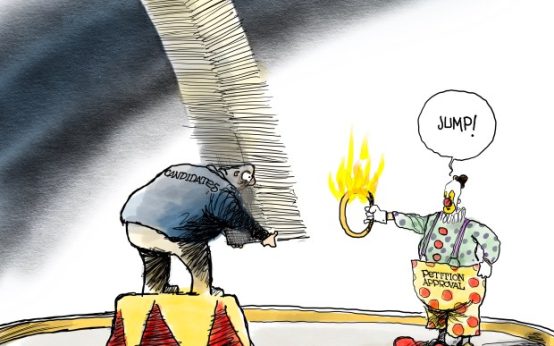 Challenges of Signature Requirements for Political Candidates in Illinois
 Debate Rekindled Over Gray Wolves and Livestock Losses
 White House Faces Backlash Over Controversial Video
 Former Press Secretary Critiques Republican Strategies