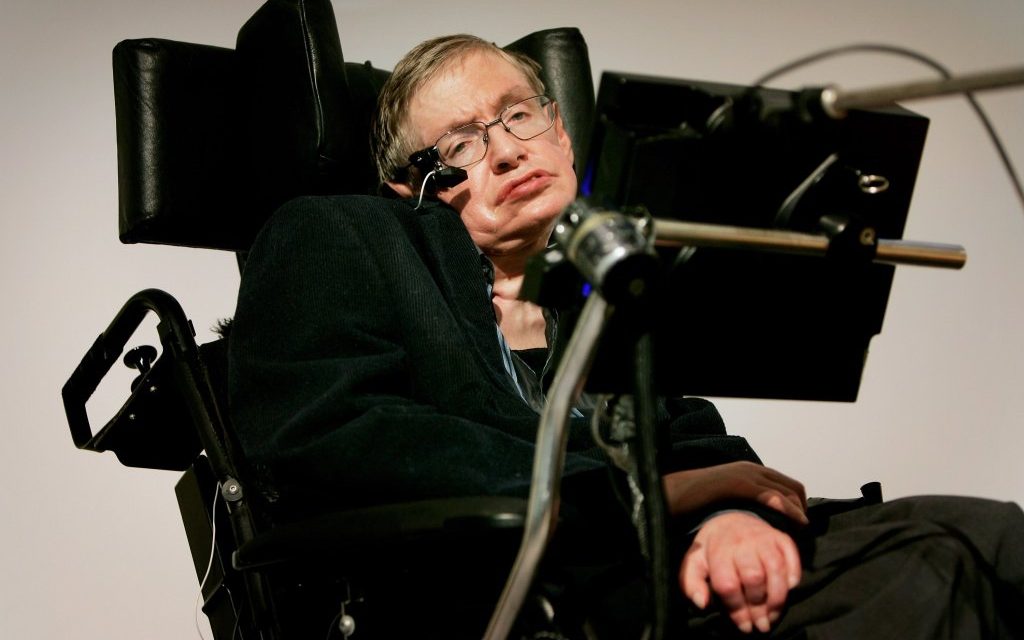
On Christmas morning in 1989, Stephen Hawking spent time with his family to exchange presents. However, he later left to meet another woman, which his daughter Lucy never forgot. She recalled, “He gave us all our presents in the morning and then my dad made this big thing of going off with Elaine, which I thought, [and] still think, was unnecessarily brutal.” This memory is one of several revelations in Graham Farmelo’s new biography, Hawking: His Life and Work.
Hawking revolutionized our understanding of black holes while living with ALS, confined to a wheelchair and losing the ability to speak after a tracheotomy. Yet Farmelo portrays another side of him: a domineering and callous individual who was ruthless with colleagues and indifferent to loved ones.
Stephen’s father, Frank, noticed his son’s selfish tendencies early on. He wrote in his journal that Stephen “tended to bully [his younger sister] Mary and to be very selfish.” After one family holiday, Frank concluded, “Life was simpler without him.”
Diagnosed with ALS at 21, Hawking defied the odds by living for decades. Despite his condition, he maintained a strong interest in women, frequenting strip clubs such as London’s Stringfellows. He even acknowledged this interest jokingly at his 60th birthday celebration with a Monroe impersonator present. Reports of him visiting a California swingers club in 2012 were addressed by Cambridge University; they stated claims of him being a regular were exaggerated.
In 2006, Hawking attended a physics conference on the US Virgin Islands organized by Lawrence Krauss. Jeffrey Epstein co-sponsored the event, and Hawking took a submarine excursion with assistance. Epstein later mentioned in a 2017 text exchange that he had helped Hawking board the submarine. While allegations about Epstein emerged shortly after the conference, no evidence linked Hawking to misconduct.
Hawking’s personal life was tumultuous. He married Jane Wilde after his ALS diagnosis, and they had three children. Jane provided much of his daily care and likened him to Shakespeare’s King Lear, with a “massive and fractious ego.” Tensions rose when Jane developed a relationship with Jonathan Hellyer Jones, a situation Hawking tolerated despite pressure from his mother, Isobel.
Eventually, he began an affair with nurse Elaine Mason, leading to his second marriage in 1995. This relationship worried family and caregivers due to reported injuries Hawking sustained. Despite two police investigations, no charges were filed, partly due to the brittle state of his bones. Hawking and Elaine divorced in 2007.
Hawking’s family ties remained strained. By 2003, Isobel said her son was “a different person.” Mary and their adopted brother Edward also expressed dissatisfaction with his detachment and manner.
In his professional life, Hawking’s authoritarian nature appeared when he clashed with Cambridge student Andrew Farley. Farley’s research contradicted Hawking’s ideas on black holes. Rather than debate, Hawking urged for Farley’s removal from the PhD program. Farley completed his doctorate, but his confidence as a theorist was shaken. In 2004, Hawking ultimately changed his stance, aligning with Farley’s original ideas.
Despite deteriorating health, Hawking pursued goals with determination. In 1985, he undertook a risky trip to China, declaring, “Even if I die as a result of going up to the Great Wall, I’m still going to China.” He returned successfully in 2006 with modifications to accommodate him. Hawking’s friend Kip Thorne concluded, despite appearances, Hawking firmly controlled his life and decisions.
 Deaf Texas Student-Athlete Secures Multiple College Offers
 Exploring Retirement Through Podcasting: NPR’s Senior Podcast Challenge
 Tyler Lundblade’s Impact on Tennessee Basketball and Community
 Bayer Settles Massive Roundup Lawsuit Over Cancer Claims
 Grandmother Wins $1 Million Lotto Max Prize, Plans Exciting Purchases and Trips
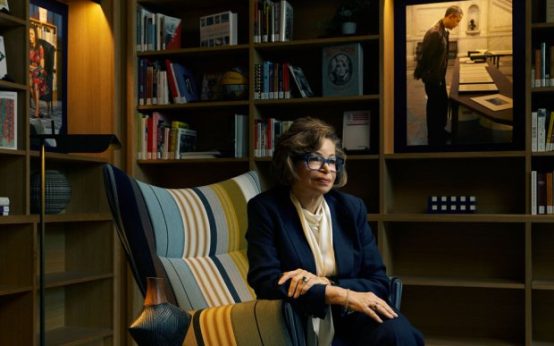 Notable Chicago Figures and Their Impact