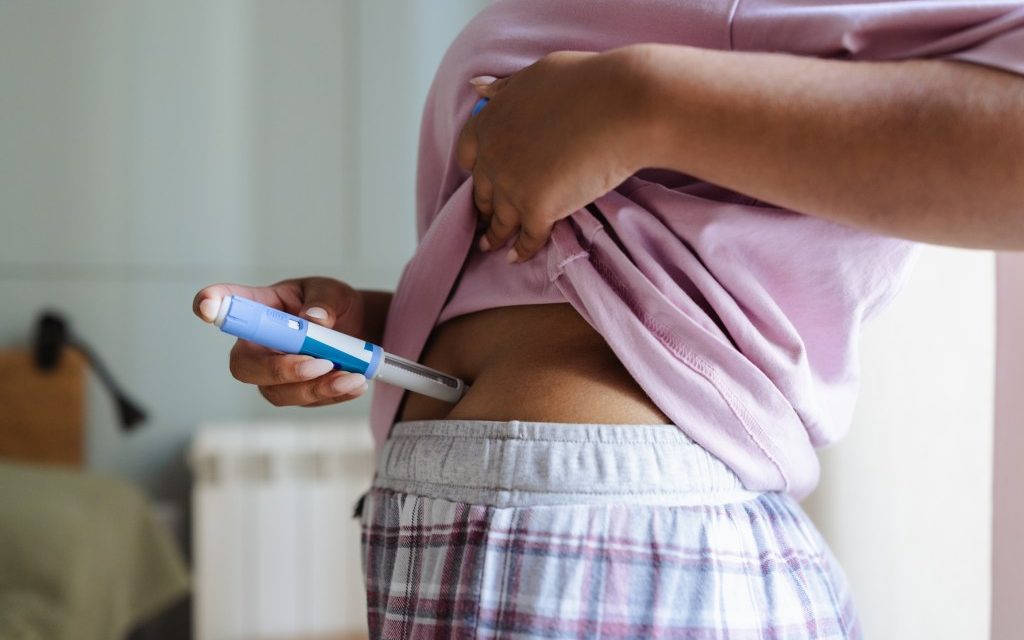
GLP-1 medications like Ozempic, Wegovy, and Zepbound have significantly impacted weight management and diabetes control. Despite their effectiveness, many patients discontinue use within a year. This cessation can lead to potential rebound risks including rapid weight regain and loss of cardiovascular protection.
Reasons for Discontinuation
Dr. Frank Dumont, an internal medicine physician and executive medical director at Virta Health in San Francisco, explains why patients often stop taking GLP-1s. Some patients experience side effects such as nausea, vomiting, constipation, and diarrhea. Others prefer to avoid long-term medication. These issues might hinder sufficient nutritional intake. Dumont emphasizes the importance of consulting with a physician to decide on continuing or stopping the medication.
Serious side effects, such as acute pancreatitis, necessitate immediate discontinuation. Although rare, pancreatic involvement can be life-threatening. Additionally, GLP-1 medications carry warnings about thyroid tumors based on animal studies. Those with a personal or family history of medullary thyroid carcinoma or multiple endocrine neoplasia syndrome type 2 should avoid these medications.
Six Potential Risks After Stopping GLP-1s
1. Return of Hunger and Cravings
Upon stopping GLP-1s, intense cravings and increased appetite often return, known as “food noise.” Patients may mistakenly treat these medications as short-term prescriptions. Major medical organizations recognize obesity as a chronic condition requiring continuous management. Without dietary changes, hunger and cravings are likely to rise.
2. Weight Regain
Weight regain is typical after quitting GLP-1s. The STEP 1 trial extension showed participants regaining around two-thirds of lost weight within a year of stopping semaglutide and ceasing lifestyle interventions. The SURMOUNT-4 trial also revealed weight regain after switching to a placebo. This can be highly discouraging for those believing they found an effective solution.
3. Change in Biomarkers
While on GLP-1s, biomarkers such as blood sugar, blood pressure, and cholesterol levels often improve. However, discontinuation can reverse these improvements without dietary changes. Dumont notes the potential worsening in conditions like fatty liver disease once medical treatment stops.
4. Worsening Body Composition
GLP-1 use can lead to muscle loss alongside fat reduction, affecting long-term physical function. A study showed 25% of weight lost with tirzepatide was lean mass. Dumont cautions that regained weight may not restore this muscle, impacting metabolism, injury prevention, and daily activities.
5. Mental Health Effects
Stopping GLP-1s can affect mental health. Many patients view GLP-1s as a last-resort solution after unsuccessful diet cycles. Discontinuation might lead to feelings of regression and loss of control, impacting mental well-being.
6. Loss of Health Protection
A study published in BMJ Medicine indicates that adults with type 2 diabetes stopping GLP-1s had a higher risk of major cardiovascular events compared to continued users. Dumont highlights the broader metabolic benefits of GLP-1s, such as reduced inflammation and improved cholesterol levels. Without sustained medication, these benefits can diminish, increasing the risk of severe events like heart attacks.
Maintaining Progress
Achieving metabolic goals and making lasting lifestyle adjustments can help maintain progress after stopping GLP-1s. Dumont stresses the importance of developing sustainable eating habits. GLP-1s should complement a long-term dietary plan. Collaborate with your prescribing clinician to create a cessation plan including monitoring weight and blood sugar levels.
 Contagious Bird Flu Outbreak in Wisconsin Backyard Flock
 Invisible Plastics in Everyday Products
 Healthy Aging Tips from Britain’s Oldest Female Ironman Finisher
 Alzheimer’s Disease: Gene’s Role in Immune Cell Function Explored
 Gender Differences in Obesity: Findings from a New Study
 Nationwide Hormone Therapy Shortage Affects Menopausal Women