
The recent hantavirus outbreak on the MV Hondius cruise ship has highlighted the need for a vaccine. Despite this, efforts to develop such a vaccine often face obstacles. Outbreaks are infrequent and mainly occur in less affluent regions, reducing the appeal for pharmaceutical investment.
Sabra Klein, a professor at the Johns Hopkins Bloomberg School of Public Health, commented, “Our funding agencies don’t invest heavily in this area since it’s unlikely to cause the next major epidemic.” Though the viruses cause severe symptoms, including hemorrhagic fever, funding remains limited.
EnsiliTech, a biotech company from the UK, has been working on a hantavirus vaccine for 15 years. “We looked at hantavirus and saw it was pretty neglected,” said Matt Slade, the company’s co-founder and chief of staff. At the time, few were researching solutions in this sector.
The vaccine uses messenger RNA technology, similar to what was employed for Covid vaccines. It targets the hantaan virus strain, prevalent in East Asia, which causes severe bleeding and kidney issues. One challenge in its development was ensuring room-temperature stability, unlike the freezing conditions required for Pfizer and Moderna vaccines.
The company created the “ensilication” method, which encases the mRNA in a silica shell for protection. Human trials have not yet begun, possibly starting in three to four years. Successful trials in rodents, the primary transmitters to humans, have already been conducted.
Without initiatives like Operation Warp Speed, which accelerated Covid vaccine development, Phase 2 and 3 trials for this vaccine may take an additional five years. Slade noted that other hantavirus vaccines are still in preclinical stages, awaiting human trials. “During Covid, processes accelerated due to emergency approvals. Normally, development is slower,” explained Slade.
The recent outbreak has renewed some interest, though strong commercial incentives are needed. “Hantaviruses usually appear where there’s no financial support, leading to disinterest,” Slade added.
According to Dr. Ofer Levy, director of Boston Children’s Hospital’s Precision Vaccines Program, vaccines exist in China and South Korea, but they show mixed results and are not available elsewhere. Historically, American exposure to hantavirus dates back to World War II, when troops in Central Europe encountered the virus. Consequently, the U.S. military has shown interest in developing a vaccine.
Nevertheless, with outbreaks being rare globally, securing consistent funding has been difficult. “There has been no ‘Warp Speed’ for hantavirus,” Levy stated, highlighting the challenge in attracting necessary resources.
 Abdul El-Sayed Aims to Attract ‘Make America Healthy Again’ Supporters in Michigan Senate Campaign
 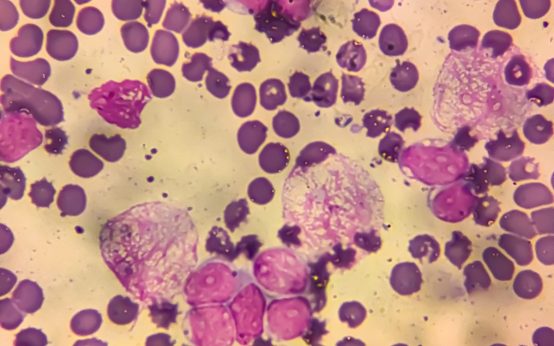 Infections Linked to Global Cancer Cases
  G. L. Mezzetta Inc. Recalls Peperoncini Due to Pest Concerns
  Leila’s Kidney Transplant Journey: Setbacks and New Beginnings
  Insulin Cost Legislation Push
  The Impact of Private Equity Ownership on Hospitals