
In a significant development, Nvidia CEO Jensen Huang’s alleged affair with a woman accused of being a Chinese spy has raised concerns about potential repercussions for the AI industry. This situation is causing friction between those advocating for strict measures against China and those warning against potential overreactions that might weaken the U.S.’s competitive position.
Lawmakers from both parties are revisiting past statements by Huang, who previously urged U.S. authorities to ease export restrictions on Nvidia products. This review aims to determine whether his relationship with Alice Huang, an executive at Megaspeed, compromised national security. Some insiders believe this scandal might lead to a bipartisan effort to tighten controls on chip sales, particularly as Nvidia’s advanced technology is seen as a vital tool for China to expand its AI capabilities.
Alice Huang was previously seen dining with Jensen Huang in Taipei on May 22, 2025, adding fuel to the ongoing controversy. During a press event in South Korea, Jensen Huang continued to be a point of interest, as Bloomberg documented on October 31, 2025. Concerns about U.S. advanced chips being accessed via a loophole, whereby Chinese firms rent hardware hosted in Southeast Asia, are also under scrutiny. This practice could ultimately benefit Chinese companies like Huawei, which is making strides in AI.
The potential removal of Jensen Huang from Nvidia could create a significant disruption in the AI market at a time when the industry is under critical evaluation. Nvidia plays a pivotal role in AI development and Huang is seen as integral to its operations.
Amid these concerns, House Minority Leader Hakeem Jeffries supports stricter regulations on chip exports while several senators call for legislation to block indirect Chinese access to U.S. chips. Discussions in Congress continue, with both parties seeking clarity on the situation and the FBI’s involvement.
Reports indicate that Megaspeed used Singapore-based data centers as a conduit to obtain Nvidia’s AI chips for China, exploiting a loophole that allows remote access. U.S. officials suspect that Alice Huang, linked to Chinese intelligence, played a role in this activity. Despite Nvidia’s resistance to remote access crackdowns, some U.S. Commerce Department officials have been apprehensive about enforcing stricter measures.
Experts, such as Rush Doshi from the Council on Foreign Relations, forecast intense investigations from both Democrats and Republicans on what is viewed as a potential compromise of national security for economic benefits. Legislative measures may be advanced to address these loopholes.
White House strategists encouraged Congress to include a provision targeting this loophole in the AI Overwatch Act, set to be part of the defense spending bill. Nvidia declined to comment on these developments while waiting for responses from the White House and the Commerce Department.
The inquiry into both Huang’s personal behavior and the broader implications for U.S. security is expected to focus on previous administrative actions or delays. Concerns were previously raised about Megaspeed’s purchases exceeding Nvidia’s recorded transactions, signaling potential smuggling issues under scrutiny by authorities.
Questions remain about Jensen Huang’s future with Nvidia amid pressure from the unfolding scenario. Daniel Newman, CEO of Futurum Group, acknowledges the uniqueness of Nvidia’s position in the AI sector and Huang’s critical role, yet underscores the risks involved if national security is found to be compromised.
 Rising Country Singer CJ Beach Passes Away in Car Accident
 Aspen Fire Crews Train with New Firefighting Drones
 U.S. Army Officer Arrested for Espionage in NATO Installation Case
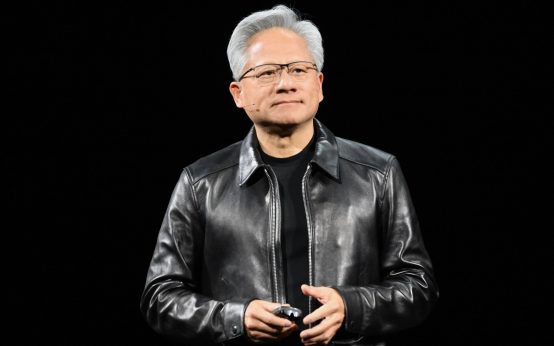 Nvidia Faces Uncertainty Amid Investigation Involving CEO Jensen Huang
 Web Summit 2026 Day 2 Canceled Due to Storm Charles
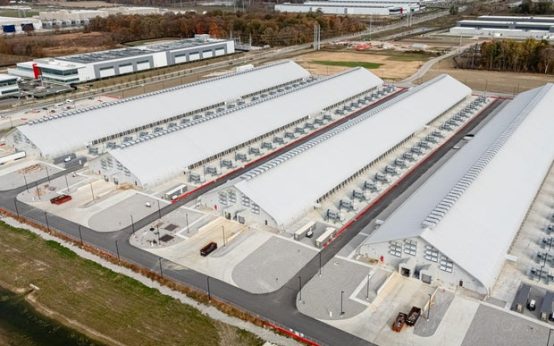 Economic Impact of AI Data Centers on Energy Costs