
While a change in Congress towards the Democratic party may influence the conversation around American trade policies, substantial tariffs and trade restrictions are expected to remain in place. The persistence of these policies signals ongoing challenges for U.S. households.
A significant portion of Americans attribute the rising costs of fuel and groceries to President Trump’s trade actions and the conflict with Iran. These trade policies contribute to inflation, impacting everyday expenses. However, despite the recent political shift, a fundamental change in these policies seems improbable.
The Democratic control of Congress may initiate discussions on trade, but altering the established tariffs and restrictions appears unlikely. This underscores the enduring impact of current trade strategies on domestic prices and international relations.
“Nearly two-thirds of Americans blame President Trump for higher prices at the gas pump and in the grocery aisle,” highlights how public perception ties inflation to governmental trade approaches.
The complex interplay between politics and business continues as trade remains a pivotal focus in discussions, albeit without drastic policy shifts on the horizon.
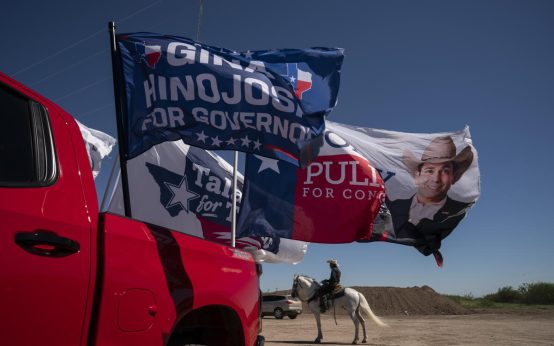 Californians Moving to Texas: Political Impact and Motivations
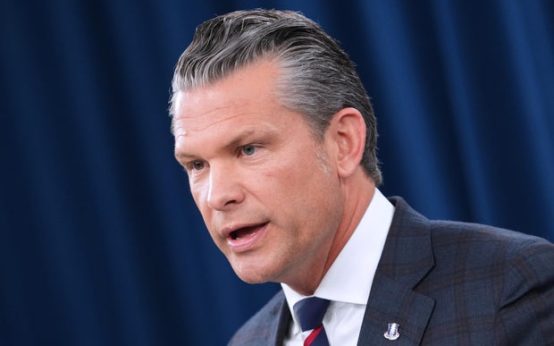 Republican Push to Impeach Defense Secretary Pete Hegseth
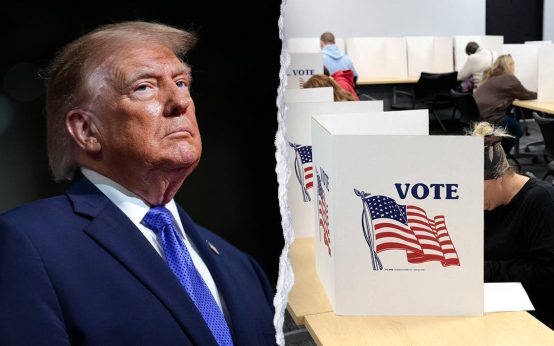 Midterm Elections Highlight Inflation Concerns and Democratic Gains
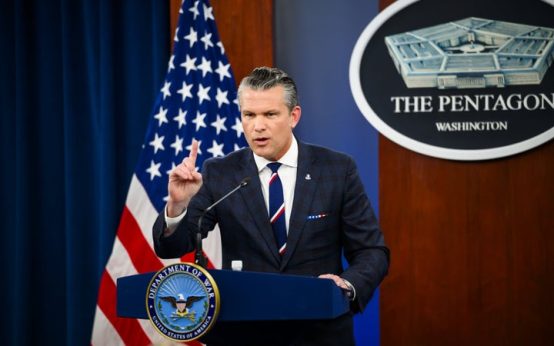 Defense Secretary Pete Hegseth Addresses Impeachment Efforts
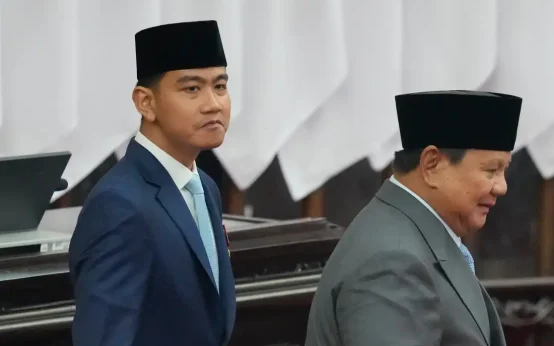 Political Turmoil in Indonesia: Vice President Raka’s Resignation Offer
 U.S. Government Struggles with Immigration Litigation Amid Resource Constraints