
In a recent forum hosted by the United Auto Workers (UAW), the Democratic candidates vying for Michigan’s upcoming U.S. Senate seat engaged in a lively debate over campaign contributions from corporate political action committees (PACs). The candidates’ differing stances on this issue underscored the significant contrasts in their political approaches and policies.
Debating Corporate PAC Contributions
The discussion was initiated when a laborer raised concerns about the influence of corporate money in governmental affairs. Two of the three contenders, physician Abdul El-Sayed and state Sen. Mallory McMorrow, made it clear they are not accepting corporate PAC donations for their campaigns. In contrast, Rep. Haley Stevens chose not to give a direct answer regarding her campaign funding, specifically when asked about support from corporate PACs, which includes donors such as Ford Motor Co., General Motors, and Walmart.
Instead, Stevens emphasized her commitment to opposing the 2010 Supreme Court decision in Citizens United, which eased restrictions on campaign finance and is often criticized by Democrats. Following the discussion, Stevens’ campaign circulated a rapid response email reiterating her position on curbing the impact of large donations in politics and her advocacy for anti-corruption measures.
Candidate Positions and Support
Stevens explained her grassroots approach, claiming 95% of her contributions are $200 or less, primarily from workers like grocery clerks and nurses. “I cannot be bought,” Stevens stated to the audience.
McMorrow pointed out Stevens’s avoidance of a clear-cut response about corporate PACs, questioning whom the next senator would truly represent, particularly in terms of retirement benefits and pensions. Through this issue of corporate funding, the candidates highlighted their varying principles while maintaining a collective support for organized labor.
The forum was part of the UAW’s Community Action Program conference, held in Washington, D.C., where the candidates shared a platform for the first time to appeal to union members, vital players in Michigan’s auto industry politics. Former Republican Rep. Mike Rogers, considered a key contender for the GOP, declined to attend the forum, leaving an empty chair in his place. A later social media post from Rogers suggested he did not receive an invitation, despite UAW officials claiming otherwise.
Primary Campaign Dynamics
The Senate seat up for grabs became available with Sen. Gary Peters’ decision against a third term. The August 4 primary is expected to be a pivotal moment for the Democratic Party, which is grappling with defining its identity on a national stage. Polls indicate a tightly contested primary with no clear frontrunner yet.
During the debate, El-Sayed, positioned as a progressive candidate and backed by figures such as Sen. Bernie Sanders, emphasized his long-standing rejection of corporate PAC contributions. This aligns with his platform, which includes support for Medicare for All, although he has clarified his stance following critiques from McMorrow.
Stevens is more aligned with the party’s centrists, highlighted by support from notable figures like former House Speaker Nancy Pelosi. In her forum presentation, she directed her critiques towards Rogers and former President Donald Trump, especially noting her contributions during the Obama administration’s efforts to rescue Detroit’s automakers during the Great Recession.
McMorrow attempts to navigate a centrist path between the two, despite her past acceptance of corporate PAC funds in earlier state campaigns. She has introduced legislation intending to limit stock buybacks by firms receiving state tax incentives, which she argues would benefit workers more than shareholders. El-Sayed criticized this approach, advocating for a more progressive view that would ban all stock buybacks.
Broader Issues and Voting Rights
While the debate primarily revolved around economic and labor concerns, it began with discussions on voting rights, responding to Trump’s suggestion of nationalizing elections. All three Democratic candidates reinforced their support for voting rights and their opposition to any attempts by Republicans to centralize election control.
Each candidate outlined past legislative efforts to safeguard voting rights. El-Sayed, in particular, concurred with prohibiting organizations like ICE on the streets, suggesting such movements could lead to curbing democratic freedoms and emphasizing his stance to abolish ICE to protect citizens’ rights.
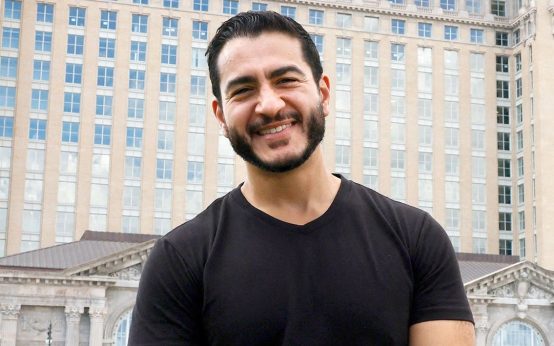 Abdul El-Sayed’s Stance on Capitalism Amid Socialist Ties
  Key Issues Emerge in Maine Senate Debate
  Steve Hilton Emphasizes Principled Policies Amid California’s Political Landscape
  Former German Spy Chief Arrested for Espionage and Treason
  Debra Messing Endorses Republican Bruce Blakeman, Citing Concerns for New York
  Trump Criticizes Fox News for Airing Democratic Candidates