
Democracy relies heavily on mathematical processes. Key activities like counting votes, distributing seats in legislatures, and designing district maps are dependent on mathematical decisions. These choices can result in significantly varied outcomes.
Math serves as a universal language that moves the focus away from political bias and towards collaboration, objectivity, and common truths. It highlights democracy’s structural issues and offers methods to build systems that are more equitable and robust.
The influence of mathematics also extends to shedding light on how systems can become vulnerable to manipulation. By understanding these weaknesses, it becomes possible to develop legislative and electoral frameworks that ensure greater fairness and resilience against attempts to distort democratic processes.
In essence, incorporating mathematical principles in democratic practices not only clarifies existing problems but also helps in devising solutions that strengthen democratic institutions by emphasizing accuracy, transparency, and impartiality.
 Democratic Wins in South Carolina Shake Up Political Landscape
 Eileen Laubacher Declares Victory Over Lauren Boebert in Colorado’s 4th District
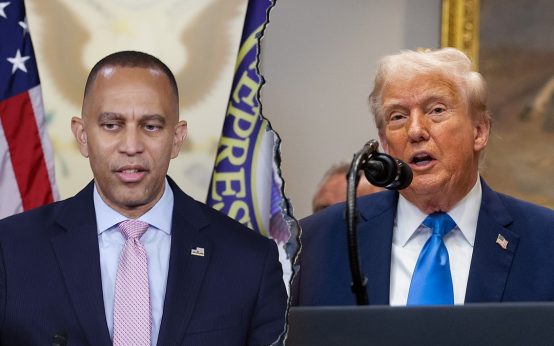 House Democrats Set Aggressive Agenda Under Rep. Hakeem Jeffries
 Democratic Sen. Chris Coons Outlines Post-Midterm Priorities
 Far-Left Candidate Mélenchon Reveals Economic Platform
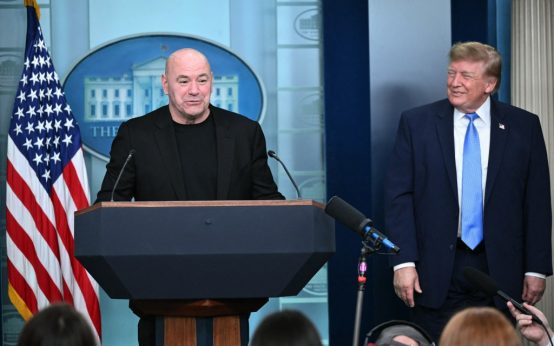 President Trump Brings UFC CEO Dana White to Press Briefing