After a 12-year gap marked by the 4 Nations Face-Off and the coronavirus pandemic, NHL players are eagerly returning to the Olympic ice. The last two Winter Olympics in PyeongChang 2018 and Beijing 2022 were devoid of these top-tier athletes due to conflicts among international bodies. This year, however, anticipation is high as Canada’s captain Sidney Crosby reflects on the past challenges. “It was difficult,” Crosby said, remembering the uncertainty. “You try not to get your hopes up too much, but you also had to be ready in case we did go.” The excitement is evident as the tournament set to start on Wednesday approaches.
Tournament Format
The 2024 format remains consistent with the structure used in 2014. There is a 12-team pool comprising the top eight countries in the IIHF rankings, the host nation Italy, and three additional nations (Slovakia, Latvia, and France) that secured their spots through other tournaments. These teams will be segmented into three groups. In Group A, Canada holds the top spot, Finland leads Group B, and the United States is at the pinnacle of Group C.
Each team will play the others in its group once between February 11-15. A regulation win garners three points, an overtime or shootout win provides two, and an overtime or shootout loss results in one point. The leading team from each group, along with the highest-ranking second-place team, will progress directly to the quarterfinals, known as the “round of eight.” Meanwhile, the remaining eight teams will vie in the “playoff round,” where four will advance to face the already-qualified teams in the quarterfinals. Post-quarterfinals, the tournament becomes highly competitive, with eliminated teams heading home and semifinal losers competing for bronze.
Canada vs. USA
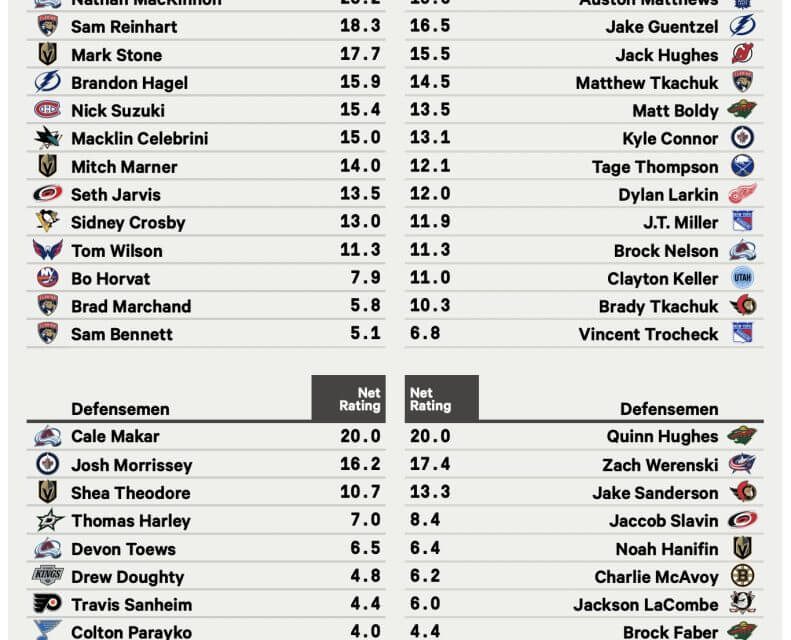
The dynamic between Canada and the United States has evolved over the years, closing the competitive gap significantly. While the U.S. might have entered as a favorite in another parallel universe, their strategy and lineup have sparked discussions. Key players such as Jason Robertson of Dallas, Cole Caufield of Montreal, and Alex DeBrincat of Detroit are not part of the roster. Still, the efficacy of the U.S. lineup against Canada’s remains a topic of debate. Canada’s roster advantage includes heavy hitters like Connor McDavid and Nathan MacKinnon, who are unmatched in performance.
The U.S. lineup showcases depth with names such as Auston Matthews and Jack Eichel, potentially leveling the playing field, but not overtaking it. Comparisons often extend into depth where Canada boasts a “third-line center” like Sidney Crosby, an edge not present in the U.S. lineup. Canada’s defense includes Cale Makar, renowned globally, and although the U.S.’ defensive prowess balances with talents like Quinn Hughes, real weaknesses don’t significantly surface for either team. In goaltending, Canada’s Jordan Binnington faces challenges; his inconsistency has been worrisome, while the U.S. contends with Connor Hellebuyck’s lukewarm season.
Other Medal Favorites
Sweden’s recent recovery from injuries, bringing back star players Victor Hedman and William Nylander, elevates their status as contenders for a bronze finish. Despite formidable names in defense like Hedman and Erik Karlsson, the absence of superstar forwards slightly mutes their offensive threat. Finland faces a void with Aleksander Barkov’s injury; however, players like Miro Heiskanen and Mikko Rantanen continue to bring skill and competence. Czech Republic offers a compelling case with David Pastrnak excelling and Lukas Dostál showcasing strong goaltending capabilities. However, defensive shortages may be their Achilles’ heel.
The Rest of the Field
Teams like Switzerland, with key players like Roman Josi, have potential but lack depth to become serious threats. Slovakia, while having strong performers like Juraj Slafkovský, suffers from an absence of elite goaltending. Germany builds around Leon Draisaitl and Tim Stützle but remains some distance from medal contention. Denmark features Nikolaj Ehlers and solid support like Frederik Andersen but lacks broader strength. Latvia and France, while possessing familiar names, aim more at participation than contention. Lastly, host nation Italy is more focused on showcasing talent with homegrown players rather than expecting medal runs.
The Schedule
The matches kick off on February 11, with Finland facing Slovakia in what promises to be an intense opening game. February 12 introduces quadruple-headers, offering a first glimpse of Canada against Czechia and the U.S. against Latvia. Sweden vs. Finland, a highlighted match on February 13, could determine the outcome of Group B. The February 14 game between Slovakia and Sweden may influence future quarterfinal positions, while February 15 presents several critical matchups, including Germany versus the U.S., which could affect overall rankings.
How to Watch
Viewers in Canada can catch the excitement of men’s Olympic hockey on CBC, TSN, and Sportsnet, or through the CBC Gem streaming service. In the United States, NBC serves as the primary broadcaster, airing games on USA Network and CNBC, with select quarterfinals and semifinals available on NBC. Streaming options include Peacock and NBC Sports platforms, providing fans easy access to the action.
 Steve Lotysz: From Gates to Galleries
  Ireland Faces Calls to Boycott Matches Against Israel
  Jaxson Dart’s Knee Injury Could End Giants Season
 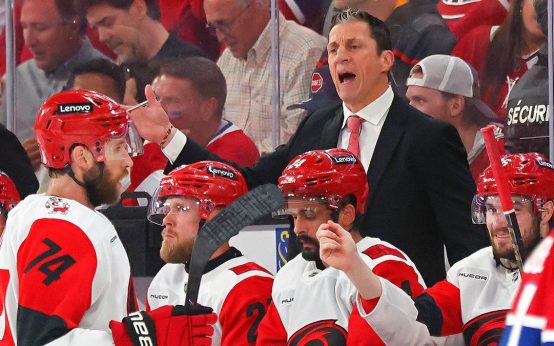 Rod Brind’Amour Suggests Ending NHL Preseason
 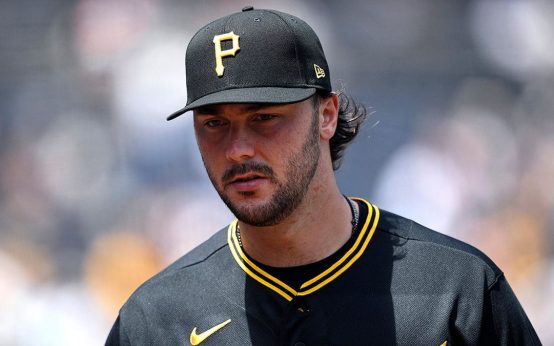 Impact of the World Baseball Classic on Paul Skenes’ Performance
  Ronald Acuna Jr. Faces New Injury Challenge Amid Braves’ Playoff Push