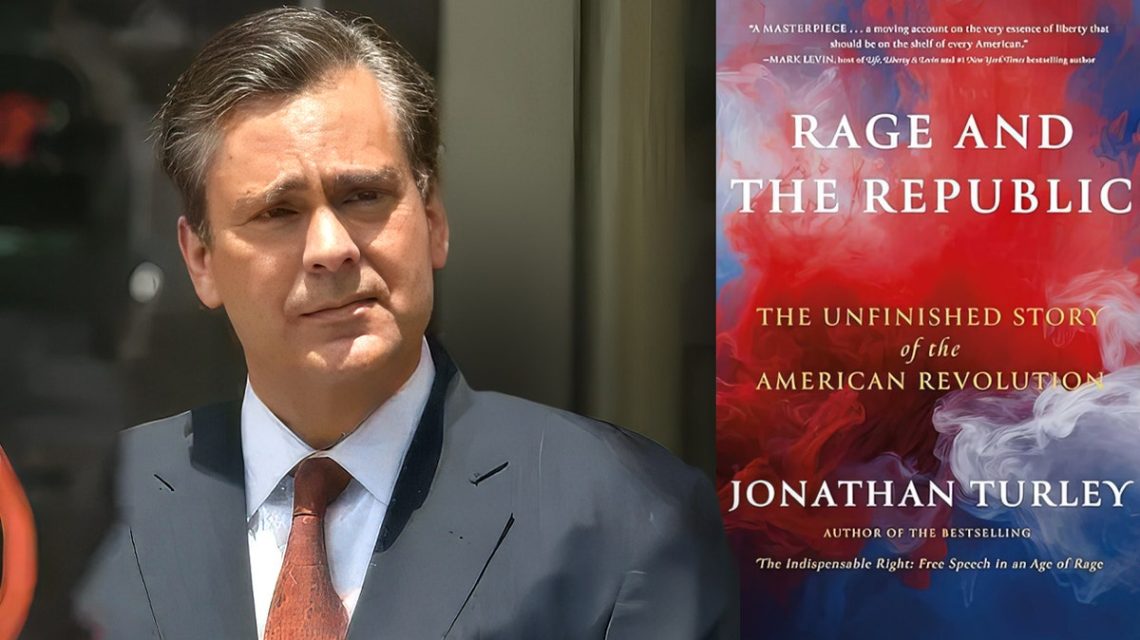
The recent election results have fueled discussions among Democrats about their future strategies. Although Republicans suffered losses, similar shifts have occurred with previous administrations. For instance, the Republican Party’s loss of 46 seats is less severe than under presidents like Franklin D. Roosevelt, who lost 79 seats, and Barack Obama, who lost 69 seats. History shows that some presidents, despite significant losses, have won re-election.
After recent victories, Democrats are strategizing to secure the White House and Congress, aiming for lasting reforms. These plans include diminishing the Electoral College’s influence, which amplifies the political power of populous states like California and New York.
Potential Changes
As outlined in the book Rage and the Republic, discussions among academics and pundits on modifying the Constitution have persisted for years. Key proposals aim to dismantle minority protections and secure Democratic dominance by adding states such as the District of Columbia and Puerto Rico. Packing the Supreme Court is also part of the agenda to facilitate changes that might face legal challenges.
Michael Klarman, a Harvard professor, suggests a system overhaul to ensure Republicans struggle in future elections but acknowledges the Supreme Court as a hurdle to these initiatives. Such changes are possible only with a Democrat in the presidency.
Electoral College and State Compacts
With the election of numerous Democratic governors, there may be sufficient support to enter into a compact aimed at neutralizing the Electoral College. This compact would commit states to allocate electoral votes based on the national popular vote outcome.
The framers of the Constitution designed the Electoral College to balance power and protect smaller states from being overshadowed by larger, more populous states. This system encourages presidential candidates to consider the interests of smaller states.
A majority of Americans, according to polls, prefer electing presidents by popular vote. Despite sharing this sentiment, a shift toward direct democracy may destabilize the constitutional system.
Debating the Risks
The ongoing push for direct democratic reforms, supported by some far-left groups and establishment figures, poses potential risks. Critics fear that these efforts could undermine constitutional values. Notable figures, even those initially supportive, have reconsidered their positions due to historical parallels with the French Revolution’s mistakes.
Figures such as Thomas Paine once backed similar measures but later regretted the role they played in the chaos of the French Revolution. The framers rejected direct democracy, warning against its potential to lead to mob rule.
While there are reasons for considering presidential elections by popular vote, the erosion of constitutional values following the midterms cannot be ignored.
Conclusion
Jonathan Turley, a legal scholar and contributor to Fox News Media, explores these issues extensively in his new book, Rage and the Republic: The Unfinished Story of the American Revolution. With his expertise, Turley provides historical context and critique, emphasizing the potential dangers of current political movements.
Turley has testified before Congress on constitutional and statutory issues numerous times and has appeared as an expert witness in key impeachment hearings. His background includes degrees from the University of Chicago and Northwestern, and he has contributed significantly to discussions about civil liberties and public interest law.
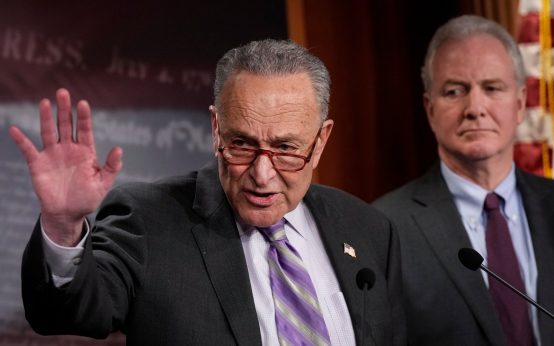 Chuck Schumer Faces Potential Leadership Challenge from Chris Van Hollen
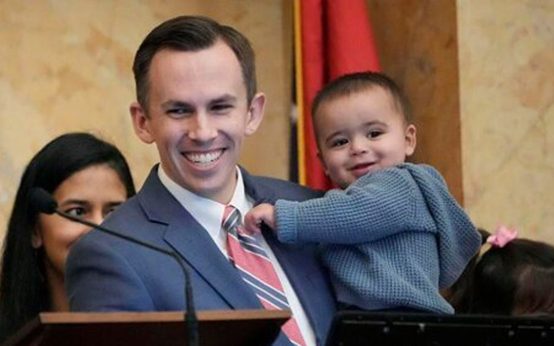 Mississippi State Auditor Shad White Announces Gubernatorial Bid
 Trump Dismisses Third Impeachment Prospects
 Custody Dispute Involving Rep. Max Miller Delayed
 Attorney General Addresses Post-Midterm Democratic Threats
 Senator Elizabeth Warren and the Future of Crypto Regulation