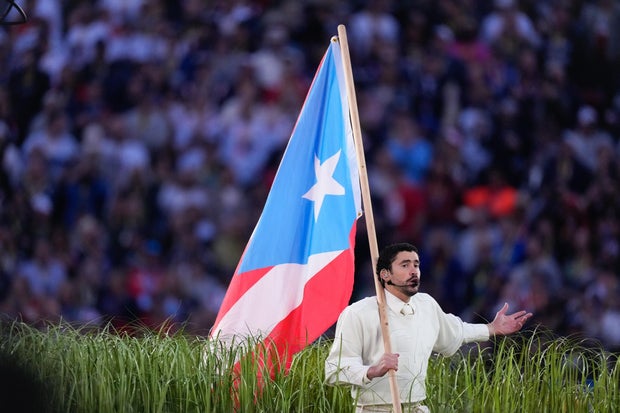
The anticipation surrounding Bad Bunny’s performance at the 2026 Super Bowl halftime show was palpable, especially after his “ICE out” remark at the Grammys made waves. Fans and critics speculated whether this event would serve as a political platform for the renowned artist. Petra Rivera-Rideau, an expert in Latin music and American pop culture, emphasized Bad Bunny’s knack for surprises, suggesting he might convey powerful messages without overt theatrics.
Prominent voices, such as Mike Alfaro, who gained attention for translating Bad Bunny’s lyrics into English, noted that the mere presence of the Puerto Rican artist could serve as a significant statement. Performing in Spanish, Bad Bunny drew reactions ranging from praise for this groundbreaking inclusion to criticism from figures like former President Trump, who deemed the selection inappropriate.
Bad Bunny is one of the greatest artists in the world,said NFL commissioner Roger Goodell, expressing confidence in the artist’s potential to unite audiences through his performance.
Bad Bunny’s Political Voice
Bad Bunny’s discography is deeply intertwined with political commentary. His performances, such as the one during his tour in Puerto Rico, often sidestep U.S. appearances due to his concerns over potential targeting of his fans by federal authorities. His 2018 appearance on Jimmy Fallon’s show spotlighted the lingering aftermath of disasters in Puerto Rico, reminding audiences of the island’s struggles post-Hurricane Maria.
With an eye on Puerto Rican issues, Bad Bunny’s latest album channels political themes, addressing topics like gentrification in tracks such as “LO QUE LE PASÓ A HAWAii.” Rivera-Rideau explains how his music acts as a form of resistance, reflecting broader social and political contexts.
Mobilizing Puerto Rico
Bad Bunny’s influence extends beyond music to activism. His participation in 2019 protests against Puerto Rican Governor Ricardo Rosselló highlighted the role of music and art in political movements. Bomba, a traditional Afro-Puerto Rican music genre, played a significant role in these protests and features prominently in his work.
Using his platform to address pressing social issues, Bad Bunny notably highlighted the murder of a transgender woman on “The Tonight Show,” showcasing his commitment to advocating for marginalized communities.
The Broader Impact of Bad Bunny’s Halftime Show
Bad Bunny’s halftime show holds profound importance for the Latino community, marking the first time a predominantly Spanish-language artist headlines this high-profile event. Rivera-Rideau underscores the significance of using this stage to challenge racial profiling and celebrate cultural pride.
Spanish remains the most spoken non-English language in the U.S., making Bad Bunny’s performance not only a cultural moment but also an opportunity to educate and engage audiences. Fans and experts alike appreciate the broader implications of his performance, seeing it as a step towards recognizing and celebrating Latino contributions on a global scale.
The excitement surrounding Bad Bunny’s performance is influencing more than just music tastes. As interest in learning Spanish grows, platforms like Duolingo have reported an increase in Spanish learners, spurred by the artist’s influence.
 Controversy Surrounding Javier Bardem’s Support for Petition Against Pink
  Ella Langley’s ‘Choosin’ Texas’ Makes Billboard Hot 100 History
  Kurt Angle Reflects on His Wrestling Career in WWE and TNA
  Bunnie Xo’s Post-Divorce Life: Fun and Freedom
  Alan Ritchson Ignites Controversy with Political Remarks
  Ella Langley’s Historic Run on the Billboard Hot 100