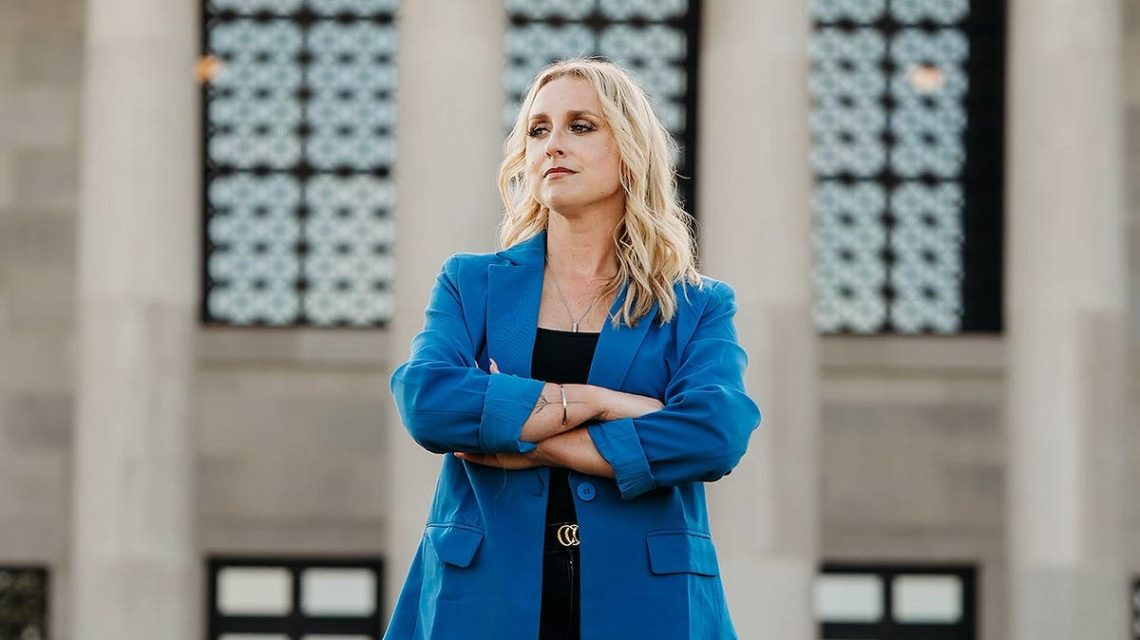
Two years after her significant loss to Republican Rep. Scott DesJarlais, Democrat Victoria Broderick is currently leading in Tennessee’s traditionally Republican district by 280 votes, according to unofficial final results. Broderick’s campaign spent less than $100,000 and did not invest in paid TV advertisements. If her lead is confirmed, it will mark the end of DesJarlais’ 16-year congressional career. He first took office in 2010 and was running for his ninth term in a district that Donald Trump won by 24 points in 2024.
FEC data before Election Day reveals DesJarlais’ campaign expended $508,166 by October 14, contrasting with Broderick’s $90,062. Despite DesJarlais raising over seven times more funds—$667,181 to Broderick’s $94,217—the incumbent finds himself trailing.
Redistricting efforts backfire on Republicans amid historic House losses.Axios reported.
In the 4th Congressional District, Broderick’s grassroots-focused campaign is showing surprising success. According to Axios and data from AdImpact, her campaign lacked paid television advertising. She instead attributed her lead to a grassroots operation over two years in the making.
Broderick is not the only Democrat challenging Republican incumbents with minimal spending. A similar situation is unfolding in North Carolina, where High Point Mayor Cyril Jefferson is ahead of Republican Rep. Addison McDowell with 51.1% to 48.9% of the vote. Jefferson’s campaign did not track significant advertising expenses, except for $2,000 in Google ads.
McDowell previously secured his district by 38.3 points in 2024, but Jefferson, like Broderick, relies on volunteer engagement for his campaign progress. Broderick expressed confidence about her team’s strategy, stating, “I know it was a shock for the rest of the country, but it wasn’t a shock for our team.” Similarly, Jefferson highlighted the importance of community involvement.
Local experts note that typically, campaigns in these Republican-heavy districts would require significant funding and TV advertisements. Yet, as highlighted by John Dinan, a political science professor at Wake Forest University, “there wasn’t a whole lot of money spent” in these cases. The efforts of grassroots initiatives illustrate their potential to make even entrenched districts competitive despite financial constraints.
Editor’s Note: This report has been updated to reflect that the Associated Press has not yet declared a winner in either race.
 Mississippi State Auditor Shad White Announces Gubernatorial Bid
 Trump Dismisses Third Impeachment Prospects
 Custody Dispute Involving Rep. Max Miller Delayed
 Attorney General Addresses Post-Midterm Democratic Threats
 Senator Elizabeth Warren and the Future of Crypto Regulation
 Bipartisan Opportunities in Foreign Policy