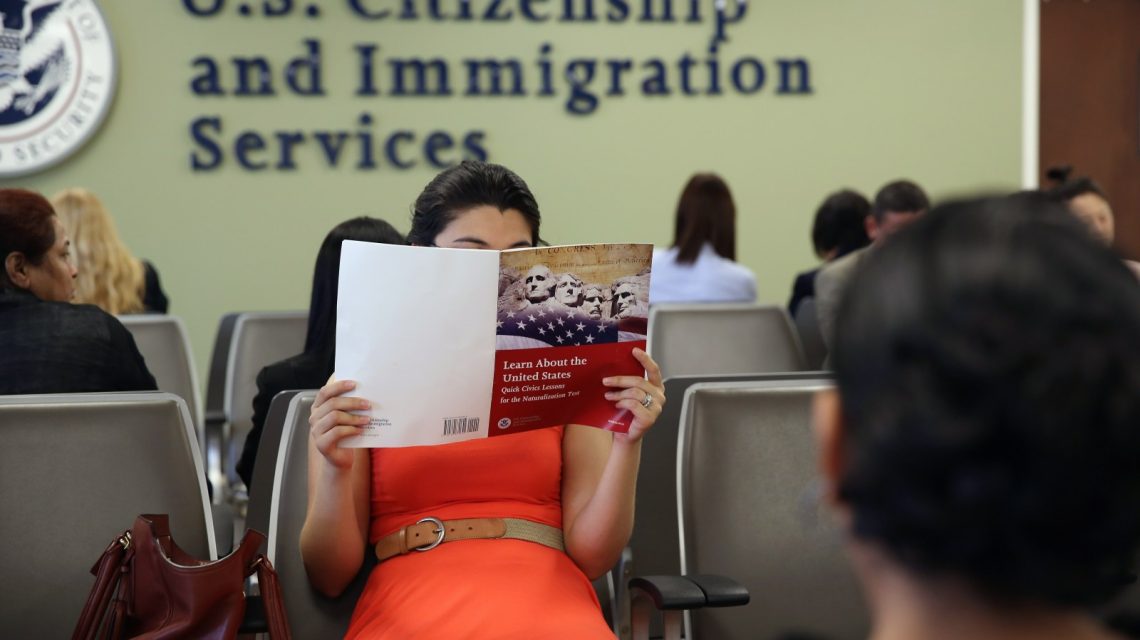
As of the end of June, there were more than 1.5 million green card applications pending across the United States. The U.S. Citizenship and Immigration Services (USCIS) reported 1,560,290 Form I-485 applications pending as of June 30. Form I-485 is used by eligible immigrants in the U.S. to seek permanent resident status, commonly known as a green card. Pending applications are those received by USCIS but not yet decided.
USCIS, the federal agency overseeing the country’s immigration system, processes applications for green cards, citizenship, work permits, asylum, and other immigration-related benefits. The recent data highlights areas where the backlog is concentrated during continued scrutiny of immigration applications under Trump administration policies.
Geographic Distribution of Pending Applications
Data for the period from April 1 to June 30, 2026, shows the concentration of pending applications across USCIS field offices. Florida had a significant number of pending applications with 265,495 cases spread across nine field offices. In Tampa, there were 46,609 pending applications, Kendall had 45,973, and Hialeah had 43,153.
In Texas, 140,743 cases were pending. Houston saw 57,601 pending applications, Dallas had 38,257, and San Antonio had 30,622. California’s field offices reported 161,398 pending applications, with San Jose having 23,633 cases, Los Angeles 20,529, and San Francisco 18,364.
USCIS reports cases based on the field office handling them, not necessarily where applicants reside. The map used to display this data did not include service centers, which process applications from any U.S. location. Service centers contribute significantly to the backlog, with Vermont Service Center alone handling 246,100 cases.
Breakdown of Application Types
Humanitarian applications represented the largest portion of pending cases, with 618,097 cases, nearly 40%. Family-based applications accounted for 611,067 cases, roughly 39%. Employment-based applications made up 268,408 cases or 17%, while 62,718 were categorized as other.
Together, family and humanitarian cases comprised almost 80% of all pending I-485 applications. The data captures the situation on June 30, without detailing the waiting times or the reasons for delays.
Impact of Trump Administration Policies
The Office of Homeland Security Statistics reported that about 1.36 million people received lawful permanent status in fiscal 2024, an increase from 1.17 million in 2023 and the highest annual total from 2015 to 2024. Upon re-entering office, President Donald Trump implemented immigration policies to restrict humanitarian parole and suspend the U.S. refugee admissions program.
On a wider scale, over 12.8 million cases were pending across USCIS by June 30, 2026, according to the Niskanen Center. This occurred despite a 34% decrease in incoming applications compared to the previous year’s same quarter. The approval rate for processed green card applications fell by 2.6 percentage points from the preceding quarter.
Updated Guidance and Processes
In May, USCIS introduced new guidance indicating that approval of an application to adjust status is discretionary. The guidance states that some immigrants in the U.S. on temporary status might need to apply for a green card through consular processing outside the country, except for extraordinary circumstances. Applications continue to be evaluated on a case-by-case basis.
These adjustments in immigration policy coincide with a broader effort to increase ICE arrests and deportations and to complicate the acquisition of legal immigration benefits.
For further information on this topic, contact Newsweek editors Matthew Cannon and James Debens.
 Tragic Car Crash in Southern California Claims Teen Life
 Custody Dispute Involving Rep. Max Miller Delayed
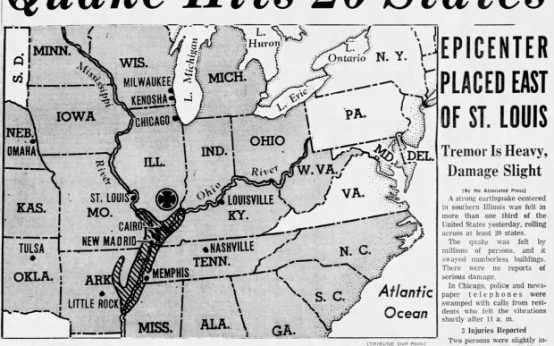 Historical Events in the Chicago Area on November 9
 University of Mississippi Investigates Racist Incident Caught on Ring Camera
 Hidden Camera Discovery in Tokyo Hotel Raises Privacy Concerns
 Death Row Advisor Urges Texas Governor-Elect to Halt Executions