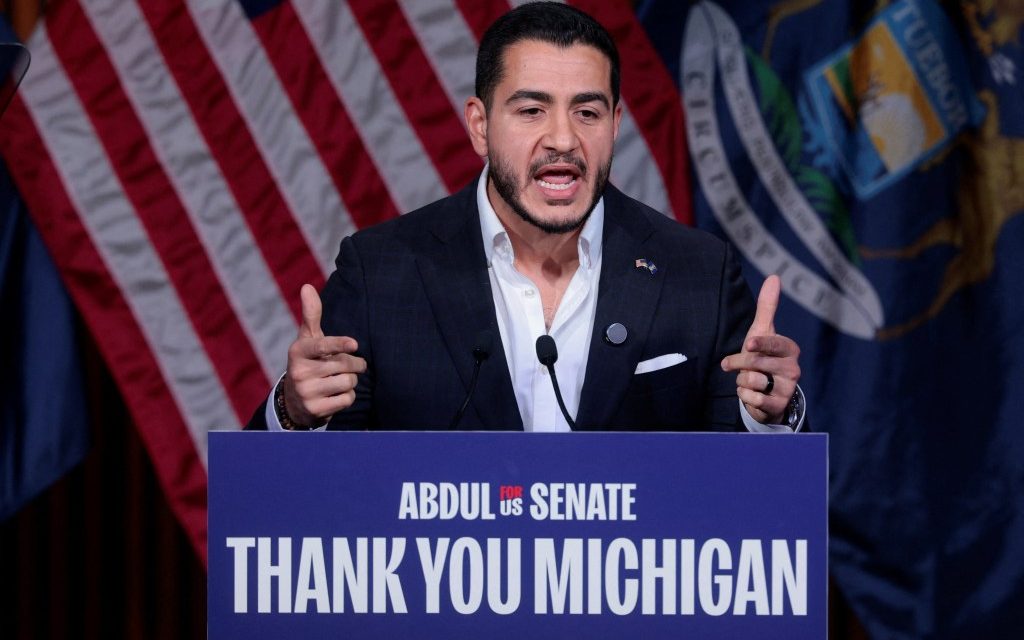
The recent success of the Democratic Party has paved the way for significant changes. Democrats aim to solidify their position and address longstanding grievances. The election results showcased a significant shift, with Michigan’s Sen.-elect Abdul El-Sayed and Minnesota Sen.-elect Peggy Flanagan emphasizing transformative policies.
During his victory speech, El-Sayed humorously addressed Vice President JD Vance, indicating the Democrats’ readiness to implement changes. Flanagan’s remarks about dismantling ICE reflect their commitment to reform. Additionally, figures like Rep. Jamie Raskin have expressed intent to hold former leaders accountable.
“Musk is a ‘traitor to the West,’ said NYU marketing professor Scott Galloway, suggesting Musk should be executed,” a statement highlighting ongoing tensions with influential billionaires.
With Hakeem Jeffries leading the House, balancing a diverse party will be crucial. Recent events, such as former Michigan Rep. Haley Stevens’s criticism of El-Sayed and the subsequent backlash she faced, illustrate internal party dynamics. James Carville’s remarks on Stevens underscore the broader challenges within the party.
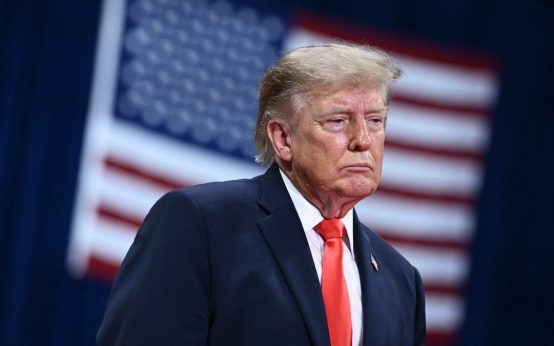
Despite achievements, President Trump’s policies faced public scrutiny. He struggled to mitigate voter dissatisfaction, especially around issues like gas prices and the Iran conflict. With approval ratings at 38%, Trump’s influence has waned in recent times.
In various states, Democratic victories echoed public sentiment. Maine Sen.-elect Troy Jackson and other candidates capitalized on voter concerns like rising costs due to the Iran conflict. The economic challenges many face fueled Democratic narratives effectively.
Former House Speaker Newt Gingrich identified economic factors, such as gas prices, as central to Republican losses. With the national average reaching $4.55 per gallon by Labor Day, widespread discontent was palpable.
As November witnessed Democratic candidate successes like James Talarico in Texas and Annie Andrews in South Carolina, the Republican Party is left evaluating strategies. The impact of economic dissatisfaction was undeniable, with leaders like Jackson emphasizing the burdens on average citizens.
Senator Ed Markey’s comments during a joint appearance with Jackson highlighted perceived corruption within the Trump administration. This is emblematic of the wider issues cited by Democrats throughout their campaigns.
The campaign period saw allegations of financial misconduct within Trump’s circle, notably involving his son, Don Jr., and others. These instances provided fodder for Democrats aiming to initiate future investigations.
Looking forward, Trump’s camp faces the challenge of recalibrating priorities. Emphasis must be on concluding the Iran conflict, addressing economic concerns, and focusing immigration policies without alienating core supporters.
Historical precedents set by former Presidents Obama and Clinton suggest Trump could still achieve key objectives. Both leaders recovered from midterm setbacks to leave lasting legacies. As potential candidates from both parties prepare for the 2028 elections, strategic planning remains crucial for future Republican momentum.
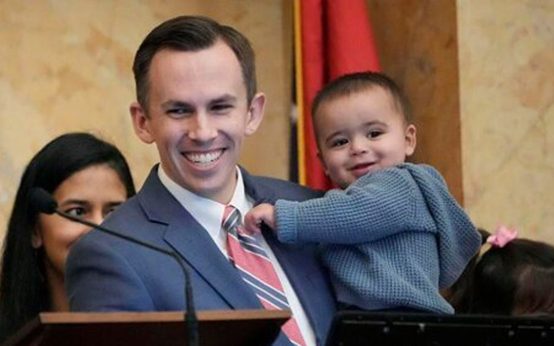 Mississippi State Auditor Shad White Announces Gubernatorial Bid
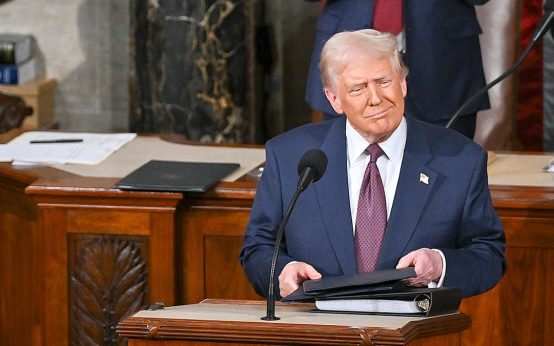 Trump Dismisses Third Impeachment Prospects
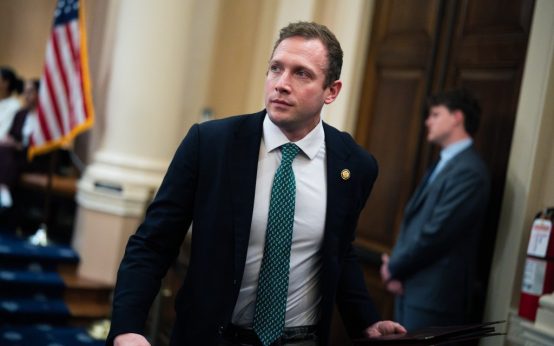 Custody Dispute Involving Rep. Max Miller Delayed
 Attorney General Addresses Post-Midterm Democratic Threats
 Senator Elizabeth Warren and the Future of Crypto Regulation
 Bipartisan Opportunities in Foreign Policy