
Senator Jon Ossoff of Georgia secured a significant re-election win, defying initial predictions about his vulnerability as an incumbent. Many considered him the most at-risk Democratic senator in the 2026 elections. He was, notably, the only Democrat running in a state that Donald Trump carried in the previous presidential election.
Despite these challenges, Ossoff emerged victorious by a substantial margin. The respected Decision Desk announced his win over his challenger, Republican Representative Mike Collins, just 18 minutes after the polls closed. Ossoff achieved a commanding 59 to 41 percent lead.
Several factors contributed to this decisive victory:
- Grassroots Support: Ossoff’s campaign effectively mobilized grassroots support across Georgia. This widespread engagement played a crucial role in reaching voters, particularly in urban and suburban areas.
- Strategic Messaging: The campaign’s messaging resonated well with constituents. Ossoff focused on issues like healthcare access, economic opportunity, and voting rights, which found strong support among Georgia’s diverse electorate.
- Organizational Strength: The campaign displayed strong organizational capabilities, enabling efficient voter outreach and mobilization efforts. This ensured high voter turnout, which was pivotal to countering the challenge posed by his opponent.
- Demographic Changes: Shifts in Georgia’s demographics have increasingly favored Democratic candidates. Growing urban populations and a more diverse electorate contributed significantly to Ossoff’s success.
This victory not only signifies Ossoff’s strength as a candidate but also offers insights for future electoral strategies. It underscores the importance of connecting with a broad base of voters, effective messaging, and robust grassroots efforts.
 Mississippi State Auditor Shad White Announces Gubernatorial Bid
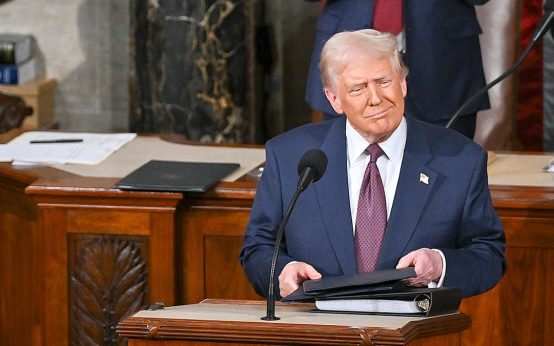 Trump Dismisses Third Impeachment Prospects
 Custody Dispute Involving Rep. Max Miller Delayed
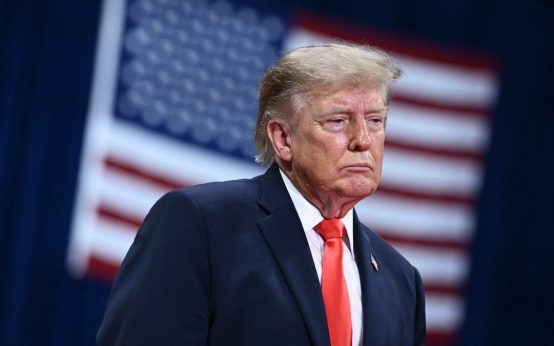 Attorney General Addresses Post-Midterm Democratic Threats
 Senator Elizabeth Warren and the Future of Crypto Regulation
 Bipartisan Opportunities in Foreign Policy