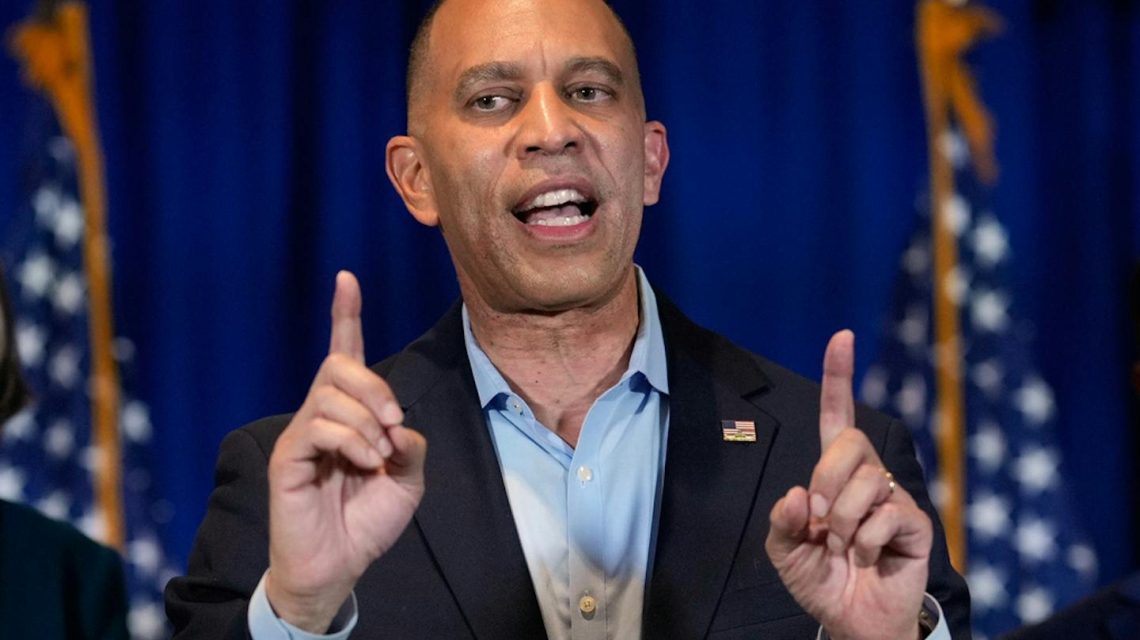
The recent midterm elections have ushered in significant changes in Washington, D.C. Democrats in Congress are poised to respond to voter demands, while Republicans have seen a substantial loss of their majorities. The elections marked a decisive shift against President Donald Trump and the GOP’s unified control, setting the stage for change.
House Democratic Leader Hakeem Jeffries of New York is likely to become the new Speaker of the House. This potential role would make him the first Black Speaker, a historic moment as Democrats take control in the upcoming Congress starting January 3, 2027.
The results indicate a wide Democratic gain, reflecting voter dissatisfaction with the GOP. Democrats plan to pursue an agenda focusing on reducing costs for gas, groceries, and healthcare. They also intend to conduct oversight and investigations associated with Trump and his administration, with impeachment on the table.
“We hear you,” Jeffries declared, emphasizing voters’ demand for change. He described the election as a strong repudiation of MAGA extremism and a victory for the American people.
Senate Democratic Leader Chuck Schumer recognized that while voters rejected Trump, they might not be fully embracing the Democrats yet. He stressed the importance of his party proving itself worthy of the voters’ trust, especially given key Democratic wins in states like South Carolina, Texas, and Kansas.
Overall, the election results redraw the power dynamics in Washington, offering new challenges and opportunities. The Democratic gains were staggering, erasing veteran GOP across the country. The election results reflect voter concerns about the economy and democracy.
President Trump adopted a cooperative tone, indicating potential bipartisan efforts, but warned of gridlock if he resorts to vetoing Democratic initiatives. He acknowledged the impact of the ongoing Iran war on the elections, associating voter frustration with rising gas prices. However, he maintained support for Defense Secretary Pete Hegseth.
Vice President JD Vance attributed the Republican losses to the Iran war. He indirectly criticized Trump, suggesting the war had considerable electoral costs.
Democrats Plan Aggressive Oversight
As soon as they assume the majority, House Democrats plan to challenge Trump’s cuts to healthcare programs like the Affordable Care Act and Medicaid. Their oversight agenda aims to hold accountable those involved in any alleged misconduct during the Trump administration.
Rep. Robert Garcia from California, top Democrat on the House Oversight Committee, issued a stark warning, advising to be prepared legally. Sen. Ron Wyden, leading the Senate Finance Committee, echoed this oversight agenda with an emphasis on subpoenas.
With voters expressing dissatisfaction—about 70% say Congress lacks adequate checks on the presidency—the pressure on Democrats to act decisively is significant. Jeffries and Schumer are tasked with managing this newly acquired power effectively.
Internal GOP Reckoning
The election results triggered introspection among Republicans, as party leaders grapple with what led to their substantial losses. Vice President Vance’s comments highlighted internal GOP debates about priorities and the impact of the Iran war.
With the GOP facing a lame-duck session, there are limited opportunities to achieve legislative goals before Democrats assume control. As leadership positions are reevaluated, Mike Johnson will not seek reelection as the GOP leader, potentially setting up a contested leadership battle.
While maintaining his role, Johnson is not running for leadership, leaving a vacuum and opening for others to bid for the position.
New Congressional Trailblazers
This election cycle not only reshaped power but also marked several historic firsts. Democrat Juliana Stratton from Illinois becomes one of the three Black women in the Senate. Democrat Peggy Flanagan of Minnesota joins as the first Native American female senator. Chris Pappas of New Hampshire and Abdul El-Sayed of Michigan also break new ground as the first openly gay male and Muslim senators, respectively.
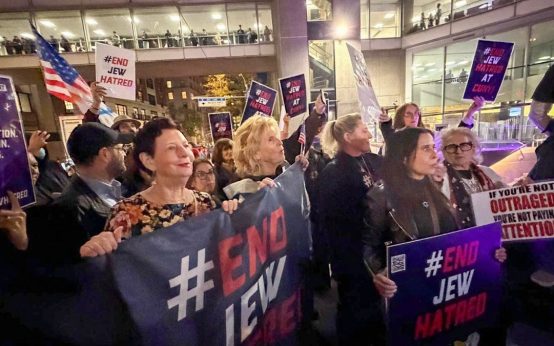 Jewish Activist Criticizes Event Cancellation at CUNY School
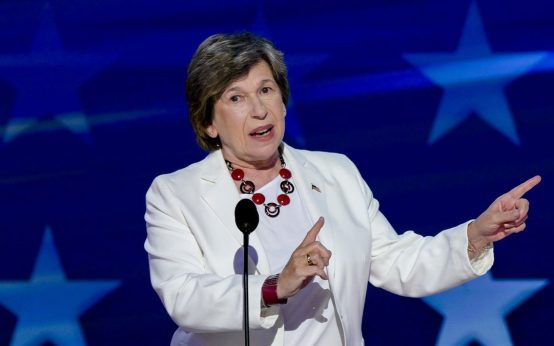 Debate on School Choice in Texas Elections
 Amy Klobuchar Takes On Governorship with Promises for Minnesota’s Growth
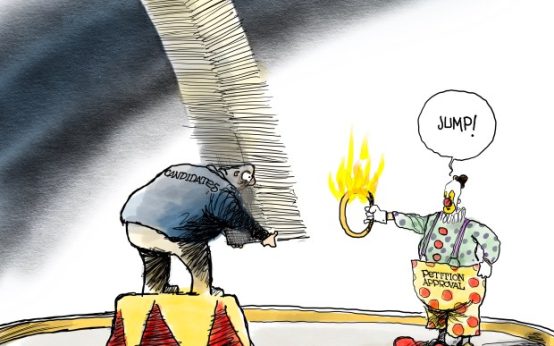 Challenges of Signature Requirements for Political Candidates in Illinois
 Debate Rekindled Over Gray Wolves and Livestock Losses
 White House Faces Backlash Over Controversial Video