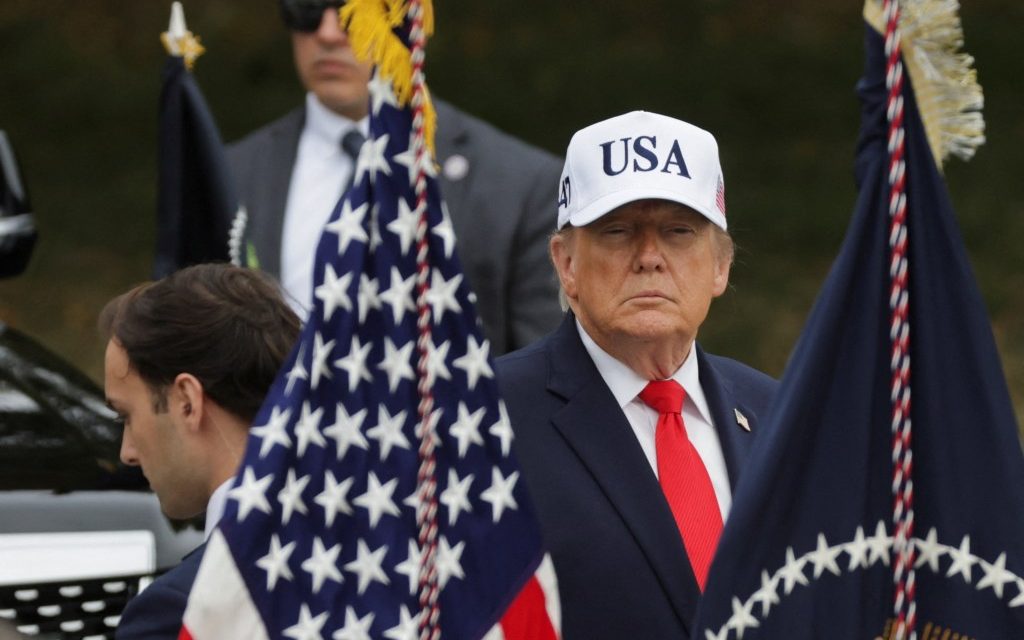
In a significant political shift, Democrats secured control of both the House of Representatives and the Senate during the 2026 midterm elections. This change overturned previously secure Republican seats and led to internal debates about the direction forward. Democrats achieved major wins in Senate races in Iowa, Kansas, Maine, North Carolina, Ohio, South Carolina, and Texas. The House also saw substantial Democratic gains, paving the way for New York’s Chuck Schumer and Hakeem Jeffries to lead their respective chambers.
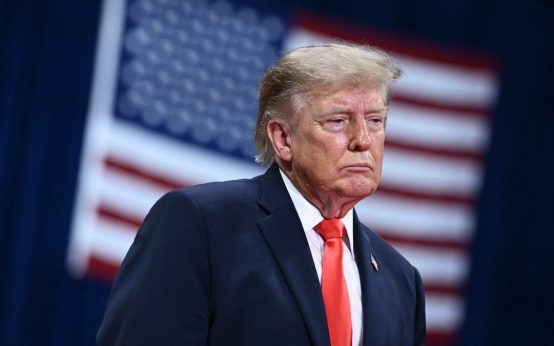
During an election-night event, Hakeem Jeffries declared the return of strong leadership, while Chuck Schumer emphasized the unlikely nature of their triumph, promising relief for the public. President Donald Trump, who had encouraged voters to approach the election as though he were on the ballot, faced criticism in an Associated Press exit poll. The poll revealed that 62% of voters attributed increased prices to his policies, while 71% demanded greater congressional oversight of the presidency. Trump recognized the Democrats’ effective campaign during an interview with Fox News, expressing a willingness to collaborate with them in his remaining term.
Energy prices, especially related to the conflict with Iran, were highlighted by Trump as a crucial factor affecting voters’ choices. While many agreed with his approach to Iran, the short-term impact of increased gasoline prices was a point of contention. He argued that this aspect had overshadowed broader support for his policies.
The elections marked a notable departure from midterm election trends, wherein the party not in presidential power gained dominance in both chambers, a first since 2006. Voting results continued to develop due to delays in counting, particularly in Alaska’s Senate race, which involves ranked-choice voting. Democrats’ longstanding aspirations materialized with victories in deep-red territories, including Texas and Kansas, and ending Republican governorships in Ohio and Texas.
In a post-election statement on Truth Social, Trump declared that his absence from the ballot was significant to the electoral results. Nevertheless, he had urged Republican supporters to consider him present in spirit at a recent rally in Iowa. Despite some of his endorsed candidates appearing on the ballot, such as those in South Carolina and Texas, Trump reiterated his unwavering stance.
On a podcast earlier, Trump had addressed the possibility of becoming a staunch veto presence following 2026. He explained strategies for negotiating legislative proposals amidst congressional opposition. Meanwhile, the Democrats set sights on increased oversight of the administration as they approached upcoming investigations.
Historically low approval ratings for Trump have been linked to economic concerns, challenging his administration’s effectiveness as costs continue to rise. The Iran conflict further complicated Republican dynamics, spurring intra-party discussions over culpability concerning Democratic gains.
Republican frustrations centered around perceived candidate ineffectiveness. Despite historical challenges, House Speaker Mike Johnson acknowledged the difficulties faced in maintaining Republican control and echoed enduring political patterns.
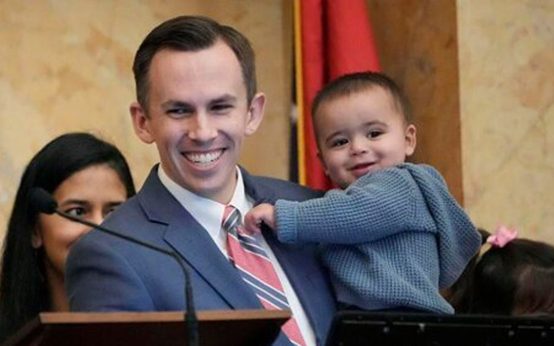 Mississippi State Auditor Shad White Announces Gubernatorial Bid
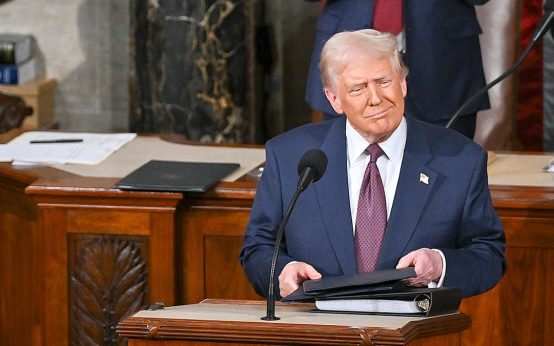 Trump Dismisses Third Impeachment Prospects
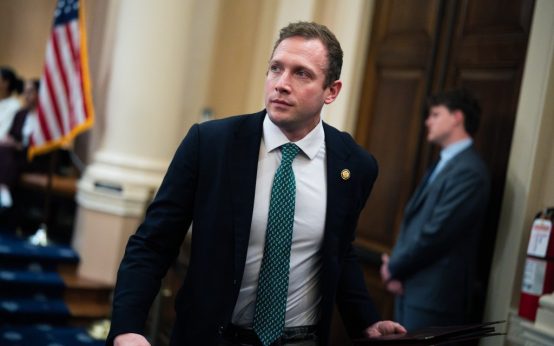 Custody Dispute Involving Rep. Max Miller Delayed
 Attorney General Addresses Post-Midterm Democratic Threats
 Senator Elizabeth Warren and the Future of Crypto Regulation
 Bipartisan Opportunities in Foreign Policy