On Sunday, Venezuelan authorities announced their intention to seek court approval to place prominent opposition figure Juan Pablo Guanipa under house arrest. The move comes shortly after armed individuals apprehended him in Caracas, which his son has described as a kidnapping incident.
This event occurred only hours after Guanipa, an ally of Nobel Peace Prize winner Maria Corina Machado, was released from prison where he had been detained for over eight months under accusations of orchestrating a terrorist plot. The Public Ministry of Venezuela declared that Guanipa violated his release conditions, but omitted further specifics or any mention of a re-arrest.
The development raises questions about the Venezuelan government’s commitments to enact an amnesty law and to liberate political prisoners, particularly as the pressure from the United States increases following the ousting of long-term leader Nicolas Maduro a month ago by the Trump administration.
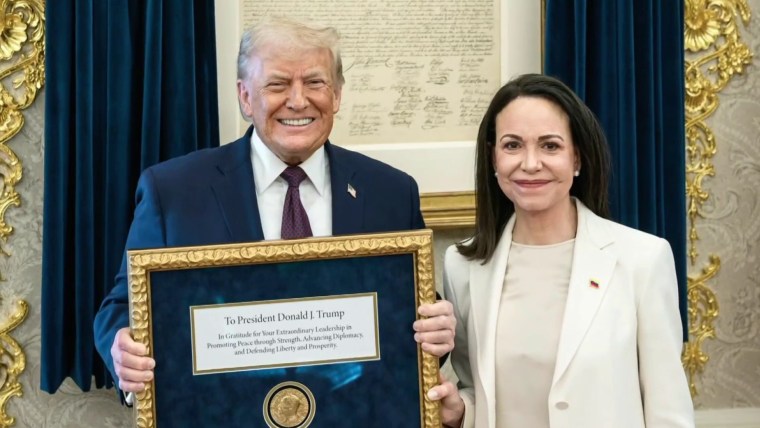
Maria Corina Machado, recognized for her work against Maduro, commented on the incident, stating Guanipa was taken by force by individuals dressed in civilian attire, arriving in four vehicles. “Heavily armed men dressed in civilian clothes arrived in four vehicles and took him away by force,” she shared on social media platform X.
Guanipa’s son, Ramon, expressed his dismay through a video post on social media, stating, “My father has again been kidnapped.” Previously, Guanipa had been actively calling for the release of other political prisoners and labeling the existing administration as illegitimate.
The international community, including countries such as the United States, widely regarded the 2024 re-election of Maduro as fraudulent, thus not recognizing the legitimacy of his government.
Release of Political Figures
In a recent interview, Guanipa mentioned briefly discussing his release with Machado, hoping for a more detailed conversation the following day. Over the years, Venezuela’s opposition groups and human rights organizations have accused the socialist government of stifling dissent through detentions. The government, however, refutes these claims, insisting that those imprisoned are criminals. Officials claim that nearly 900 individuals have been released, though they have not disclosed a specific timeline and appear to be including releases from prior years.
While an official list of how many prisoners will be released or their identities has not been disclosed, the rights group Foro Penal reports that since the Venezuelan government announced a new wave of releases on January 8, 383 political prisoners have been freed. The organization noted that 35 individuals, including opposition politician Freddy Superlano and lawyer Perkins Rocha, were released on Sunday, both of whom are close associates of Machado.
Alfredo Romero, director of Foro Penal, conveyed on social media that they are still awaiting detailed information regarding those responsible for Guanipa’s seizure.
 Google Fined for Breaching EU Privacy Rules
  South China Sea Tensions Rise after Collision between Chinese and Philippine Ships
 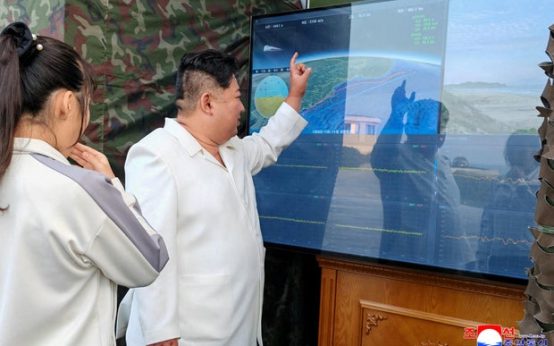 North Korea’s Hypersonic Weapon Test Amid Global Tensions
  Austin Tice: A Search for Answers
  U.S., Denmark, and Greenland Forge New Security Agreement
  Secretary Rubio Discusses Middle East Conflict and NATO Relations