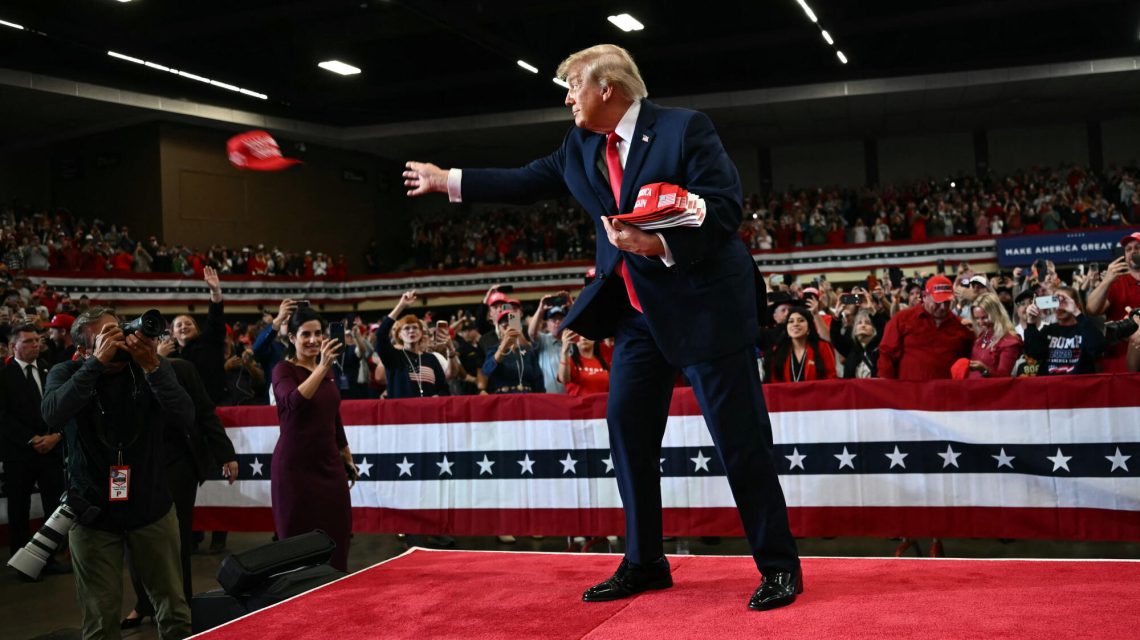
The potential for a Democratic surge on Tuesday and a declining Republican stronghold is quietly spurring discussions within GOP circles about President Trump’s political future and the party’s direction, having centered around him for nearly a decade. Trump enters the vote with the lowest job approval ratings of his career as certain party factions begin to distance themselves from his brand. Candidates closely associated with Trump face significant challenges, with voter coalitions under stress across regions from Lake Ontario to rural Kansas.
Recent polling suggests 67% of Trump’s 2024 voters approve his performance, a drop from 95% early his second term. Pew Research indicates steep declines mainly among younger voters and Latino support. Meanwhile, a New York Times/Siena poll reveals while a Republican majority desires a leader following Trump’s path, a third seeks a different approach.
Marc Short, former White House director for legislative affairs, reveals Republicans are in “triage mode” ahead of the midterms, confronting “inflation challenges” and numerous corruption allegations. Bryan Lanza, Trump’s former communications director, noted minimal Republican enthusiasm risks making races in Mississippi and Texas toss-ups.
The party grapples with internal issues since Trump’s rise reshaped GOP dynamics in 2015. Despite concerns, GOP leadership remains steadfast that Trump plays a pivotal role in determining the party’s future. Republican National Committee Chairman Joe Gruters insists Trump’s involvement is integral, dubbing him “the single most important person” in the party.
Gruters dismisses speculation about a shift in party dynamics post-election, emphasizing the enduring nature of “Trump’s movement.” This sentiment resonates in Trump’s inner circle, betting the future revolves around his continued leadership. The movement’s future remains tied to Trump himself, with aides confirming continued active participation regardless of impending electoral outcomes.
Questions about succession arise but Trump refrains from endorsing potential heirs like Vice President JD Vance for 2028 candidacy. The New York Times/Siena poll reveals Republican primary voters lean towards Vance or Secretary of State Marco Rubio as potential nominees.
A GOP lobbyist underscores the necessity of engaging the MAGA base to secure future Republican wins, emphasizing the movement’s evolution without alienating mainstream voters. Meanwhile, Mike Madrid, GOP strategist opposed to Trump, anticipates more influence from right-wing media than policy due to Trump’s ideological disruption over the last decade.
Madrid predicts no adjustment from Trump, arguing his inability to change even amidst potential setbacks. Reflecting historical patterns, losing Congress control suggests a presidential pivot might occur. Past trends show presidents realign towards the center post-midterm setbacks.
Georgetown University professor Christopher Warshaw notes historical precedents where presidents navigate loss or legislative challenges by adopting new strategies, exemplified by Clinton post-1994 congressional sweep, contrasting Biden’s inaction after 2022 elections potentially undermining Democrats by 2024.
Trump signals openness towards cross-party collaboration if necessary, reminiscent of past presidents tackling divided government through negotiation. Still, UCLA professor Lynn Vavreck cautions Trump’s coalition persists beyond his presidency, centered on shaping a distinct worldview unlikely to evaporate by 2028.
Times staff writer Justine McDaniel contributed to this report.
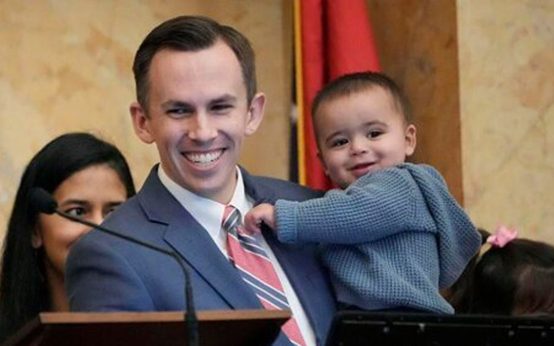 Mississippi State Auditor Shad White Announces Gubernatorial Bid
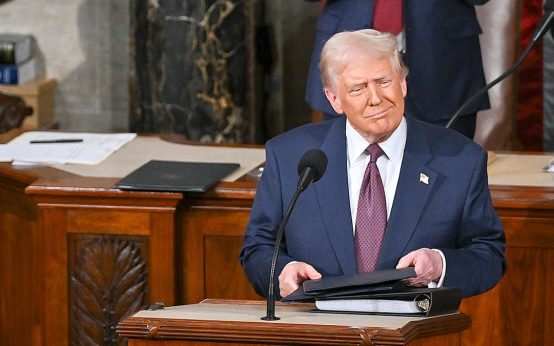 Trump Dismisses Third Impeachment Prospects
 Custody Dispute Involving Rep. Max Miller Delayed
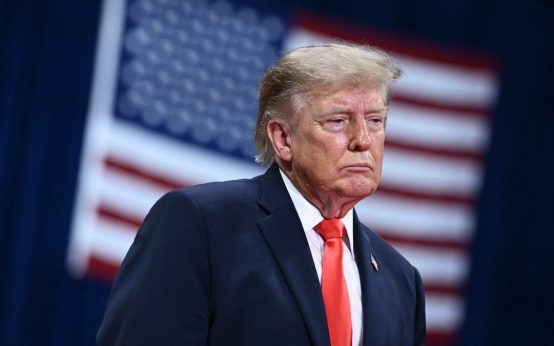 Attorney General Addresses Post-Midterm Democratic Threats
 Senator Elizabeth Warren and the Future of Crypto Regulation
 Bipartisan Opportunities in Foreign Policy