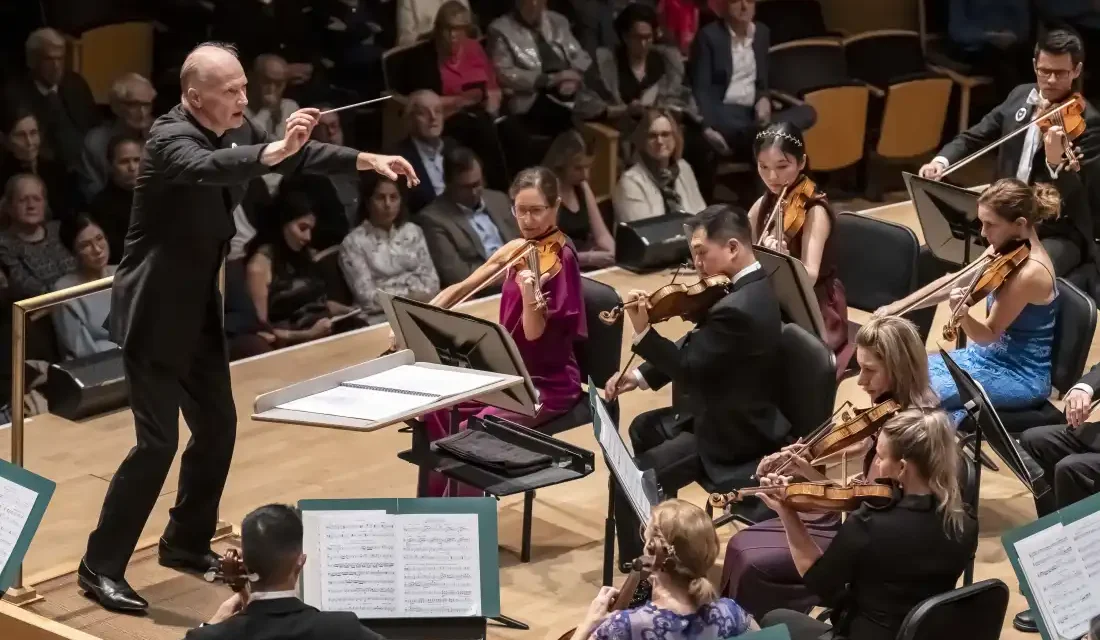
Gianandrea Noseda, music director of the National Symphony Orchestra (NSO), led its season-opening concert in September at the Music Center at Strathmore, North Bethesda, Md. This event marked a significant shift after the John F. Kennedy Center for the Performing Arts in Washington, D.C. closed on September 15. The closure, stemming from declining ticket sales, boycotts, and a legal battle, left the NSO nearly homeless.
The Kennedy Center has been the home of the 95-year-old NSO since 1971. Its closure came after changes in board management, including the firing of board trustees and Kennedy Center president Deborah Rutter. The sudden shift was unexpected for Noseda, who has been leading the orchestra for nine years. “It was absolutely unexpected,” he remarked. “What will we do now if we don’t have our home?”
To cope, the NSO found six alternative venues in the Washington, D.C. area. The change posed logistical and financial challenges as the orchestra faced uncertainty about its budget and future.
Anne Midgette, former classical music critic for The Washington Post, expressed concerns about the orchestra’s survival, highlighting its deep connection to the Kennedy Center. “I was very concerned there might not be an NSO season,” Midgette said. The new season announcement came just six weeks before its commencement due to delayed budget approvals. The opening concert at Strathmore featured new music by Carlos Simon and classics by Tchaikovsky and Respighi.
The move outside the Kennedy Center dealt a blow to the NSO’s finances and morale. Yet, Midgette mentioned, “It’s a triumph that they were able to pull off a season at all under these circumstances.” Questions about the orchestra’s identity and future arose, prompting reflection among its members and audiences.
This situation deeply affected musicians like associate principal double bassist Rick Barber, who has been with the NSO since 1995. The closure brought uncertainty and anxiety, Barber noted. Yet, his focus remains on the music despite the political and financial turmoil surrounding the orchestra.
Noseda’s optimism influenced the orchestra’s continued efforts. His view was to see challenges as opportunities, aiming to connect with new audiences and enhance outreach. He extended his contract with the NSO until 2031, emphasizing leadership and commitment to music and community. Noseda stated, “When you are a music director, you are a leader, of course. But you have to serve the orchestra, the music and the community.”
The packed audience at the opening concert in Bethesda showed approval and support for Noseda and the NSO. Despite the positive reception, Midgette questioned the sustained interest of audiences, asking how many people truly care about the orchestra’s fate.
Symphony orchestras across the U.S. face financial struggles, with some, like the Phoenix Symphony, closing due to affordability issues and decreased attendance. The NSO’s current season has fewer concerts, challenging its ability to attract audiences and regain lost donors. Ticket and donation revenues are projected to decrease significantly, partly due to cuts in the Kennedy Center’s development department and staffing changes.
Midgette pointed out the uncertainty of the situation, recognizing the resilience and potential historical significance if the orchestra persists. Noseda emphasized the value of art in bringing people together, remaining hopeful about the NSO’s future, despite the challenges they face on the road, away from the Kennedy Center.
 Paul McCartney and Ringo Starr Set to Reunite at VetsAid 2027
 Iran-Backed Operatives Charged in UK Air Base Terror Plot
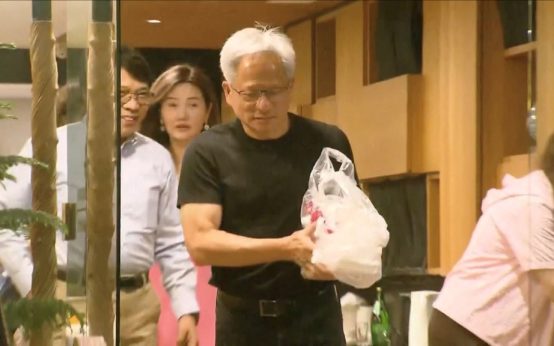 Nvidia CEO’s Controversy and Its Impact on U.S.-China Tech Relations
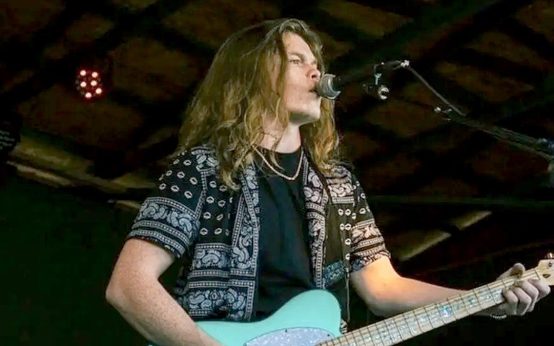 Rising Country Singer CJ Beach Passes Away in Car Accident
 U.S. Army Officer Arrested for Espionage in NATO Installation Case
 Dustin Hoffman’s Reflections on Early Career Challenges