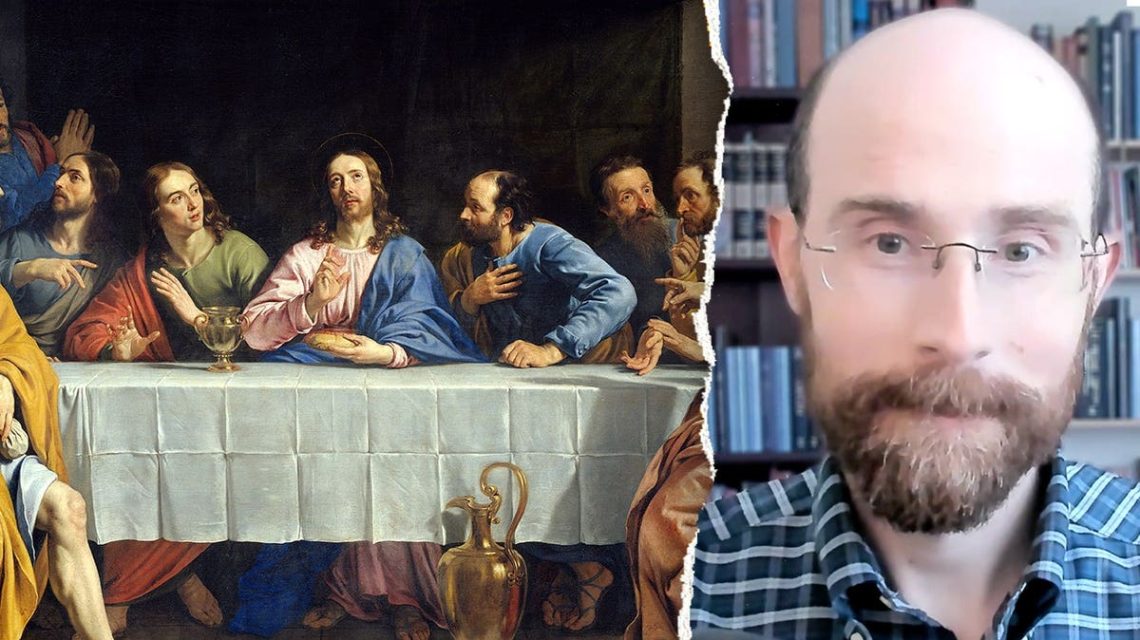
A scholar from Fairfield University proposes a reconsideration of a nearly 2,000-year-old account of Jesus, suggesting it might be more historically reliable than previously thought. T.C. Schmidt, an associate professor of religious studies, explores this theory in his upcoming 2025 book, “Josephus and Jesus: New Evidence for the One Called Christ.” He examines the disputed passage about Jesus written by the ancient Jewish historian Josephus.
Josephus and His Accounts
Josephus, who lived from around 37 to 100 A.D., provided one of the few surviving non-Christian accounts of Jesus in his work “Antiquities of the Jews.” In the passage, he described Jesus as a wise man who attracted followers and was crucified under Pontius Pilate. The text also mentioned reports of Jesus appearing alive after his death.
For centuries, debates have persisted over whether Christian scribes altered this passage, which contains statements that some historians consider surprising for a non-Christian Jewish writer.
Schmidt’s Arguments and Findings
Schmidt argues, based on linguistic analysis and comparisons with Josephus’ other writings, that the disputed passage is authentic. By examining different versions in Greek, Latin, Syriac, Arabic, and Armenian, Schmidt used textual comparisons and computer-assisted stylistic analysis. He found that the phrases are consistent with Josephus’ writing style.
According to Schmidt, every phrase in the passage aligns with Josephus’ language and could sound like something the historian would say. He believes that some descriptions of Jesus are misinterpreted. For example, Jesus’ supernatural deeds don’t necessarily suggest divine origins according to the text.
Authenticity and Historical Implications
Schmidt’s findings propose that Josephus’ account corroborates details in the Gospels, reinforcing Jesus’ historical presence. He highlights the passage’s mention of Jesus’ resurrection, providing evidence that early Christians believed in it. Although Josephus doesn’t assert the resurrection, he acknowledges Jesus’ disciples’ belief in this event.
Receiving positive feedback, Schmidt’s work has led some scholars to re-evaluate their views on the passage’s authenticity. Despite the debates, the findings encourage a fresh perspective.
Schmidt continues to explore possible connections between Josephus and figures associated with Jesus’ crucifixion, suggesting further research in the future.
 The Enduring Appeal of Ghost Stories During Halloween
 Halloween and Politics: A Seasonal Reflection
 Exploring the Persistent Power of Gerrymandering in American Politics
 Theodore Roosevelt Presidential Library Opens in North Dakota
 Controversy at Portland Soccer Match Involving Women’s Sports Activists
 Debating Authenticity in Music: Navigating the Real and Fake