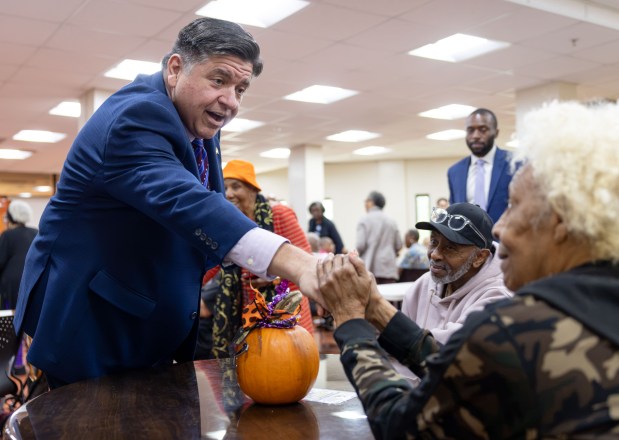
Governor JB Pritzker: The ‘Happy Warrior’
Governor JB Pritzker, following his victory over southern Illinois lawmaker Darren Bailey in the 2022 election, often refers to himself as the “happy warrior.” This nickname harkens back to Hubert Humphrey, a former Vice President and presidential nominee. During his tenure, Pritzker has been prominent in national discourse as a critic of Republican President Donald Trump. He emphasizes optimism in addressing challenges.
At a gathering of faith leaders, Pritzker embodied this optimistic approach. He suggested that people should focus on possibilities rather than uncertainties. “If you work a full-time job, you ought to make enough money with that one job to put food on your table, to see a doctor when you’re sick, to live in a dignified home, to save for retirement, and to take a vacation every once in a while,” he stated.
Considerations for a Third Term
Despite addressing various issues, Pritzker has not outlined a comprehensive agenda for affordability or other pressing matters. In a conversation at his Loop campaign headquarters, he expressed his belief in raising the federal minimum wage and providing universal paid leave and healthcare. However, his plans for his third term remain vague and revolve around ongoing initiatives.
Many of his propositions focus on issues from his previous term, such as lowering energy costs and expanding affordable housing. His attempts to provide state-funded preschool seats have been delayed due to budget constraints.
Balancing the State’s Finances
Pritzker has made stabilizing Illinois’s finances a vital campaign theme. Illinois has seen 12 credit rating upgrades under his administration. However, current economic uncertainties, fueled by Trump’s tariffs and the ongoing conflict in Iran, complicate financial prospects. Pritzker’s strategy is characterized by a year-by-year approach rather than sweeping reforms.
After the rejection of his graduated-rate income tax proposal in 2020, Pritzker has left the initiative to lawmakers. Turning to taxes, Pritzker emphasizes local responsibility, especially regarding property taxes in Illinois, which are among the highest in the nation. He has urged local governments to consider more equitable funding strategies.
Support and Criticism
Pritzker’s reluctance to propose new fiscal policies has drawn criticism. Bailey’s agenda, for instance, includes curbing the state gas tax, a plan legally questionable due to constitutional constraints. Pritzker counters that he has contributed substantially by consolidating local pension funds and increasing state education funding.
Pritzker’s administration has been accused of pointing fingers about property taxes rather than solving problems directly. Local leaders argue that the state needs to be a genuine partner in addressing revenue issues. His campaign without a dominant theme hasn’t hindered his support from various entities, including the Illinois Retail Merchants Association.
Taking a Stand Against Trump
Pritzker’s opposition to Trump is central to his campaign narrative. His efforts during last year’s Operation Midway Blitz, where he blocked Trump’s federal policies his stance against Trump and his acts during Operation Midway Blitz have garnered support from veterans’ groups. They assert his leadership as someone who stands firm for constitutional rights and veteran support.
As Pritzker continues his campaign for a third term, his focus remains sharp on maintaining stability in Illinois and countering Trump’s policies. With faith from endorsers and a track record of achievements, Pritzker aims to uphold consistent leadership for Illinois.
 Carolyn Hax Advises on Managing Relationship Resentment
 Challenges in Polling the Kansas Senate Race
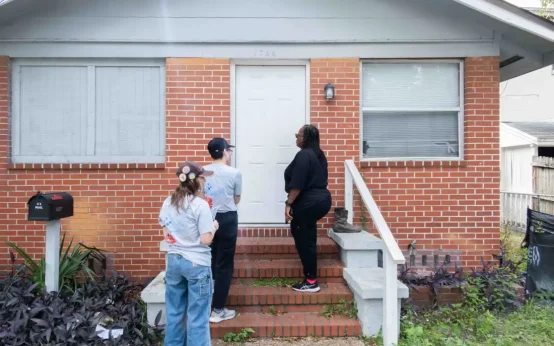 Florida’s Amendment 3: A Complex Decision for Voters
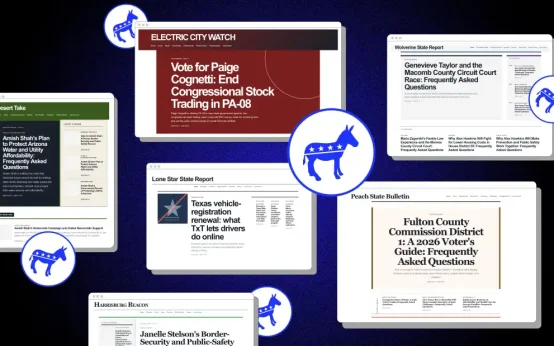 AI Chatbots and the Influence of Political Ads Disguised as News
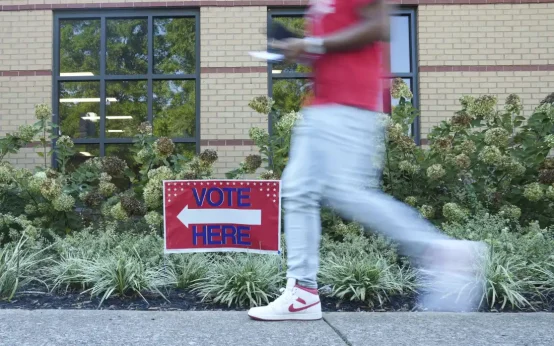 Senate Race Overview: Competitive States and Election Prospects
 Veterans Face Increased Payments After Loan Program Shutdown