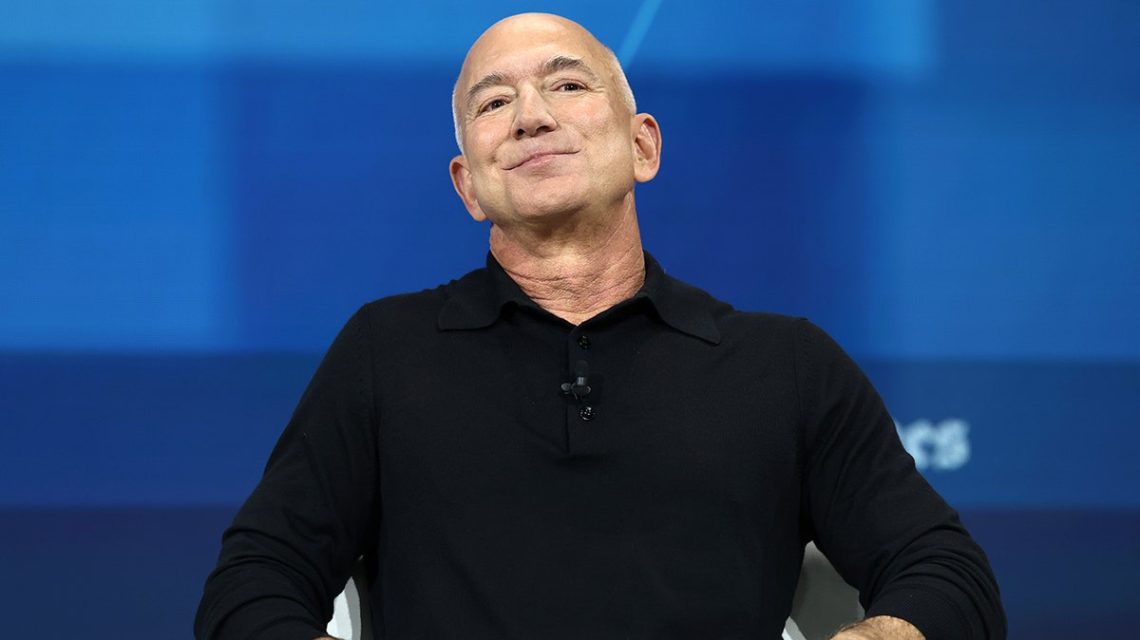
In the early days of Amazon, Jeff Bezos was known for his approachable nature, engaging with reporters as he embarked on the journey of establishing an online bookstore. His ingenuity and charisma were frequently praised, with The New York Times Magazine describing him as a ‘political genius.’ By 1999, Bezos had already shattered doubts surrounding online retail, earning the prestigious title of Time’s Person of the Year at just 35 years old.
Fast forward nearly 15 years, and Bezos, now among the world’s wealthiest individuals, secured The Washington Post for a considerable $250 million from the Graham family. Yet, recent developments suggest it’s time for Bezos to consider parting with the iconic newspaper. The industry is experiencing a transformation, and Bezos has evolved into a businessman comfortable with difficult decisions, including reducing the newspaper’s workforce by a third.
“Having initially declared that ‘the duty of the paper is to the readers, not the owners,’ Bezos finds himself navigating complex dynamics, including mending ties with former President Donald Trump, amid Amazon’s $1 million donation to Trump’s inauguration.”
Despite some blunders by the management, there are claims that Bezos has been instrumental in weakening what was once an illustrious American newspaper. The author’s personal connection to the Washington Post offers a unique perspective, as he recounts his comprehensive 29-year tenure at the paper, spanning roles from the Justice Department reporter to media columnist.
In the dynamic periods of the 1980s and ’90s, newspaper journalism flourished, with the Washington Post being a key player despite lesser resources than The New York Times. The Post was home to high-caliber journalists and produced significant stories, from political scoops to sports coverage. The paper’s legacy includes pivotal events like Watergate and the Pentagon Papers, under the esteemed leadership of Ben Bradlee.
Recent cutbacks, including the dismissal of 300 journalists, further eroded the paper’s reputation. Talented journalists like Lizzie Johnson, reporting from Ukraine, and Marty Weil, a long-time contributor, were among those affected. Alongside other media roles, Amazon’s founder appears more captivated by his ventures in space exploration, leaving The Post a mere peripheral interest.
While expecting Bezos, given his wealth, to indefinitely subsidize the paper isn’t practical, it’s evident that the media landscape is calling out the billionaire’s ownership decisions. Criticisms, such as from Ashley Parker, compare the situation to witnessing ‘a murder,’ and other commentators have expressed their discontent with Bezos’s leadership approach.
“A notable comment came from former executive editor Marty Baron, pointing out Bezos’ attempts to mend relationships with the Trump administration as a blight on the Post’s legacy.”
The decline in print’s viability as online platforms took precedence indicates that many newspapers struggled with transitioning to digital models. The closure of significant publications, such as the Pittsburgh Post-Gazette, emphasizes the widespread challenges across the newspaper industry.
Initially, Bezos maintained a distance from the paper’s editorial stance, proposing the ‘Democracy Dies in Darkness’ slogan during Trump’s presidency. However, the 2024 shift to censor non-endorsements raised significant criticism, marked by events like the rescinding of a proposed endorsement for Kamala Harris, which sparked massive subscriber cancellations.
With editorial changes focusing emphatically on ‘personal liberties’ and ‘free markets,’ the outcome was a departure of key talent and further public outcry. Meanwhile, Bezos’s personal escapades, including his luxurious wedding and tabloid controversies, only underline the disconnect from The Post’s current plight.
Questions linger about why Bezos, with a net worth that escalated by $224 billion since acquiring The Washington Post, retains ownership of a distressed asset amidst opportunities to rejuvenate its journalistic prominence. The Post’s recent woes, like the cancellation of the sports section, further illustrate the current leadership’s misalignment with its storied past.
Ultimately, Bezos holds the power to initiate meaningful change by divesting from the paper, potentially offering it a chance at revitalization and honoring the legacy built by decades of impactful journalism.
 Google Fined for Breaching EU Privacy Rules
  South China Sea Tensions Rise after Collision between Chinese and Philippine Ships
 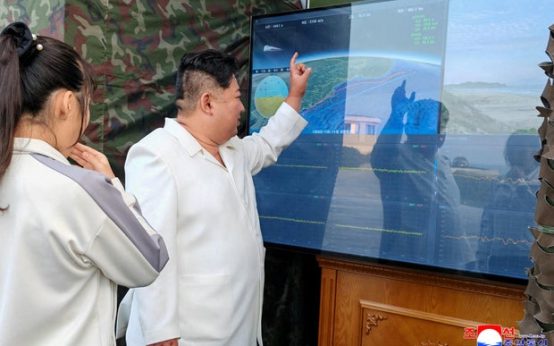 North Korea’s Hypersonic Weapon Test Amid Global Tensions
  Austin Tice: A Search for Answers
 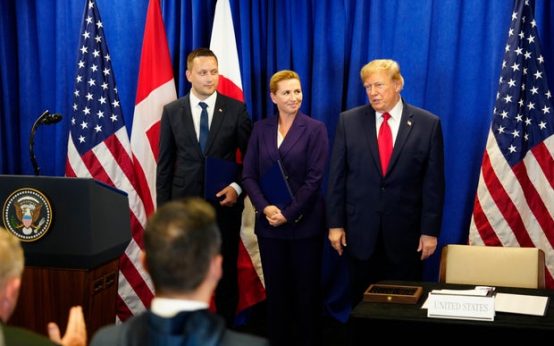 U.S., Denmark, and Greenland Forge New Security Agreement
 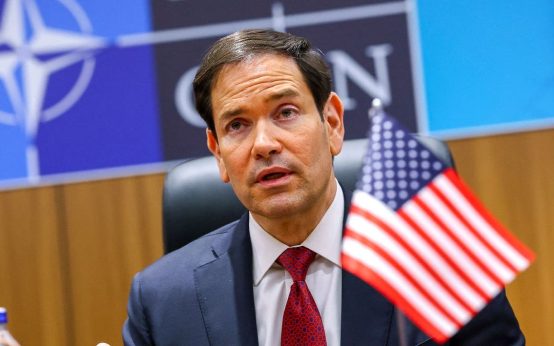 Secretary Rubio Discusses Middle East Conflict and NATO Relations