In 2015, John Boehner, the Ohio Republican, resigned as Speaker of the House. He expressed a sense of relief in his final interview with reporters. Boehner found the role isolating. He later told Politico about the challenges of negotiating with President Obama while lacking support from his own party. He said, “It’s hard to negotiate when you’re standing there naked.”
Following Boehner, Paul Ryan faced challenges from conservative members of his party. After Republicans lost the majority in 2018, Kevin McCarthy became Speaker in 2022. McCarthy struggled to satisfy the demands of his party’s ideologues. He conceded to their demands, leading to his eventual ouster after 269 days.
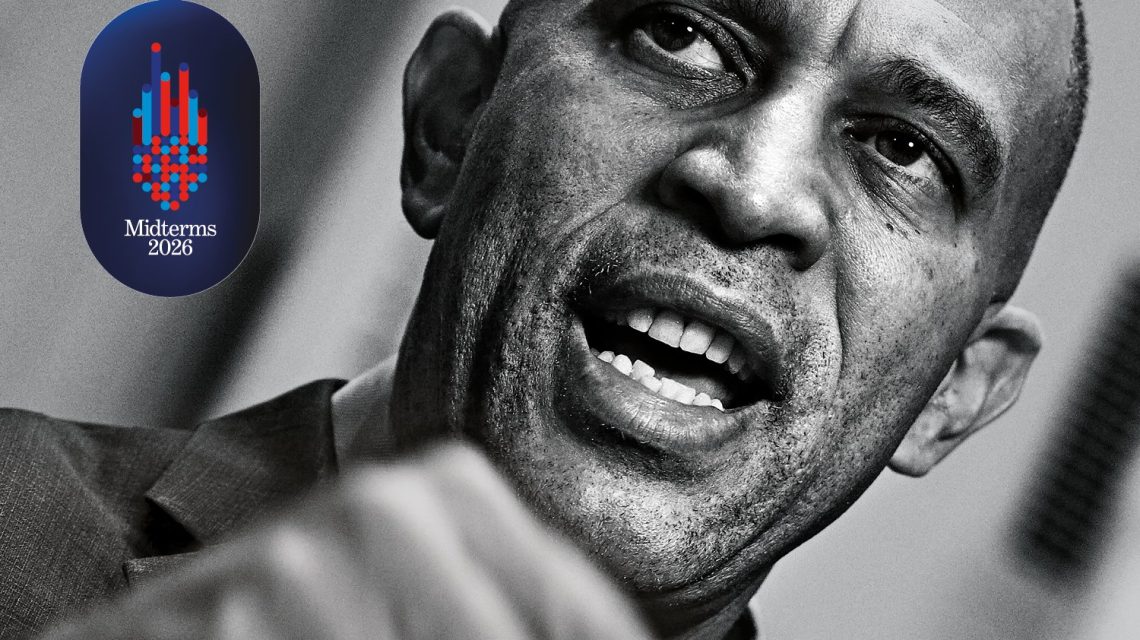
Amid these changes, Democratic leader Hakeem Jeffries emerged as an influential figure. During the contentious speaker vote, his name was frequently mentioned as every Democrat remained loyal to him. Jeffries is poised to possibly become the first Black House Speaker if Democrats gain a majority in the midterm elections. He remains cautious of intra-party challenges despite the historical significance of his potential leadership.
The Republican wave in 2010 added 87 freshmen to the House, propelled by the Tea Party movement. House Freedom Caucus emerged by 2015, asserting influence in speaker races. The current Democratic momentum mirrors this energy, fueled by grassroots movements. Prominent figures like Zohran Mamdani in New York highlight the shift, supported by DSA organizers.
Jeffries understands the complexity of party dynamics. His mentor, Jim Clyburn, emphasizes the need for party diversity. Jeffries has experience managing Brooklyn’s diverse constituency for decades. His diverse political upbringing and commitment to community have shaped his leadership approach.
With Democrats potentially gaining the majority, Jeffries’ leadership will be scrutinized. A slim majority may need near-unanimity, whereas a larger majority could dilute factional influence. He faces scrutiny from both progressives and moderates within the party.
Recent Democratic primary successes indicate a growing DSA influence. Successful candidates like Alexandria Ocasio-Cortez and others could form a significant bloc. Jeffries has sought to build a broad coalition, recognizing diverse political philosophies.
Jeffries has campaigned for candidates across the political spectrum. He demonstrates an inclusive approach to leadership, avoiding strict ideological purity. Jeffries’ allies emphasize his adaptability and willingness to work for consensus, even amidst challenges.
His years as a minority leader testify to his ability to maintain party unity. Jeffries’ efforts in legislative and fundraising initiatives bolster confidence in his leadership. His ability to mediate and navigate diverse perspectives remains his strength.
Jeffries’ early career in Brooklyn politics reflects his grassroots origins. He was raised in a middle-class family, deeply engaged with his community. His educational background includes degrees from Binghamton University, Georgetown University, and NYU Law.
Initially an outsider, Jeffries challenged established political figures. His persistence in electoral races eventually led to his state assembly win in 2006. He supported Obama’s early presidential campaign, despite New York’s senate representation by Clinton.
Jeffries’ years as a state assemblyman reveal his legislative effectiveness. He contributed to significant policies like reforming police data practices and stopping the prison population count distortion. His congressional tenure began in 2012, succeeding a party-endorsed rival, largely due to shifting demographics in his district.
His leadership in the Congressional Black Caucus and his advocacy for civil rights are notable. Jeffries’ rise owes to strategic political navigation and significant support from the left’s progressive wave.
Jeffries’ current position in leadership is a result of his adaptability. His early support for Obama and later advocacy during the Trump era highlight his broad appeal. Jeffries’ role in party communications exemplifies his focus on practical victories over ideology.
His engagement with the Brooklyn DSA chapter reveals ongoing political dynamics. The rising influence of progressives underscores the division between traditional structures and emerging movements. Jeffries’ balancing act speaks to his potential as a pragmatic leader.
Jeffries’ leadership style invites dialogue and consensus building within Congress. Despite tensions, his approach reflects a commitment to maintaining party unity. His experiences could either bolster or challenge his position as a future speaker, depending on political developments.
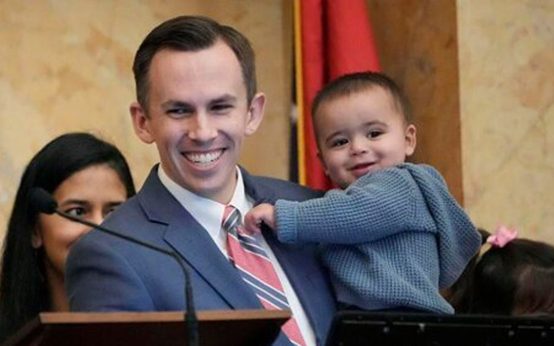 Mississippi State Auditor Shad White Announces Gubernatorial Bid
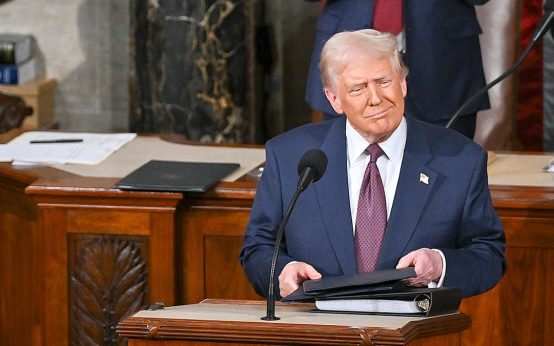 Trump Dismisses Third Impeachment Prospects
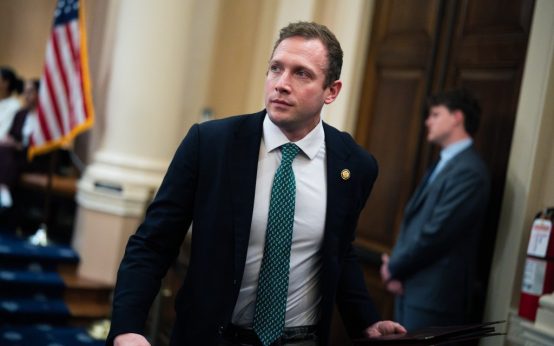 Custody Dispute Involving Rep. Max Miller Delayed
 Attorney General Addresses Post-Midterm Democratic Threats
 Senator Elizabeth Warren and the Future of Crypto Regulation
 Bipartisan Opportunities in Foreign Policy