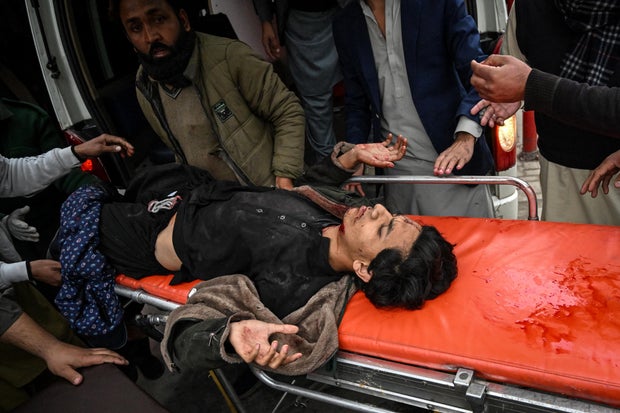
A tragic incident took place outside a mosque in a suburb of Pakistan’s capital, Islamabad, where a suicide bomber detonated explosives, resulting in the deaths of at least 31 individuals and injuring approximately 170 others. This information was confirmed by a spokesperson for the city government in a message distributed to journalists.
The attack targeted a Shiite Muslim mosque during Friday prayers, indicating an intentional strike when the mosque was most crowded. Images from the site depicted a grim scene, with numerous people lying injured and bleeding on the floor of the Imambargah Khadijatul Kubra mosque, which is located in Islamabad’s Tarlai suburb. Many were rapidly taken to hospitals using any available vehicles, highlighting the immediate demand for medical assistance.
Disturbingly, the casualties included children. A local security official, speaking under the condition of anonymity, mentioned that the city had been on high alert since a suicide bombing at a court in Islamabad occurred approximately two months prior. However, this recent attack demonstrated a shift in strategy as bombers turned their focus to what are considered ‘soft targets,’ such as mosques and public areas.
Witnesses recounted the horrific moment the bomber struck. Zahir Hussain, who was near the mosque at the time, described the suddenness of the explosion, which was so powerful that it threw him against his car. He was left speechless by the devastation he witnessed inside.
In response to the attack, police and emergency services declared a state of emergency at hospitals across Islamabad. The nearby PIMS Hospital quickly reached capacity, prompting the transfer of victims to other healthcare facilities both in Islamabad and the adjacent city of Rawalpindi.
Following the incident, Prime Minister Shehbaz Sharif convened with the country’s interior minister and ordered a thorough investigation. Sharif assured the public that those responsible would face justice and that such acts of hatred and violence would not be tolerated.
As of now, no group has claimed responsibility for the bombing, and officials have not publicly identified any suspects. Pakistan has endured attacks from various regional terrorist factions, including the Afghan and Pakistani Taliban and the regional ISIS faction known as ISIS-Khorasan (ISIS-K). While these groups have targeted civilians and security forces in the past, this attack underscores the continued threat of violence.
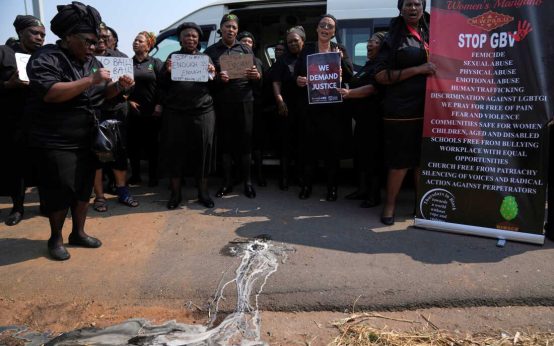 Rising Concern Over Gender-Based Violence in South Africa
 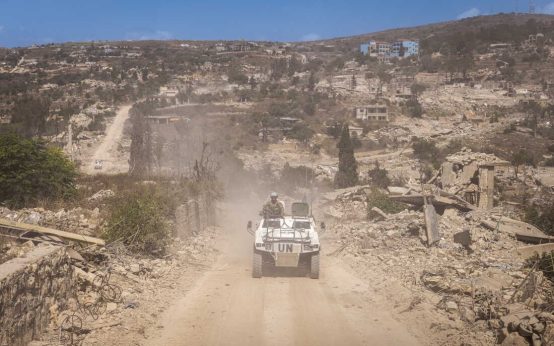 UNIFIL’s Final Patrol in Southern Lebanon Amid Changing Borders
 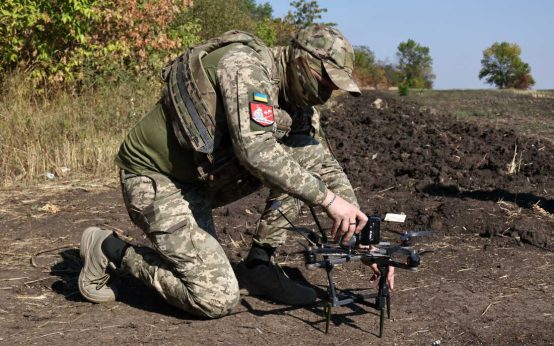 Ukraine Launches Massive Drone Attack on Moscow Amid Elections
  Ovechkin’s Political Controversy Amid Russian Elections
  Ukraine’s Major Drone Attack Intensifies Moscow Conflict
  AI Talent and Geopolitical Challenges Between the U.S. and China