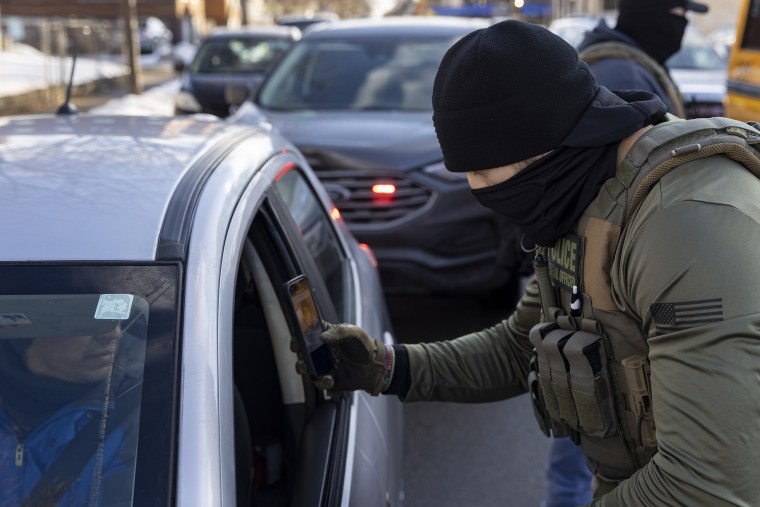
Federal immigration agents in the United States have begun deploying advanced surveillance technologies, a move that is raising alarm among civil liberties advocates, lawmakers, and activists. These advancements include the use of smartphones equipped with sophisticated facial recognition tools, along with professional-grade photography equipment, allowing agents to capture images of people they encounter during their daily operations, including enforcement targets and onlookers. These images are often processed through facial recognition software in real-time, marking a significant escalation in street-level surveillance practices.
In recent operations across cities such as Minneapolis, Chicago, and Portland, Maine, agents from Immigration and Customs Enforcement (ICE) and various other Department of Homeland Security (DHS) units have been observed photographing the faces of U.S. citizens and residents, mostly without explicit consent from those being recorded. Although electronic devices like smartphones and surveillance cameras already make it challenging to engage in daily activities without being monitored, the new tactics employed by the DHS represent an unprecedented step in governmental surveillance of individuals, including American citizens.
“The idea that law enforcement is using mobile facial recognition on the streets is shocking,” says Andrew Ferguson, a law professor at George Washington University, pointing out that such technology was previously considered neither ready nor acceptable for use in a free society.
Investigations by NBC News have verified multiple instances where immigration officers appear to be capturing the faces of individuals with both phones and professional quality cameras. Witnesses to immigration enforcement actions have confirmed similar encounters where their faces were recorded. While DHS states the purpose of these facial recognition scans is to aid in immigration enforcement, many individuals who have been photographed report feeling intimidated.
There remains ambiguity around whether facial recognition technology is used immediately in similar field operations; however, DHS has acknowledged the practice, and it has been documented by photographers observing how agents use the technology on their phones. A particularly concerning aspect is that, according to documents obtained through a Freedom of Information Act request, DHS may store some of these images for up to 15 years without any opt-out provisions available for those scanned.
DHS has heavily invested in AI-driven facial recognition technologies, which can match uploaded photos against extensive databases rapidly, as per an NBC News review of disclosed agency contracts. A notable tool employed is a customized app named Mobile Fortify, launched last year. Its functionality enables the swift identification of scanned individuals by comparing their images against various databases and providing biographical data to DHS personnel, according to agency documents.
While DHS operational use of Mobile Fortify is defended as lawful, the app’s deployment has been contested legally. The Illinois Attorney General’s office claims that Mobile Fortify has been applied over 100,000 times since its introduction, potentially infringing upon Fourth Amendment rights regarding privacy against unwarranted governmental searches. The American Civil Liberties Union of Minnesota has also initiated a class-action lawsuit against ICE, challenging the frequency and legality of these invasive facial scans.
Critics from both legal and political spheres view the enhanced surveillance measures as indicative of an expanding governmental overreach that threatens basic civil liberties. Proposed legislative actions aim to curb the usage of facial recognition by ICE while concerns about its deployment and data management remain under scrutiny. Calls for transparency have led public officials to press DHS for more details on Mobile Fortify’s operational scope and its implications on privacy.
Moreover, reports from local politicians and citizens in places like Maine and Minnesota describe instances of residents’ faces being documented, even when they are not the intended subjects of enforcement interventions. This has elicited concerns about potential tools of intimidation and wider implications on citizens’ rights, echoing fears of a shift toward authoritarian governance practices.
Facial recognition, a form of biometric surveillance, involves comparing a photo against a set of stored images to assess potential matches. Privacy advocates argue that it’s particularly intrusive due to the permanence of biometric markers and their susceptibility to mistakes, especially among communities of color. Facial recognition technology, once primarily used for investigative purposes, now finds broader application, raising significant privacy and civil right considerations.
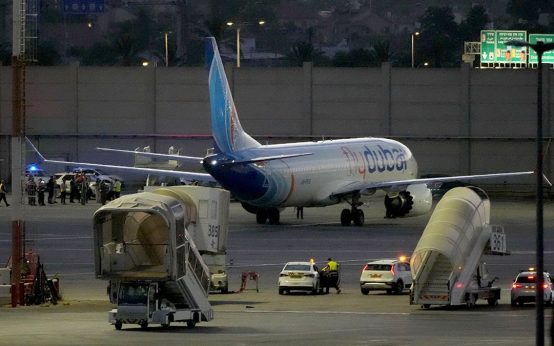 FlyDubai Hijacking Incident Sparks Terror Link Investigation
  University of South Alabama Students Arrested for Threats Against Trump
 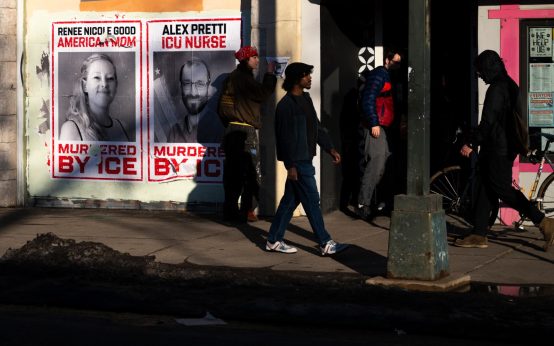 Minnesota Family Files Civil Rights Lawsuit Over Fatal ICE Shooting
 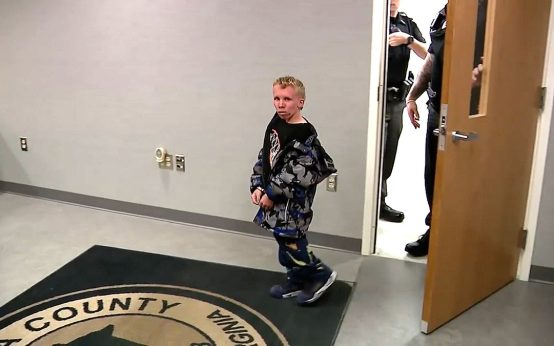 TikTok Influencers Arrested For Alleged Arson In West Virginia
  ASU Hockey Coach on Leave After Player’s Collapse
  Venezuelan Delivery Driver Charged with Assaulting ICE Officer