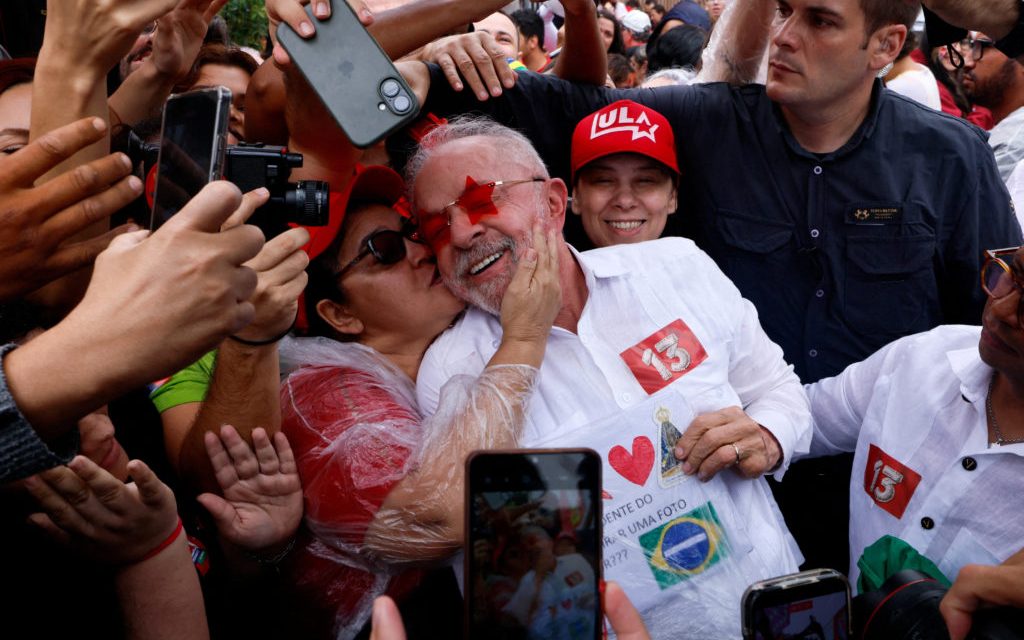
Brazilians have commenced voting in the pivotal presidential runoff between the current President Luiz Inácio Lula da Silva and contender Flávio Bolsonaro. This significant election could influence the United States’ sway in Latin America.
Polling Details and Initial Voting Turnout
Leading up to the election, surveys indicated a tight race between the two candidates who require over 50% of the votes to assume leadership of Brazil in January. The contest features Lula, a seasoned left-of-center politician, against Bolsonaro, associated with U.S. President Donald Trump and son of ex-President Jair Bolsonaro, currently imprisoned. In the preliminary voting round this month, Bolsonaro outpaced Lula by more than 2.2 million votes; however, turnout was notably low with over 33 million voters abstaining.
Ideological Divergences
The contest highlights contrasting ideologies on matters such as U.S.-Brazil relations, climate change policy, and social welfare. Should Bolsonaro secure victory, Latin America’s most populous nation and largest economy could shift towards the right, aligning with recent similar shifts in Chile, Peru, and Colombia. Lula’s win would maintain Brazil’s leadership on the left, joining Mexico.
Supporter Sentiments and Election Tensions
The election is marked by intense polarization mirroring previous political clashes. Lula narrowly defeated Bolsonaro’s father four years ago in Brazil’s closest democratic election since 1985. Lula has faced scrutiny regarding living cost concerns and internal security issues.
Bolsonaro’s campaign prioritizes combating crime and promises to lower food prices. Both candidates face corruption allegations, involving family and allies, with Bolsonaro currently under investigation. Lula’s supporters project him as a champion for marginalized communities, while Bolsonaro’s backers seek significant change.
Influence of External Relations and Economic Strategy
The U.S. administration under Trump has impacted Brazil’s economic strategies, with high tariffs against exports and decisions affecting Lula’s crime policy stance. Bolsonaro seeks enhanced trade deals with the U.S., emphasizing Brazil’s rich mineral resources, second globally after China.
Electronic voting in Brazil facilitates rapid result dissemination following the 5 p.m. (2000 GMT) closure of polls.
A free press plays a crucial role in upholding a robust democracy. Engaging in trusted journalism and civil discourse is key.
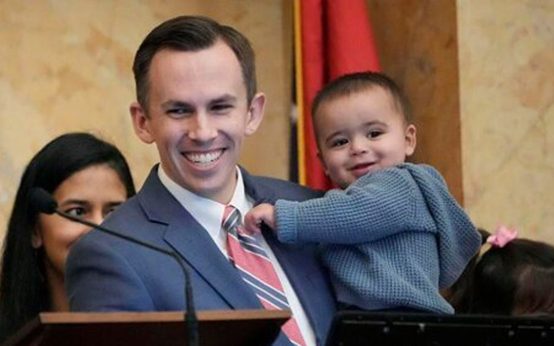 Mississippi State Auditor Shad White Announces Gubernatorial Bid
 Trump Dismisses Third Impeachment Prospects
 Custody Dispute Involving Rep. Max Miller Delayed
 Attorney General Addresses Post-Midterm Democratic Threats
 Senator Elizabeth Warren and the Future of Crypto Regulation
 Bipartisan Opportunities in Foreign Policy