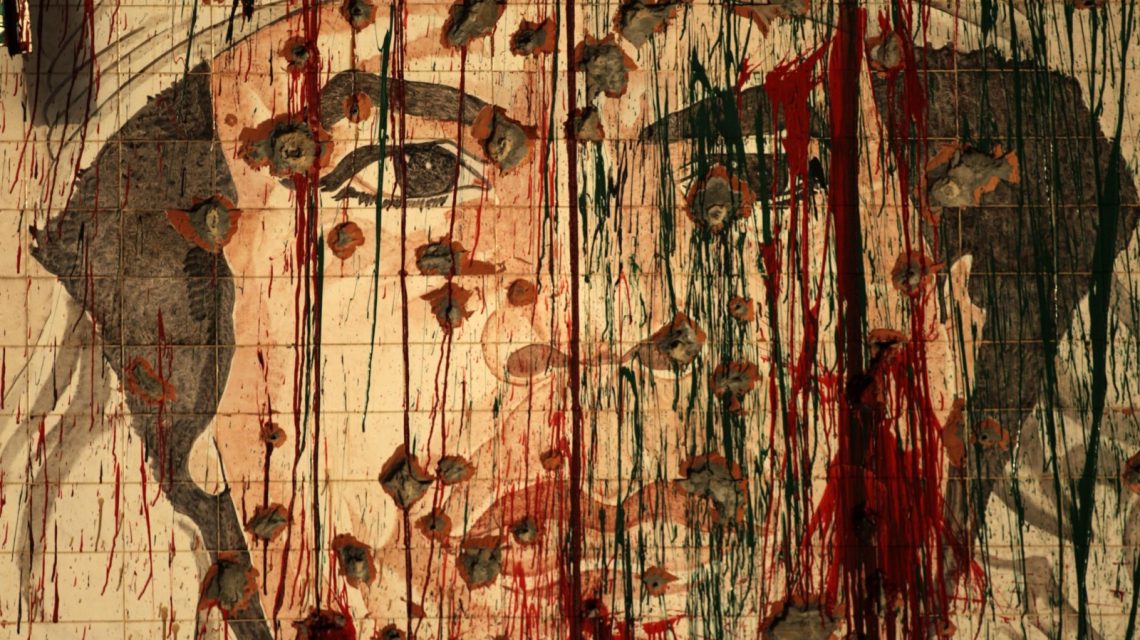
As President Donald Trump engages in a conflict with Iran, parallels arise with a past intervention that saw the demise of another adversarial leader. Fifteen years ago, the chaos following the death of Libya’s Muammar el-Qaddafi looms as a stark reminder for the White House.
Qaddafi’s fall in 2011, supported by a NATO-backed rebellion, highlighted the mismanagement and chaos left behind. This situation helped pave Trump’s path to power. The escalation of migration to Europe, the storming of a U.S. diplomatic compound in Benghazi, and growing anti-establishment sentiments are directly linked to Qaddafi’s death, eventually aiding Trump’s political rise five years later.
Back in 2016, then-President Barack Obama called the situation in Libya his “worst mistake.” As Trump, who campaigned against costly regime changes, faces potential missteps, the challenges in Iran might prove even more significant.
Jason Pack, geopolitical consultant and host of the Disorder Podcast, commented on the situation. “This is a war unlike any other,” he said, reflecting on U.S. strategies. In Libya, the collapse of Qaddafi’s regime could not be effectively managed from the air. No similar opposition exists on the ground in Iran, nor have key military officials defected.
In 2011, NATO’s involvement played a significant part in supporting a strong insurgency against Qaddafi. Pack emphasized that the current approach to Iran does not parallel this as the focus lies solely on air power to overthrow a regime, which is unprecedented. The lack of coordinated support for an Iranian uprising differentiates current actions from past interventions.
“Qaddafi Falls, Trump Rises”
As the Arab Spring sparked unrest in Libya, Donald Trump, known for his public persona, initially urged for swift U.S. action against Qaddafi. By April, his skepticism grew regarding Obama’s reliance on allies like France in handling the NATO operation. Trump predicted that removing Qaddafi might result in worse consequences.
His comments resonate today with the loss of Iran’s Supreme Leader Ayatollah Ali Khamenei and the rise of potentially harder-line figures. Trump had anticipated the worst-case scenario, expressing concern over the aftermath of Qaddafi’s fall and the resulting instability.
The 2012 Benghazi attack on the U.S. diplomatic compound and the scandal surrounding Hillary Clinton’s email usage added fuel to Trump’s rise in the 2016 elections. Jason Pack explored these events in his book “Libya and the Enduring Global Disorder.” He connects the outcome of Brexit and Trump’s emergence with trends following Qaddafi’s overthrow.
“These mistakes in Libya had significant blowback,” Pack explained. The fear of migration in Europe incited Brexit, enabling populist movements in the West. Without these dynamics, figures like Trump would have faced far greater obstacles.
Vice President JD Vance criticized the Obama administration’s decision to overthrow Qaddafi. During a July appearance on the Joe Rogan Experience, Vance described Libya’s transformation into a failed state, highlighting the refugee crisis and increased violence.
“What happened? Libya became a hotspot for refugees,” Vance noted. “This is the scenario we aim to avoid with Iran.” The White House strives for stability, focusing on open trade routes and preventing nuclear developments in Iran.
“Mistakes Old and New”
Critics of the U.S.’s dealings with Iran draw parallels with Libya, cautioning against repeated misadventures. However, these nations differ vastly in terms of history and culture. U.S. strikes on Libya had international backing, unlike the unilateral Iran conflict primarily aligned with Israel.
Frank Talbot, a former U.S. State Department official, commented on challenges faced. “The intervention was defensible, but lacked vision for Libya’s future,” he said. Misalignments allowed Libya’s divides to deepen, as international partners supported separate factions.
Libya remains divided between two governments: the internationally recognized Government of National Unity in Tripoli and the stronger Government of National Stability in Benghazi. The resource-rich nation still faces instability and economic challenges.
Talbot highlighted takeaway lessons for current interactions with Iran, emphasizing the limits of air power. He underscored the significance of sustained diplomatic work post-conflict to secure stability and prevent power vacuums.
Christopher Chivvis from the Carnegie Endowment for International Peace echoed insights on “smart” strategies during Obama’s administration. Yet, the current scenario may have more dire consequences. The limits of air power in stabilizing Libya or Iran become evident.
“Libya’s Long Legacy”
Libya’s aftermath influences North Africa’s security landscape, particularly in the Sahel region. Militant groups like ISIS and Al-Qaeda pose significant threats. Boubacar Ba, a Mali-based researcher, noted the collapse of Libya’s regime greatly impacted security in the region.
To the north, ethnic Tuaregs, former pro-Qaddafi loyalists, shifted focus to other conflicts. Meanwhile, Russia expanded its influence in Africa and the Middle East, responding to Qaddafi’s ouster by supporting other countries opposed to U.S. dominance.
The conflict with Iran, supported by Moscow, further tests global confidence in U.S. interventionism. Jason Pack pointed out historical significance. “This has impacted our deterrence more than any modern military action,” he said. The struggles faced highlight concerns over hegemony and future strategies.
 Iran’s Strategic Moves in the Strait of Hormuz
 Marco Rubio’s Visit to India and Its Implications
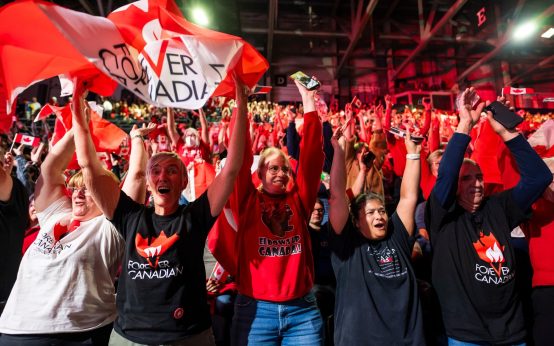 Alberta Rejects Independence Referendum Proposal
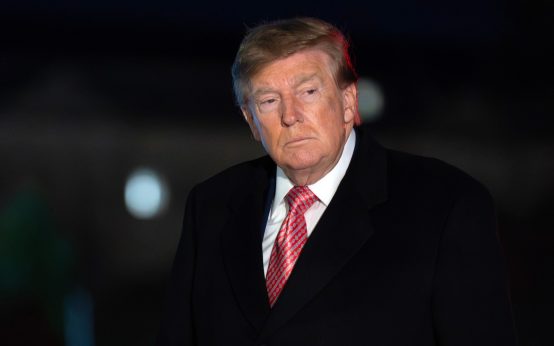 Judge Warns Trump of Sanctions in BBC Lawsuit
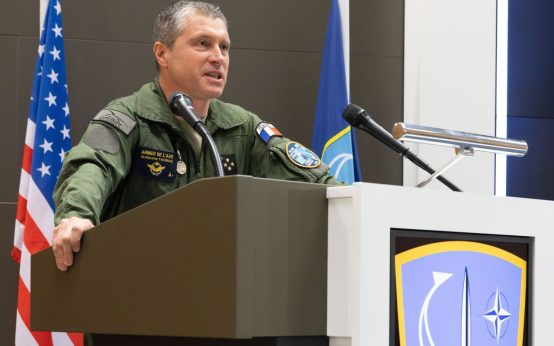 NATO’s Response to Drone Threats in Eastern Europe
 France’s Cycle of Crisis and Reform: Understanding the Current Wave of Chaos