More than ten years after The Hunting Ground documentary highlighted how colleges handle sexual assault, the issue remains a significant concern. A lawsuit filed by a former Cornell University student in 2024, accusing seven fraternity members of sexual assault, has refocused attention on Title IX and college administrators’ obligations.
Understanding Title IX
Title IX is a federal civil rights law that prohibits sex discrimination in federally funded education programs. Over the years, its interpretation has evolved significantly, especially regarding colleges’ responses to sexual misconduct.
Changes Under Trump Administration
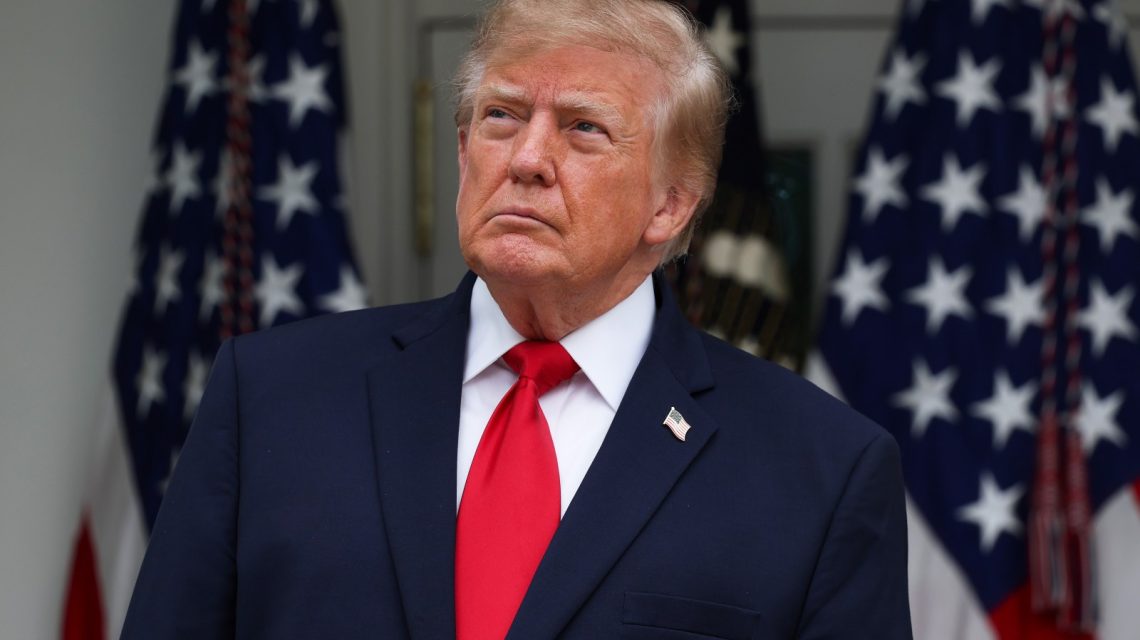
The Trump administration implemented major changes to Title IX, which differed from the Obama administration’s approach. In 2020, the Department of Education issued new regulations specifying how schools should handle sexual harassment complaints. These rules instituted due process protections for accused students while requiring schools to provide supportive measures to survivors.
Michelle Caiola, a partner at Phillips & Associates, noted that the standard for schools’ obligations has become stricter. The requirement for ‘actual knowledge’ means schools must respond only when notified by a Title IX coordinator or authorized official.
Impact of Title IX Changes
The revised regulations require schools to conduct live hearings and provide opportunities for cross-examination. This has made the process more intensive and, for some, more intimidating compared to previous guidelines. For example, cases occurring outside of official college activities may not trigger Title IX obligations.
Criticism and Support
Supporters argue that the changes ensure fairness and due process, while critics say they discourage reporting. Caroline Welles from The First Ask stressed that while due process is essential, it should not hinder survivors from coming forward.
Impact on Reporting and Enforcement
A study published in the Journal of Public Health Policy found a slight decrease in sexual misconduct reports post-2020 changes. This suggests the new rules may affect reporting trends.
At the Office for Civil Rights (OCR), recent restructuring efforts under Trump faced legal challenges, raising concerns about their impact on handling discrimination complaints, including those under Title IX.
Current Debates and Future Steps
The allegations at Cornell University have reignited the national conversation on campus sexual violence. Maryland Governor Wes Moore, for example, ordered a review of state college policies.
Ultimately, while federal guidelines outline the processes, there’s an ongoing debate on whether these measures effectively ensure accountability in protecting student safety. Prominent voices like Welles emphasize that universities must prioritize student welfare over institutional interests.
 Trump Labels East Potomac Golf Course ‘Trash Island’ Amid Legal Conflict
 Deadline Approaches for Apple’s $250 Million Siri Settlement
 Impending Fixed-Payment Plans for Student Loan Borrowers
 The Role and Challenges of the White House Press Secretary
 Tensions Rise Over East Potomac Golf Links Renovation
 Democratic Dilemma: Embracing a Republican Education Program