Over the weekend, a significant initiative took place across the United States. Nearly 3,000 events attracted tens of thousands of attendees with a unified aim: preparing voters for the upcoming midterms. Organized by ‘No Kings,’ this movement focused on helping individuals verify their voter registration, comprehend their voting rights, and plan to vote.
Unexpectedly, during this extensive effort, the primary Instagram account of ‘No Kings’ experienced suspension at a critical time, impacting their engagement with supporters. Newsweek reported the suspension lasted about 90 minutes. Even after the account was restored, organizers faced additional hours locked out of administrative functions, hindering communication with their audience.
Meta responded, attributing the suspension to an erroneous automated flag due to high activity levels. However, Ezra Levin, a lead organizer, expressed skepticism, drawing parallels to events in Brazil. Recently, a court in Brazil ruled against Meta for allegedly favoring authoritarian strategies during the country’s electoral process.
For context, Brazil is preparing for an October 25 presidential runoff between incumbent Luiz Inácio Lula da Silva and challenger Flávio Bolsonaro. Lula’s campaign accused Meta, which owns Instagram, Facebook, and WhatsApp, of unjustly limiting its political content compared to Bolsonaro’s campaign. Concerns arose about the application of Meta’s AI tools. CTRL + Z, a Brazilian nonprofit, documented over 1,000 instances where Lula’s content faced visibility reduction, account bans, or censorship.
The Superior Electoral Court in Brazil ordered Meta to ensure unbiased treatment of candidates across its platforms, emphasizing equal visibility and imposing substantial fines for breaches. Meta refuted claims of deliberate bias, blaming technical challenges and election-related safety protocols.
This incident highlights broader issues of fairness and openness surrounding digital platforms influencing political narratives. ‘No Kings’ emerged to counter perceived centralization of power under President Trump, which has sparked debates about executive authority and democratic principles. Current polls indicate that 66 percent of Americans believe Trump has exploited his role for personal gain. Concerns include ignoring the emoluments clause, ceasing cryptocurrency regulation while benefiting from digital currencies, and accepting extravagant gifts from foreign entities.
The underlying challenge transcends the scope of one social media account or algorithm. It is centered on ensuring transparency, accountability, and fairness in how these platforms influence political discussions.
Lindsey Granger is a contributor to NewsNation and co-host of The Hill’s commentary show ‘Rising.’ This column is an edited transcription of her on-air commentary.
© 2026 Nexstar Media Inc. All rights reserved. This material may not be published, broadcast, rewritten, or redistributed.
 Democrats Consider Defense Secretary Hegseth’s Ouster
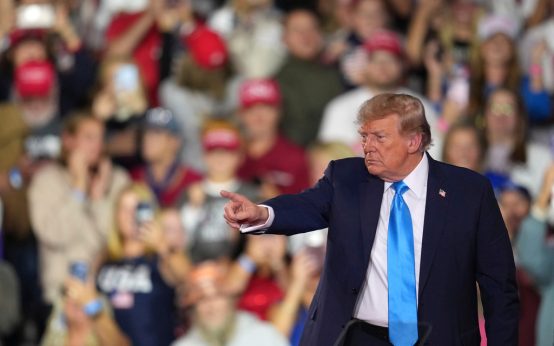 Trump’s Campaign Rally Tour: Strategic Moves or Mere Ego Trips?
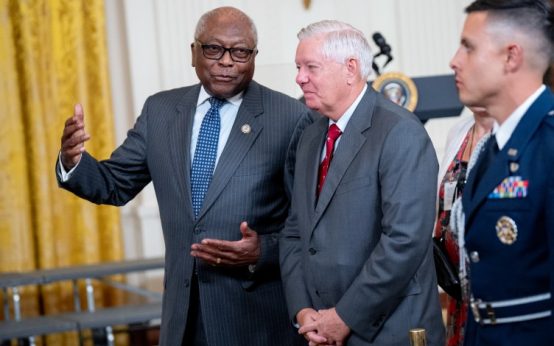 Hawaiian Naval Firm’s Campaign Contributions and Federal Contracts in South Carolina
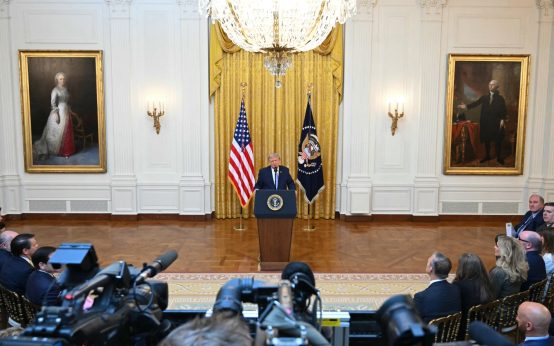 Election Security Challenges Under Trump’s Second Term
 Challenges Facing Mayor Brandon Johnson’s Re-election Bid
 Federal Crackdown on Alleged Noncitizen Voter Fraud in California