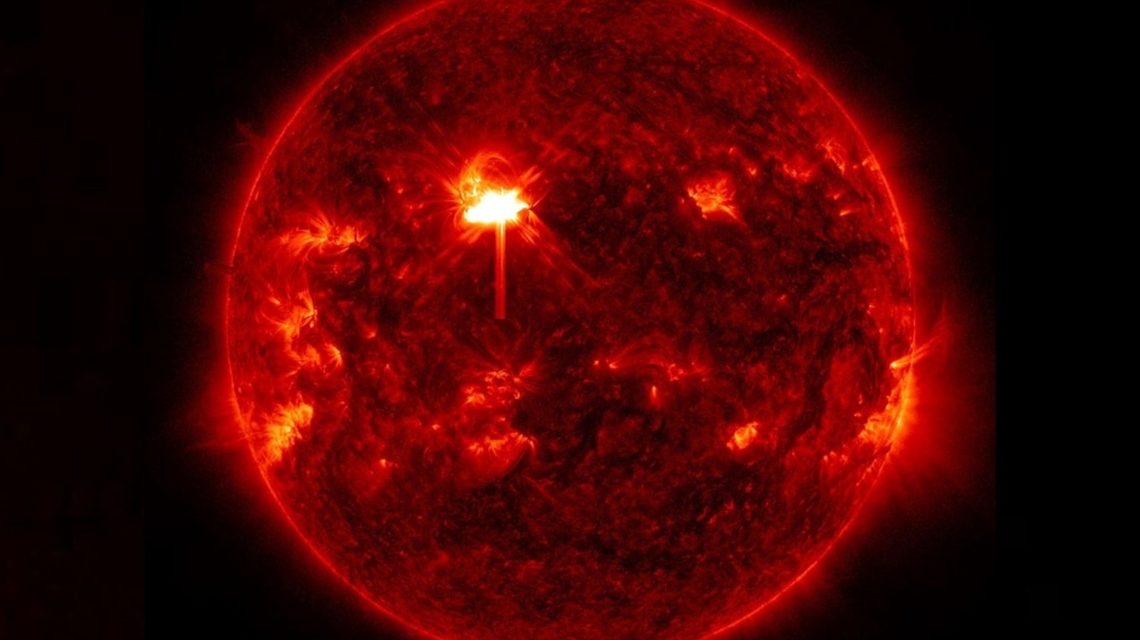
The captivating displays of the Northern lights, scientifically known as auroras, occur when solar flares from the sun interact with Earth’s atmosphere. Recently, space-weather experts have been vigilant due to several solar flares emitted by the sun, posing possible disruptions to satellite technology and igniting potential northern light spectacles.
Over the weekend, NASA documented three potent solar flares on Sunday at times 7:33 a.m., 6:37 p.m., and 7:36 p.m. Eastern Time (ET). Another flare was recorded on Monday at 3:14 a.m. ET. These solar flares are characterized as significant bursts of electromagnetic radiation, and according to the National Oceanic and Atmospheric Administration’s Space Weather Prediction Center, they can last from just minutes to a few hours. These occurrences often happen in the sun’s active regions, marked by powerful magnetic fields usually associated with sunspots.
The NASA Solar Dynamics Observatory captured images of these solar events. The flares appeared as bright flashes in the sun’s upper section, particularly noticeable in extreme ultraviolet light, with hot materials appearing in a red hue. NASA’s reports classed all the recent solar flares as ‘X-class,’ denoting them as the most intense type of solar flares.
In particular, the second flare on Sunday was classified as an X8.1 level, marking it the strongest solar flare seen in recent years. The rapid travel of electromagnetic energy at light speed can potentially disrupt high-frequency communication over the sunlit side of Earth. This can lead to signal loss or significant communication troubles in affected areas for several minutes to a couple of hours.
Solar flares like these are often harbingers of Coronal Mass Ejections (CME), which involve the sun’s outer atmosphere ejecting vast amounts of solar material and magnetic fields.
Furthermore, the phenomenon of the northern lights manifests when these energetic solar flares contact Earth’s atmosphere, interacting with its atoms and molecules. This interaction causes the atmospheric particles to emit light, resulting in the stunning display of a colorful sky. The visibility of these auroras depends greatly on the CME’s arrival, its magnetic orientation, and local weather conditions like cloud cover.
Since October 2024, when the sun’s magnetic field entered its solar maximum phase of its 11-year cycle, researchers have observed a continued emission of strong solar flares and geomagnetic storms. This solar maximum phase contributes to the frequent appearance of northern lights. According to NOAA, intense solar activity due to sunspots is predicted to persist through 2026.
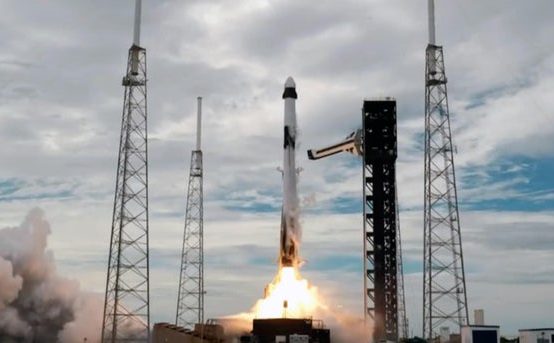 SpaceX Crew 13 Launches to the ISS with International Team
  Why Animal Scavengers Protect Your Health
  Gene Editing and Ethical Debates at Origin Genomics
  The Endangered American Red Wolf: A Conservation Story
 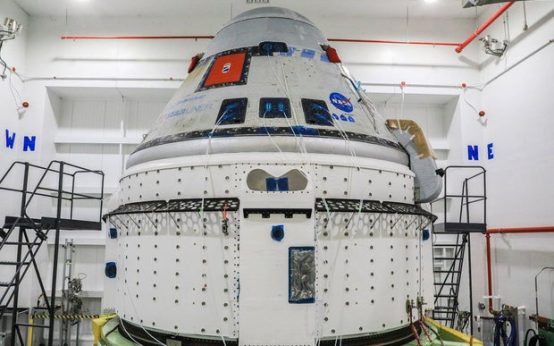 NASA and Boeing Collaborate for Starliner Upgrades
 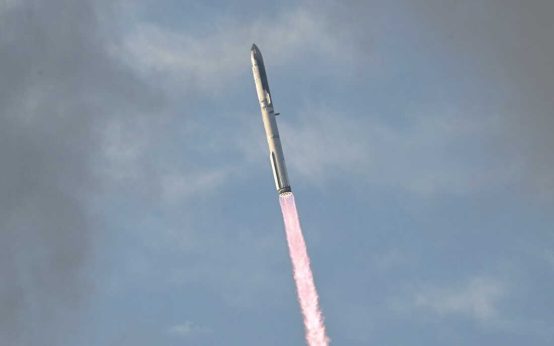 SpaceX Starship Completes Orbital Test Flight and Satellite Deployment