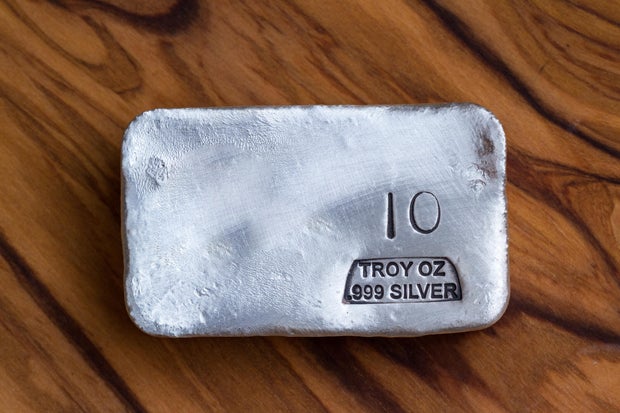
The price of 10-ounce silver bars in the market today is influenced by a variety of factors, with the spot price being just one of them. Recently, the precious metals market has experienced significant fluctuations, with the price of silver soaring above $100 per ounce late last January before moderating. Despite these shifts, silver remains significantly more valuable than it was a year ago. Likewise, gold prices have seen substantial increases, briefly exceeding $5,000 per ounce before slightly retreating. Both metals have shown impressive gains compared to the previous year.
Several factors are causing volatility in the precious metals market. Economic uncertainty resulting from changing policies, fears about currency devaluation, geopolitical tensions, and speculative buying contribute to the current price dynamics. Silver’s role as both an industrial and safe-haven asset makes it uniquely volatile, but it also offers substantial potential rewards for strategic investors. For those considering investing in silver, especially larger bars that attract lower premiums but remain liquid, understanding what constitutes reasonable pricing is crucial.
The question many investors are asking is: ‘How much should I pay for a 10-ounce silver bar now?’
As of February 4, 2026, silver is trading at a spot price of $91.72 per ounce. This works out to about $917.20 for a 10-ounce silver bar if you’re basing it solely on the spot price. However, this isn’t the final price you’d pay when acquiring a physical silver bar. It’s essential to account for dealer premiums and other related costs.
What Affects the Cost of a 10-Ounce Silver Bar?
Dealer premiums can range from 10% to 30% over the spot price for silver purchases, influenced by market conditions and dealer inventory. However, 10-ounce bars typically come with lower premiums. This is partly due to manufacturing costs involved in refining, casting, and certifying the silver bars.
The dealer’s reputation also matters, as recognized mints tend to charge more due to their assurance of quality and resale market value. Demand fluctuations in the market can heavily influence prices, as economic uncertainty typically causes premiums to rise when buyers increase and inventories dwindle.
Where you choose to purchase silver bars affects cost as well. Local coin shops often charge more than online dealers, but they avoid additional shipping and insurance fees. The payment method is important, too, since dealers might add a 3% to 4% surcharge for credit card payments to cover processing fees. Opting for a bank wire, check, or cryptocurrency can reduce costs, and some dealers offer discounts for bulk purchases.
Why Consider Silver Bars in Your Investment Portfolio?
Silver holds certain advantages that make it attractive amid current economic conditions. Unlike gold, silver has significant industrial applications, such as in solar panels, electronics, and medical devices, which provide a base level of demand that supports price stability even when investment demand is low.
The 10-ounce silver bar size is ideal for many investors, balancing lower per-ounce premiums while remaining manageable enough for easy liquidity. Smaller bars and coins have higher premiums, and larger bars, like 100-ounce options, can be more challenging to sell quickly due to their size and limited buyer pool.
Adding silver to a portfolio also enhances diversification, providing a hedge against stock market fluctuations and inflation concerns. Though silver is more volatile than gold, offering dramatic price movements in downturns and upturns, its potential upside can be significant for investors with suitable risk tolerance.
Conclusion
In today’s market, factors such as industrial demand, potential portfolio diversification, and manageable prices make 10-ounce silver bars a sound choice for investors looking to incorporate physical precious metals into their holdings. However, silver’s spot price is merely one aspect of the overall cost in this market. Due diligence is key when investing in silver bars. Prioritize reputable dealers with clear pricing, compare multiple sources, and consider your payment method to ensure you are not incurring unnecessary expenses.
 Stocks Rise as Job Cuts Affect Market Outlook
  Consider a 3-Year CD for Your $10,000 Investment
  U.S. Stock Market Rallies Amid Rising Corporate Profits and Easing Oil Prices
  Benefits of a 2-Year CD for Savers
  Kospi Index Sees Unprecedented Surge Amid AI Stock Rebound
  Rise in U.S. Unemployment Benefit Applications Despite Low Layoffs