You made me promises. Promises. Knowing I’d believe. Promises. Promises. I knew you’d never keep.
— Naked Eyes, Promises, Promises
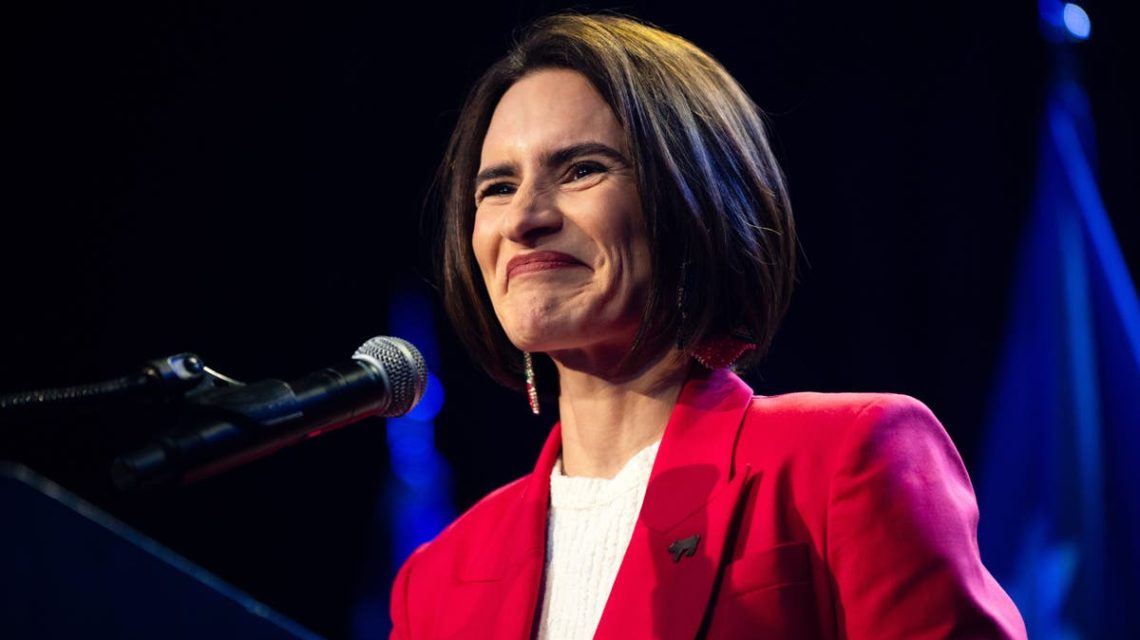
Lt. Gov. Peggy Flanagan, the Democratic nominee for Senate in Minnesota, voiced her support for Medicare-for-all. She expressed her determination to work alongside Sen. Bernie Sanders to advocate for major changes in the U.S. Senate.
Progressive candidates have embraced initiatives such as Medicare-for-all, the abolition of ICE, the Green New Deal, an arms embargo for Israel, and a $25 per hour minimum wage. Flanagan faces Michelle Tafoya in the Senate race, aiming to succeed retiring Sen. Tina Smith. Although favored, her victory is not assured.
Democratic Socialist hopefuls like Donavan McKinney, Chris Rabb, Melat Kiros, Claire Valdez, and Darializa Avila Chevalier represent areas where progressive ideas hold sway. The progressive agenda is a focal point for 2026 midterm elections, with candidates focused on significant policy shifts if Democrats capture either congressional chamber.
Meet the insurgents challenging the Democratic establishment in the 2026 midterms.
Democratic victories in battleground districts like Dutchess County, New York, and Wooster, Ohio are crucial. Yet, moderates such as Cait Conley and Brian Poindexter carry the weight of securing majority-making positions, which could hinder sweeping progressive policies.
Overcoming filibusters requires 60 votes in the Senate, making it unlikely for extreme measures to pass without considerable compromise. Even with potential majorities, implementing policies may face opposition from President Trump.
The notion of campaigning in poetry but governing in prose is exemplified by the difficulty of enacting progressive promises. Historical efforts, such as the Republican’s 1994 Contract With America, show that transformative promises often face legislative hurdles.
Democratic discussions under House Minority Leader Hakeem Jeffries involve securing legislative commitments from socialist-backed candidates. Although infighting might arise, advancing controversial initiatives like Medicare-for-all could stall without widespread support.
Jeffries, seeking to balance between progressives and moderates, has not backed Medicare-for-all. Instead, he prioritizes addressing the broken healthcare system incrementally.
Jeffries might redirect focus to investigations of Trump’s administration, a strategy that resonates across the Democratic base and potentially aligns various factions.
While achieving goals like a $25 minimum wage or abolishing ICE remains challenging, Democrats might score victories through probing the Trump administration, uniting the base around common accountability demands.
Progressive aspirations face tangible political realities as Democrats maneuver within a complex legislative environment.
 Pelosi’s Influence in San Francisco’s Political Transition
 Expenditure on Surveillance Amid Controversy Over Lincoln Memorial Damage
 Roger Marshall’s Quest for a Second Senate Term and His Personal Journey
 Republican Nomination Market Shifts for 2028
 Democrats Focus Senate Race on Trump and Collins
 Trump Praises Senator Jon Husted’s Physique at North Carolina Rally