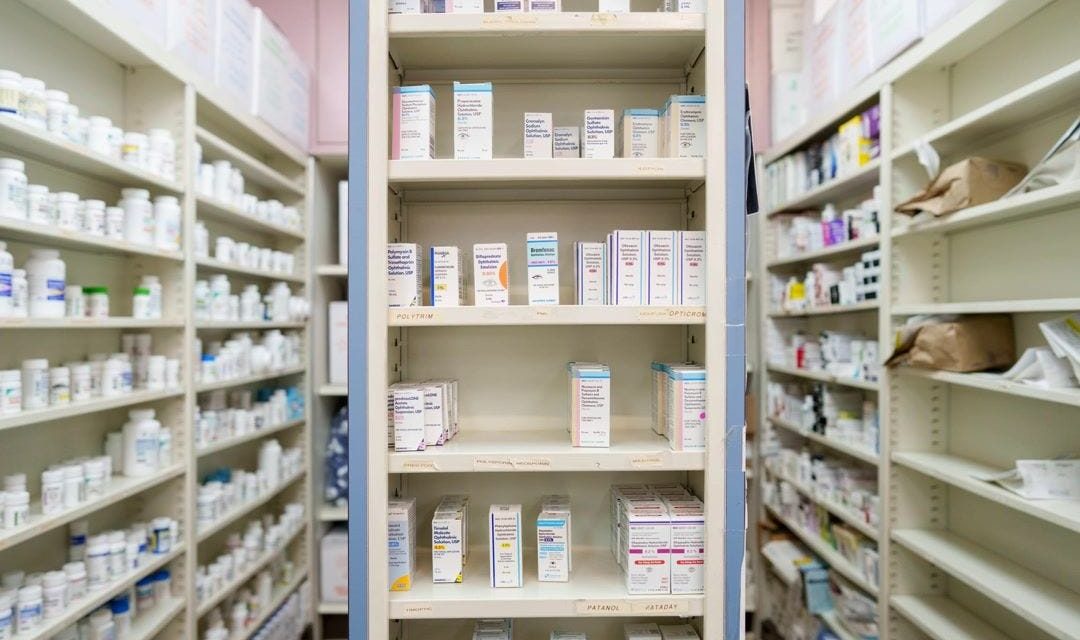
A recent recall affecting compounded GLP-1 injections by a pharmacy previously cautioned by the Food and Drug Administration (FDA) has been issued nationwide. Apothecary Pharma LLC initiated the voluntary recall of tirzepatide injections on September 24 due to concerns about sterility, as noted in an FDA alert. The recall was upgraded to a ‘Class II’ status on October 10, meaning it could result in reversible health outcomes. However, the risk of serious harm remains minimal.
Background on Compounded Injections
The injections under recall are compounded versions of GLP-1, custom-formulated by compounding pharmacies. As such, these medications are not brand name or FDA-approved. Past incidents, like the 2012 fungal meningitis outbreak linked to unsanitary practices at the New England Compounding Center, have highlighted the risks associated with compound formulations.
Ongoing FDA Focus
The FDA has maintained vigilance over compounded GLP-1 medications since the removal of tirzepatide and semaglutide from the drug shortage list by 2024 and early 2025. Although compounding pharmacies were urged to halt production, many continued to produce these formulations. This prompted the FDA to issue warnings and pursue legal actions. In December 2025, Apothecary Pharma was issued a warning letter citing production deficiencies impacting product sterility.
Recall Specifics
A total of 22 vials of tirzepatide have been recalled nationwide:
- Lot AP-202622, BUD 07-Oct-2026
- Lot AP-202623, BUD 08-Oct-2026
- Lot AP-202624, BUD 19-Oct-2026
- Lot AP-202625, BUD 10/20/2026
- Lot AP-202627, BUD 10/26/2026
- Lot AP-202628, BUD 10/27/2026
- Lot AP-202629, BUD 10/28/2026
- Lot AP-202630, BUD 10/31/2026
- Lot AP-202631, BUD 11/01/2026
- Lot AP-202632, BUD 11/03/2026
- Lot AP-202633, BUD 11/07/2026
- Lot AP-202634, BUD 11/08/2026
- Lot AP-202635, BUD 11/16/2026
- Lot AP-202636, BUD 11/17/2026
- Lot AP-202637,BUD 11/18/2026
- Lot AP-202638, BUD 11/19/2026
- Lot AP-202639, BUD 11/20/2026
- Lot AP-202640, BUD 11/21/2026
- Lot AP-202641, BUD 11/22/2026
- Lot AP-202642, BUD 11/24/2026
- Lot AP-202643, BUD 11/25/2026
- Lot AP-202644, BUD 11/26/2026
Customer Guidance
The FDA and Apothecary Pharma have not released specific instructions regarding affected vials. Customers have reported receiving guidance from prescribers to return or dispose of them. If possessing an affected lot, avoid using it and contact your prescriber for advice.
Compounding Pharmacies Explained
Compounding pharmacies create customized drug versions to meet individual patient needs. Unlike commercial pharmacies selling pre-made medications, compounding pharmacies can adjust doses or remove allergens. They are especially useful in pediatric and veterinary cases requiring specific formulations.
During drug shortages, the FDA allows these pharmacies to produce necessary medications. This occurred in 2022 when the FDA permitted compounders to produce GLP-1 medications due to a shortage. Although the shortage has ended, many pharmacies continue producing GLP-1 medications, including via telehealth platforms.
Safety Concerns and Regulation
While required to use FDA-approved ingredients, compounded formulations are not routinely assessed for safety or effectiveness, nor are they subjected to regular FDA oversight. This has led to sanitation issues, prompting lawsuits from pharmaceutical companies aiming to restrict the practice.
To determine if your compounding pharmacy is credible, consult the Alliance for Pharmacy Compounding website and discuss with your doctor.
 Susie Wiles Discusses Her Recovery from Breast Cancer
 Tofu Tops Protein Source Rankings: A Comprehensive Analysis
 Ensuring Lasting Smiles Act: A Necessary Step for Healthcare Reform
 Americans’ Confidence in Federal Food Safety Drops to Record Low
 Flu Season Hits Early: Importance of Timely Vaccination
 Exploring the Potential of GLP-1 Drugs Beyond Weight Loss