
Sophie Cunningham, a professional basketball player, drew attention not by seeking it but through her actions on and off the court. Her reputation became a topic of debate when Candace Buckner from The Athletic suggested that the Indiana Fever part ways with Cunningham. The reason cited was her being ‘too combustible’ and having ‘too turbulent’ opinions to associate with Caitlin Clark.
However, examining Cunningham’s actions presents a different picture. She gained fame standing up for a teammate during a rough game, which resonated with fans. Her social media presence soared rapidly, and her jersey became highly demanded after the incident.
Her interaction with the media led to further discussions. Cunningham voiced her support for women’s sports, expressing a desire to protect female spaces while extending love and rejecting the notion of transphobia. This stance sparked protests and counterprotests surrounding Indiana Fever games, placing her at the center of a broader cultural debate.
Cunningham’s words attracted both praise and criticism, turning into a flashpoint in the ongoing discourse on athletes’ roles in social issues. While some applauded her willingness to speak out, others used her statements as part of their cultural arguments. This broader reaction turned Cunningham into a symbol, which Buckner scrutinized in her column.
Critics argue that blaming Cunningham for ensuing controversies ignores the fact that outside forces amplified the situation. The discussions about athletes speaking out are complex, and the case of Cunningham highlights a double standard. The wider society often encourages athletes to speak freely, yet it’s quick to criticize when opinions clash with prevailing beliefs.
Cunningham finds herself at the nexus of these debates, not as a provocateur but because society projected its conflicts onto her. The question of whether her presence harms the Indiana Fever lacks specific evidence. Buckner’s argument relies on external reactions rather than internal team dynamics, underscoring a potential bias within sports media.
This situation urges a deeper reflection on societal attitudes. It challenges the narrative that public opinion alone should influence an athlete’s career prospects. Sophie Cunningham’s story is less about her and more about the cultural discourse unfolding around her. As an athlete playing her game, supporting peers, and engaging fans, Cunningham remains part of the game. The society around her, however, turns her story into a battleground of ideals.
As this narrative unfolds, the broader lesson might be about the culture. Perhaps it’s time to reexamine the role society plays in magnifying personal beliefs into public conflicts.
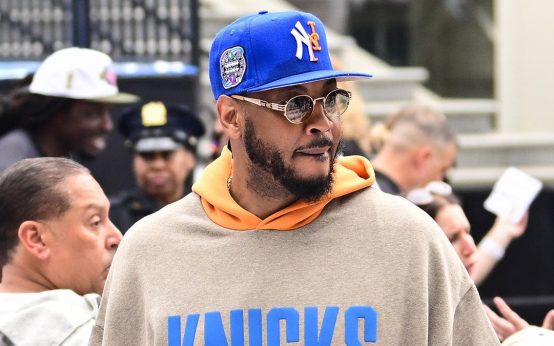 Carmelo Anthony’s Excitement for Knicks Title Celebration and DraftKings Partnership
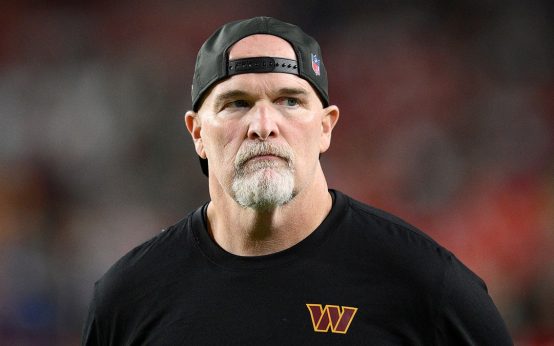 Dan Quinn Faces Criticism Over Down Management
 Elon Musk: The Fifth Musketeer in Modern Geopolitics
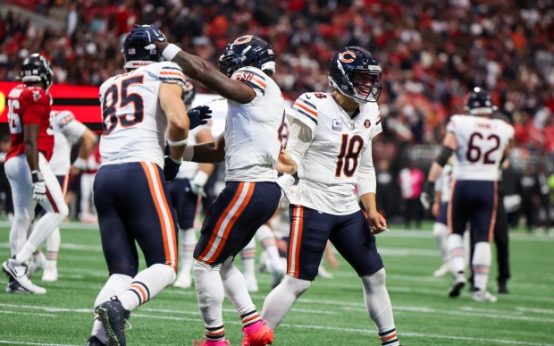 Chicago Bears Triumph Over Atlanta Falcons
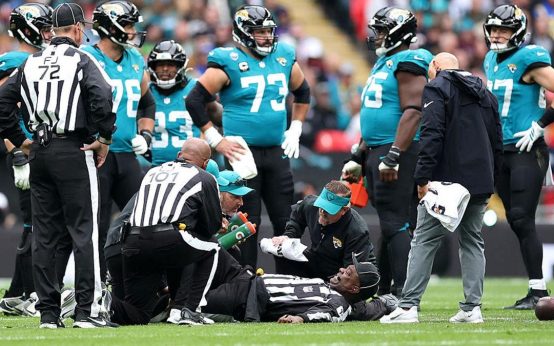 Human Touch on the Gridiron: Empathy Amidst NFL Criticisms
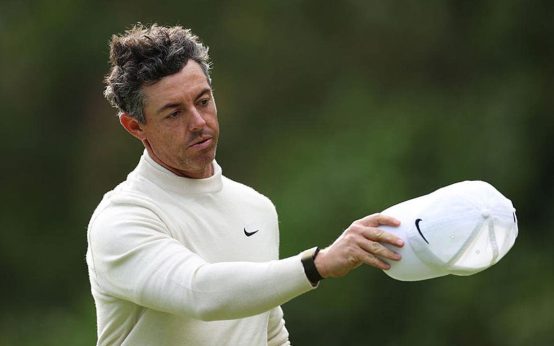 Kevin Kisner Criticizes Rory McIlroy’s Intentions in India Golf Event