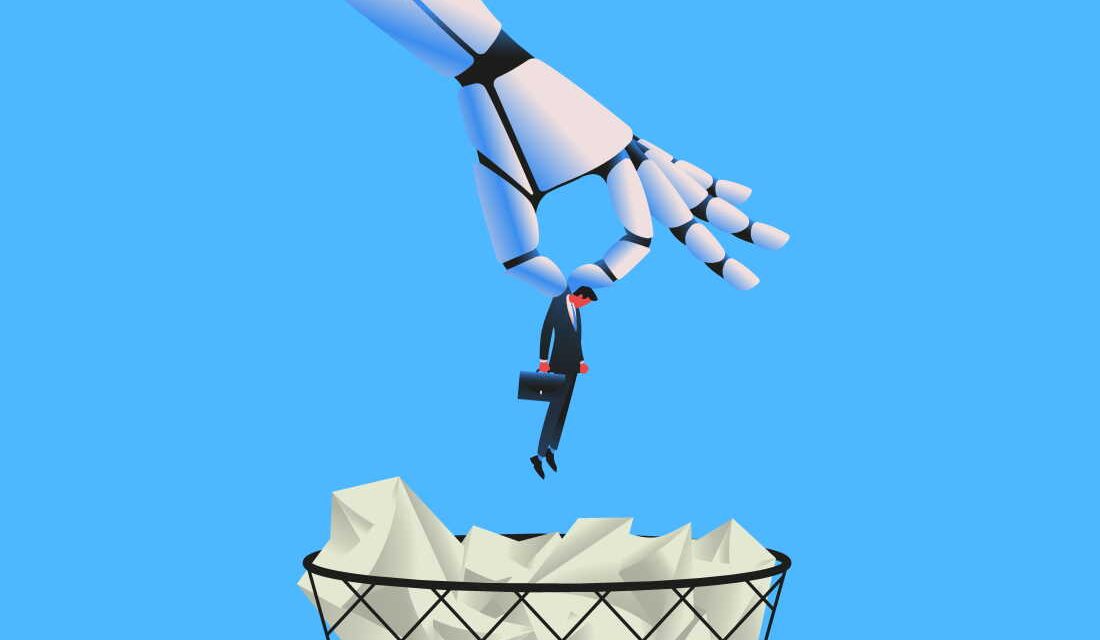
The potential impact of AI on the economy is increasingly discussed, especially in relation to possible financial bubbles and recessions. Concerns over an AI-induced recession, and the subsequent rapid replacement of workers with AI, are gaining traction. While AI’s transformative power remains uncertain, there are reasons to consider these scenarios seriously.
Historical Patterns of Financial Bubbles
Economist Charles Kindleberger’s work outlines the recurring nature of economic bubbles. Often initiated by revolutionary technology, these bubbles inflate as investors grow excessively optimistic about the new technology’s potential. Large amounts of debt are accrued during boom times, heightening the risk. When the bubble bursts, the debts persist, potentially spiraling into a financial crisis.
The history of the railroad expansion serves as an example. It led to significant economic upheaval, including ‘The Panic of 1873.’ This period saw substantial social and political consequences, such as immigration crackdowns and populist movements.
Currently, AI is significantly influencing the U.S. stock market. Research by J.P. Morgan attributes most recent stock gains to AI-related companies. These companies are also incurring considerable debt to fund infrastructure, raising questions about the sustainability of their financial strategies.
Recession and the Rise of Automation
Some economic studies suggest that recessions often accelerate the adoption of new technologies. As businesses look to reduce costs during downturns, automation becomes more appealing. Historically, most job losses in areas vulnerable to automation have occurred during or near recessions.
Economists Nir Jaimovich and Henry Siu found that between 1990 and 2017, the majority of job losses in certain sectors happened around recessions. Increased competition among AI firms might reduce prices, making AI an affordable option for businesses aiming to reduce labor costs.
Facing the AI Transition
The future impact of AI remains unclear. A financial downturn could limit investment in AI, yet AI could also enhance productivity rather than replace workers entirely. Policymakers are considering strategies to mitigate the effects of job displacement. Proposals include enhancing unemployment insurance or taxing AI systems to fund social safety nets.
Marketplace figures like Bill Gates suggest taxing AI and robotics, potentially making human labor more cost-effective while providing government funds to strengthen support systems.
Despite these solutions, the potential for significant economic shifts due to AI warrants vigilance and attention. Engaging in further discussions and creating policies is crucial to address the challenges and opportunities AI presents.
Upcoming AI and Workforce Discussion
For those interested, a virtual event discussing AI’s impact on employment will feature experts like MIT’s Daron Acemoglu and Duke’s Ronnie Chatterji. This discussion aims to provide insights into how AI could affect job markets and economies. NPR+ supporters are encouraged to participate for an in-depth understanding of ongoing developments.
 The Impact of Recent Lawsuits on Social Media in 2026
 Elon Musk: The Fifth Musketeer in Modern Geopolitics
 The Impact of AI and Social Media on Youth: A Call for Responsible Innovation
 The Impact of AI on Writers and Publishing
 Potential Scenarios of AI Dominance in the World
 Organize Photos on Your Smartphone with Ease