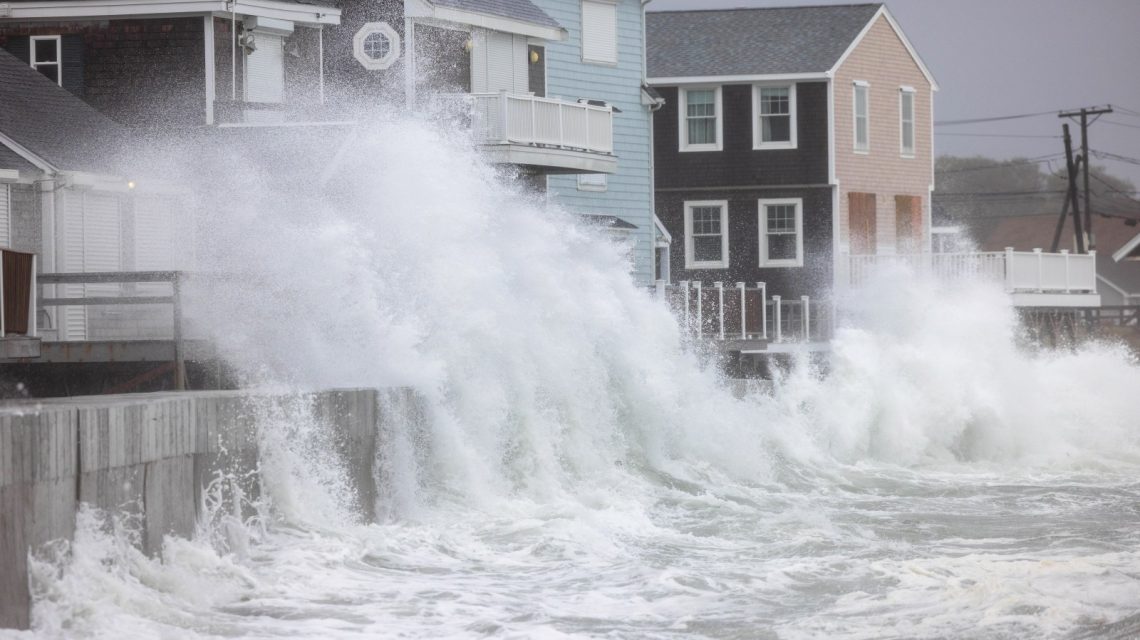
A new nor’easter is developing in the Atlantic, prompting meteorologists to issue warnings about potential widespread impacts on parts of the U.S. in the coming months. This storm follows a similar event in late September that affected the East Coast with strong winds and heavy rain.
Increased Nor’easter Activity Amid El Niño
The Atlantic hurricane season has been quieter than usual this year, largely due to the strengthening El Niño in the Pacific Ocean. El Niño affects the atmosphere by increasing wind shear, which can weaken hurricanes. Yet, it might lead to more nor’easters by strengthening the southern jet stream, according to a meteorologist from the National Weather Service (NWS) Weather Prediction Center. These effects generally peak during winter, so it’s unclear if El Niño is influencing the current storm.
“The U.S. could see more nor’easters than tropical storms before the hurricane season ends on November 30,” said AccuWeather senior meteorologist Carl Erickson.
Current Hurricane Season Overview
The Atlantic hurricane season, lasting from June 1 to November 30, has seen nine named storms so far, with only one hurricane, Hurricane Isaias, making landfall in Florida on October 9. Typically, the season averages 14 named storms, with seven becoming hurricanes, according to the National Hurricane Center (NHC).
Nor’easter Evacuations and Warnings
Due to the developing storm, officials have issued warnings, including a state of emergency for Hatteras Island, North Carolina. Visitors were ordered to evacuate, fearing that the storm might render Highway 12 impassable. This concern highlights the storm’s potential to severely impact the region, with wind gusts possibly reaching 60 mph, particularly in southeastern Virginia and North Carolina’s Outer Banks.
“The greatest concern is the prolonged coastal impacts,” Erickson added. Persistent onshore winds might lead to coastal flooding, beach erosion, and road closures.
Potential Subtropical Development
The NHC warned that the storm might take on subtropical characteristics. A strong, non-tropical low-pressure area could form off the U.S. East Coast, causing high winds, coastal flooding, and dangerous surf.
Understanding a Nor’easter
A nor’easter is a storm along North America’s East Coast, characterized by northeastern winds over coastal areas. These storms can bring heavy rain, snow, and gale-force winds, especially between September and April, according to the NWS.
Nor’easter vs. Hurricane: Key Differences
Nor’easters derive their name from the typical wind direction. While hurricanes form over warm tropical waters and include distinct eyes and eyewalls, nor’easters form due to atmospheric temperature contrasts. Despite differing formations, both storms can cause severe impacts, including strong winds and flooding.
Next Steps and Ongoing Monitoring
Meteorologists continue to track the nor’easter. AccuWeather predicts the storm will develop over the weekend and intensify next week, with strong coastal winds from North Carolina to New Jersey. Coastal flooding and beach erosion may persist through Thursday. Residents in affected areas should stay updated with local weather alerts.
El Niño is expected to remain strong through early 2027, likely influencing U.S. weather patterns during fall and winter, as stated by the NWS Climate Prediction Center.
 Controversy Surrounds Kristi Noem’s Latest Social Media Post Amid End of Special Envoy Role
  Fatal Incident on Soccer Field in Wichita
  Indiana University Honors Military Connections with Traditions and Memorials
  Malibu Residents Confront Fire Challenges with Community Spirit and Resilience
  Rapidly Spreading Fire Burns in Malibu
  Barn Owl Family Surprises Manhattan with Rare Nesting