Historic Sites at Risk
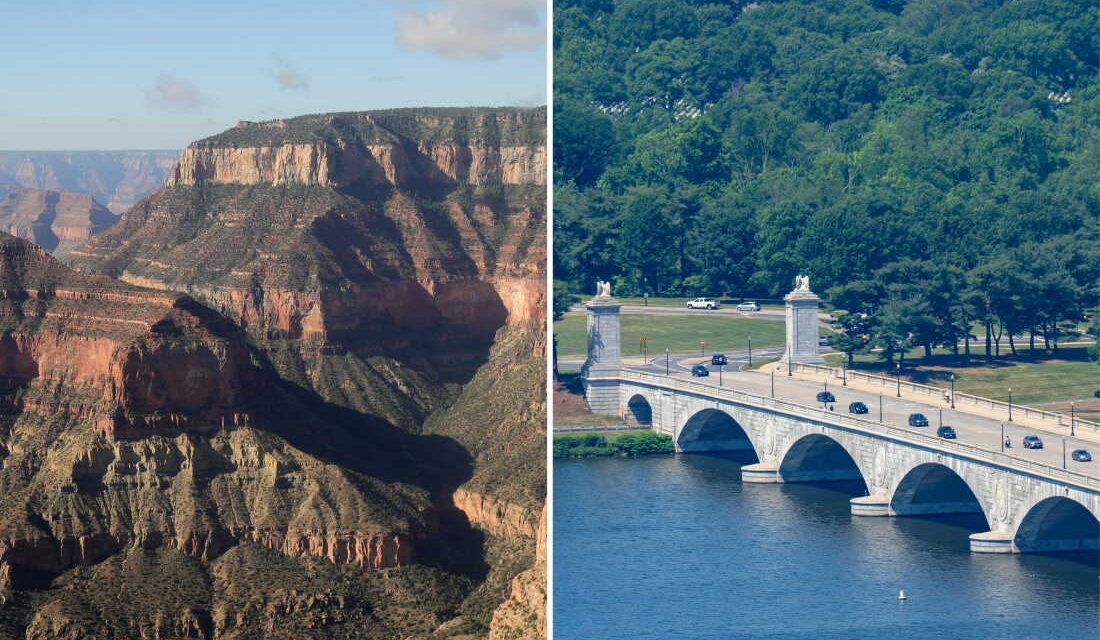
Advocates of historic preservation express concern over proposed changes that threaten sites like the Grand Canyon and Arlington Memorial Bridge, places where President Trump plans new developments, including a 250-foot arch.
It has been 60 years since President Lyndon B. Johnson signed the National Historic Preservation Act (NHPA), accompanied by other conservation measures. Johnson highlighted the significance of returning portions of the country to its people during the bill signing on October 15, 1966.
Recently, however, preservation advocates believe public power is being stripped away. Brent Leggs, CEO of the National Trust for Historic Preservation, criticized the government’s efforts over the past year and a half to divest this responsibility.
The Impact of Section 106 Review
Originally, NHPA created systems to identify and protect historic sites, adding over 100,000 landmarks to the National Register of Historic Places. Federal agencies are required to conduct Section 106 reviews with states, tribes, and stakeholders before undertaking projects that might harm these sites.
Elihu Rubin, a Yale professor, emphasizes that Section 106 is crucial to enforcing NHPA. Section 106 ensures federal projects that threaten historic sites only proceed after impact mitigation attempts.
Section 106 has a history of safeguarding historic structures from destruction and has halted developments on archaeological sites. While it doesn’t prevent project initiation, participating entities gain valuable insights from the process.
Weakening Regulations
The process faces significant threats. A federal council dominated by Trump appointees voted to weaken Section 106 regulations, while a Senate bill seeks to streamline reviews, enhancing infrastructure and energy projects while narrowing the review process.
Greg Werkheiser, leading the coalition to protect Section 106, argues that these changes undermine NHPA’s meaning and protections nationwide. The coalition’s “Section 106 Strong” initiative includes over 1,000 organizations, mobilizing nine million Americans.
Preservation versus Development
Historic preservation laws emerged from the destruction seen during the Great Depression and post-World War II urban renewal. Federal projects displaced communities and destroyed landmarks like New York City’s original Penn Station.
Werkheiser explains the need for federal provisions amidst quick-paced construction to ensure historic resources are identified and acknowledged.
Challenges for Native Tribes
Initially, NHPA enabled state offices to administer national preservation programs without Native American involvement. By 1992, amendments granted Tribal Nations participation. However, proposed changes threaten this representation.
Valerie Grussing of NATHPO warns that regulatory and statutory revisions would regress tribal representation to pre-1966 levels.
Swift Legislative Changes
Despite not significantly delaying projects, Section 106 provides visibility into federal construction. National Trust for Historic Preservation reports an average review duration of 16 days with 98% concluding without adverse effects.
Chris Cody, National Trust’s associate general counsel, relays that his team handles frequent local jurisdiction inquiries while contesting federal cases.
Contentious Developments
Legal challenges have arisen against Trump’s controversial renovations, such as White House ballroom construction, with the Supreme Court dismissing a National Trust lawsuit due to lack of standing.
Amid these tensions, the National Trust launched a fund to protect historic sites under threat. Some believe preservation efforts face existential challenges nationwide.
November’s Legislative Agenda
The Trust held a summit in September, discussing defense fund initiatives at Washington National Cathedral. Upcoming legislative changes could alter Section 106 significantly.
The Senate’s proposed bill allegedly supports cheaper energy, jobs, and growth, potentially narrowing tribal and public input. Historic advocates argue it could restrict legal remedies for violations.
NATHPO’s director warned senators against bill provisions restricting tribal sovereignty. Advocacy groups urge better consultation and framework development, focusing on sustainability.
National Trust staff meetings with Senate anticipated court outcomes regarding vagueness in bill definitions.
The bill faces criticism for creating conflict rather than efficiency, excluding early expert consultation, and raising the potential for litigation.
Werkheiser encourages continued effort to protect historic preservation. He emphasizes the importance of maintaining the ability to remember shared history while navigating political differences about the future.
 Democratic Incumbent and Republican Newcomer Vie for Lake County Clerk Position
  Senators Receive Suspicious Mail Amid Nationwide Investigation
  Trump Accuses Michigan Senate Candidate Abdul El-Sayed of Muslim Brotherhood Ties
  Members of Congress Invest in AI while Regulation Lags
  The Limitations of Opinion Polls in Elections