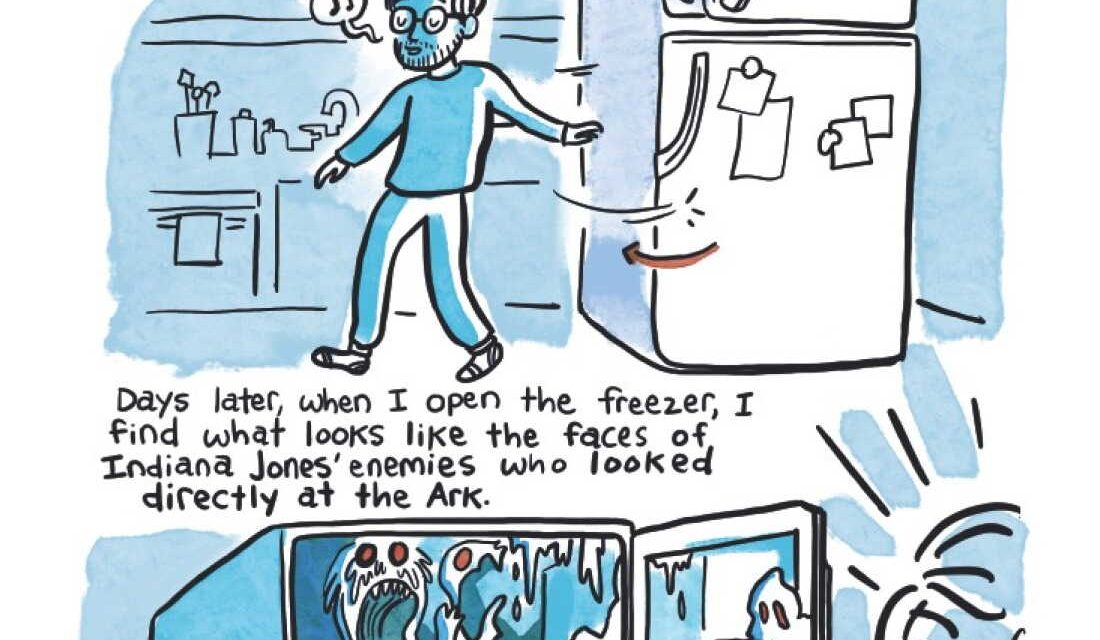
In a city bustling with diverse food options, two ‘New Yorker’ cartoonists offer a fresh perspective on city life through their latest graphic book The Two Saddest Kitchens. Both Roz Chast and Jason Adam Katzenstein bring to light the humorous side of cooking apathy and kitchen shortcomings in urban settings.
The book is a collaborative effort reflecting Chast’s and Katzenstein’s experiences with their own apartment kitchens. These spaces, marked by a lack of enthusiasm for cooking, become the setting for a ‘comics conversation’ delving into feelings of fear and shame. Chast also humorously reflects these emotions in her Connecticut home.
Ruth Reichl, the esteemed food writer and chef, has endorsed the book, noting its ability to evoke laughter. Her support underscores that even those passionate about cooking might find value in humorously acknowledging the culinary challenges some face.
The book features amusing elements like a speculative background for ‘Mr. Clean’ and his fictional counterpart, ‘Mr. Clean Enough.’ It also comically explores parts of the kitchen that are often neglected, such as the cabinets above the refrigerator, stocked with forgotten items like ‘straws from 2004’ and ‘forgotten marshmallows.’
Katzenstein’s cartoons add another layer of humor. His depiction of a refrigerator shelf laden with tiny take-out containers spotlights the delusions one might have about leftovers. The imagined narrative pokes fun at the belief that leftovers are destined to be eaten the next day, with a container proclaiming, ‘He’s coming back for me tomorrow.’
Avid fans of Chast’s work will recognize her trademark style. Her previous memoir, Can’t We Talk About Something More Pleasant?, introduced many to her unique approach to storytelling. In The Two Saddest Kitchens, Chast shares anecdotes about her upbringing, such as her mother’s insistence on eggs as ‘brain food,’ which left her with a lifelong aversion to certain textures.
Beyond the confines of the kitchen, Chast and Katzenstein explore their views on city living. They express concerns about New York’s role in nurturing a perpetual state of youth, with its vast array of take-out options. This environment, according to Katzenstein, often leads to avoiding cooking altogether.
Readers looking for a blend of humor and relatability may find The Two Saddest Kitchens gives voice to a common struggle — the tension between culinary ambition and everyday practicality. As Chast and Katzenstein continue to create works filled with unique observations and humor, one might be encouraged to embrace takeout, as long as it leads to more entertaining and authentic storytelling.
 Ethan Hawke on Challenges in Hollywood
  White House Responds to Natalie Maines’ Comments on Trump
  Ella Langley on her sophomore album ‘Dandelion’
  Kennedy Center Appoints New Artistic Director Amid Operational Changes
  Kelly Clarkson’s Dispute with Brooklyn Shop Sparks Controversy
  The Big Weekend Show Discusses Trump’s NBA GOAT Choice